Hey there, amazing cat parents! We all absolutely adore those heartwarming purrs and the gentle head nudges from our furry overlords, don’t we? But let’s be real for a moment: how often do we truly peek into their precious little mouths and consider their dental health?
From my own experience sharing my home with these wonderful creatures, I’ve learned firsthand that cat dental care is one of those incredibly vital aspects of pet ownership that often gets overlooked until a noticeable issue crops up.
It’s so easy to just assume everything is fine, but just like us, our feline companions need consistent attention to keep those canines and molars in tip-top shape.
Skipping out on proper dental hygiene can unfortunately pave the way for a whole host of uncomfortable problems, affecting everything from their favorite meals to their overall well-being and happiness.
The fantastic news is that staying ahead of potential issues is far simpler than you might imagine, and with a few straightforward tips, you can genuinely ensure your kitty maintains a healthy, sparkling smile for years to come, a topic that’s thankfully seeing more and more attention from veterinarians and pet lovers alike.
Let’s explore this thoroughly so our beloved companions can live their healthiest, happiest lives!
Unmasking the Silent Sufferer: Spotting Dental Distress in Your Feline Friend
It’s a heart-wrenching thought, but our beloved cats are masters of hiding pain. This means dental issues can often fester silently, becoming quite serious before we even notice.
I’ve seen it myself with a foster cat I once had, a sweet ginger boy named Leo. He was still eating, still purring, but he seemed a little less playful.
It wasn’t until his annual check-up that the vet pointed out some significant gingivitis and a few sore-looking teeth. It truly opened my eyes to how subtle the signs can be, and ever since, I’ve become a super sleuth when it comes to my own kitties’ mouths.
Learning what to look for can make all the difference in catching problems early, saving your furry friend from unnecessary discomfort and potentially costly, extensive treatments down the line.
We can’t expect them to tell us when something hurts, so it’s up to us to be their vigilant protectors. Believe me, an ounce of prevention (or early detection!) is worth a pound of cure when it comes to those precious pearly whites.
It’s truly incredible how much information their mouths can give us if we just take a moment to look and understand what’s normal and what’s definitely not.
The Not-So-Sweet Breath Test
Honestly, the first thing that often tips people off isn’t something they see, but something they smell: really bad breath. Now, I know, cat breath isn’t usually minty fresh, but if you notice a truly foul, strong odor coming from your cat’s mouth, it’s a massive red flag.
We’re talking beyond “just ate tuna” kind of smell. This kind of persistent, pungent halitosis is almost always a sign of bacterial overgrowth from dental disease.
When I first noticed it with Leo, I thought maybe it was just a particularly smelly meal, but when it lingered for days, I knew something was off. Don’t ignore it; it’s your cat’s way of silently telling you, “Hey, something’s not right in here!” It might seem minor, but that odor is a direct byproduct of infection and inflammation, and it really warrants a closer look from a professional.
Trust your nose on this one, it’s a remarkably effective early warning system for a whole host of underlying health issues.
Behavioral Changes: More Than Just a Mood Swing
Another subtle clue often manifests in how your cat eats or behaves. Are they suddenly shying away from dry kibble, preferring only soft food? Are they chewing on one side of their mouth, or dropping food more often?
Perhaps they’re pawing at their face, drooling excessively, or showing a sudden reluctance to let you touch their head or muzzle. These aren’t just quirky new habits; they’re strong indicators of oral pain.
I remember watching my current cat, Luna, meticulously pick up a piece of kibble, only to drop it and then try again, looking a little confused. It turned out she had a tiny chip on one of her molars, making hard food uncomfortable.
Our cats are creatures of habit, and any significant deviation from their usual routine, especially around meal times or grooming, should prompt an immediate investigation.
They adapt incredibly well, sometimes *too* well, to discomfort, which makes these small changes so incredibly important to notice. It’s like a secret language they use to communicate their needs.
Your First Line of Defense: Brilliant At-Home Dental Habits
Okay, so you’ve spotted a potential issue, or maybe you’re just wisely trying to prevent one! Either way, establishing a routine for at-home dental care is absolutely crucial, and it’s much easier than many people think.
I used to dread the idea of trying to brush my cat’s teeth – picturing a wrestling match with a tiny, furry ninja. But I promise you, with patience, positive reinforcement, and the right approach, it’s completely doable.
Think of it as another bonding activity, a small investment of time that pays huge dividends in their long-term health and happiness. Starting early, even when they’re kittens, makes a monumental difference, but it’s never too late to introduce these habits.
It requires a bit of consistency, yes, but the peace of mind knowing you’re actively contributing to their well-being is truly priceless. My biggest tip?
Make it a positive experience, every single time, even if it’s just for a few seconds.
Brushing Basics: Making it a Purr-fect Routine
This is the gold standard of at-home care, truly. Brushing your cat’s teeth daily, or at least a few times a week, can significantly reduce plaque and tartar buildup.
You need a pet-specific toothbrush (finger brushes work great for beginners!) and veterinary toothpaste – *never* use human toothpaste, as it contains ingredients toxic to cats.
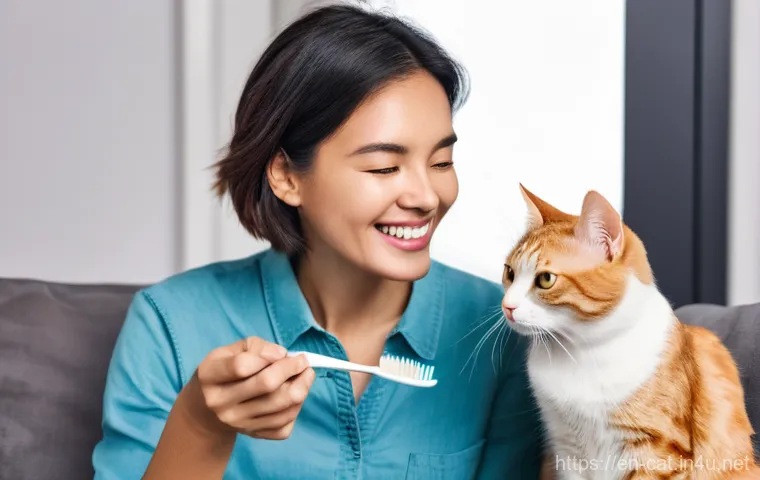
Start slowly. Let them lick the toothpaste off your finger first. Then, gently introduce the brush for a few seconds, focusing on the outside surfaces of their teeth, especially where the tooth meets the gum line.
I started with my cat, Shadow, by just touching his gums with my finger and a tiny bit of toothpaste, giving him praise and a small treat afterward. Gradually, we worked up to a quick brush.
It took a few weeks, but now he tolerates it surprisingly well! The key is short, positive sessions and lots of rewards. It really does make a massive difference in preventing those nasty dental diseases that lead to extractions.
Dental Treats and Water Additives: A Little Extra Help
While brushing is king, dental treats and water additives can be fantastic complementary tools, especially for cats who are particularly resistant to brushing.
Look for products that have a Veterinary Oral Health Council (VOHC) seal of acceptance. This seal means the product has met standards for reducing plaque and/or tartar.
I’ve tried several brands over the years, and while they aren’t a substitute for brushing, they definitely seem to help. Water additives work by releasing enzymes or antimicrobials into their drinking water to help reduce bacteria.
It’s a “set it and forget it” kind of solution, which is wonderful for busy pet parents. Just remember, these are *supplements* to a good routine, not replacements.
They’re like an extra layer of protection, giving you a little bit more confidence that you’re covering all your bases for your furry friend’s oral health.
Beyond the Brush: Exploring Professional Veterinary Dental Care
Even with the most diligent at-home care, professional veterinary dental cleanings are an absolutely essential part of your cat’s overall health plan.
Think of it like our own visits to the dentist for a deep clean; there are just some things we can’t adequately address with brushing alone. These professional cleanings involve a thorough examination, often including X-rays, and a scaling and polishing of the teeth, all performed under general anesthesia.
I know, “anesthesia” can sound scary, and I’ve certainly worried about it for my own cats. But modern veterinary anesthesia is incredibly safe, especially with pre-anesthetic blood work and monitoring, and the benefits of a clean, pain-free mouth far outweigh the minimal risks.
My vet explained to me that plaque and tartar can accumulate below the gum line, where our brushes simply can’t reach, and that’s where the most serious problems often start.
The Importance of Annual Dental Check-ups and Cleanings
Regular check-ups are key to catching potential issues before they become major problems. During these visits, your vet can assess the overall health of your cat’s mouth, look for signs of gingivitis, broken teeth, or resorptive lesions (which are quite common and very painful for cats).
If they recommend a professional cleaning, it’s not just about aesthetics. It’s about preventing pain, infection, and other systemic health issues that can stem from poor oral health.
My vet recommends cleanings every one to two years for my older cat, depending on how well his teeth are looking. It’s an investment, absolutely, but one that significantly contributes to their comfort and longevity.
When you see how much happier and more energetic they are after a cleaning, it just reinforces that it’s money well spent on their quality of life.
Understanding the Anesthesia and Procedure
I totally get it; the thought of your precious cat going under anesthesia is nerve-wracking. But it’s vital for a thorough cleaning. Cats won’t sit still for the detailed scaling and probing required, especially under the gum line where disease often lurks.
During the procedure, your vet will perform a complete oral exam, take dental X-rays to check for issues beneath the gum line (like root resorption or abscesses), thoroughly clean each tooth, and then polish them to smooth the surfaces, making it harder for plaque to adhere.
They’ll also extract any teeth that are severely diseased or damaged. When my cat Mochi had her first cleaning, I was so anxious, but the clinic walked me through all their safety protocols, from blood tests to continuous monitoring during the procedure.
Knowing they were taking every precaution made me feel so much better, and she recovered beautifully, eating much more comfortably almost immediately.
The Plate and the Pearlies: How Diet Impacts Your Cat’s Teeth
We all know the saying, “you are what you eat,” and this holds remarkably true for our feline friends’ dental health too. What you put in their food bowl can significantly influence the health of their teeth and gums.
It’s not just about avoiding “bad” foods; it’s also about strategically choosing “good” foods that can actually help clean their teeth or support overall oral hygiene.
When I started looking into this for my own cats, I realized how many misconceptions there were, particularly around dry kibble. Many assume dry food automatically cleans teeth, but that’s often not the full picture.
It’s a nuanced topic, but making informed dietary choices is a relatively easy way to support their dental well-being, complementing all the other efforts we make.
It’s truly amazing how a simple shift in diet can offer a protective layer for their oral health.
Debunking the “Kibble Cleans Teeth” Myth
This is a huge one! For a long time, I, like many others, thought that feeding dry kibble would naturally scrape plaque off my cats’ teeth, kind of like a tiny toothbrush.
But as my vet patiently explained, for most standard kibble, this isn’t really the case. Many kibble pieces are simply too small and shatter too easily to provide any significant abrasive action against the teeth.
It’s like us trying to clean our teeth with potato chips – doesn’t quite work, right? While some specialized “dental diets” are specifically formulated with larger, fibrous kibble that *is* designed to clean teeth as the cat crunches, don’t assume all dry food does the trick.
Always look for that VOHC seal if you’re relying on diet for dental benefits beyond general nutrition. This revelation totally changed how I viewed my cats’ food and made me more proactive about other dental care methods.
Choosing Foods for Optimal Oral Health
So, if standard kibble isn’t the magic bullet, what *should* we be feeding? First, as mentioned, look for prescription dental diets approved by the VOHC; these are specifically engineered to mechanically scrub the teeth or contain ingredients that prevent plaque buildup.
Beyond that, consider the overall quality of your cat’s diet. A balanced diet supports a strong immune system, which in turn helps fight off gum disease.
Some cat parents also explore raw or freeze-dried raw diets, believing the natural chewing action on raw meat or bones can aid in dental hygiene, but this approach comes with its own set of considerations and risks (like bacterial contamination or choking hazards) and should always be discussed thoroughly with your vet.
For me, a combination of high-quality wet food, VOHC-approved dental treats, and regular brushing seems to strike a good balance, giving me peace of mind that their diet is contributing positively to their oral health.
Debunking Dental Myths: What You *Think* You Know About Cat Teeth
The world of pet care, much like human health, is rife with old wives’ tales and misinformation, and cat dental care is no exception. It’s so easy to fall into the trap of believing something simply because it’s been repeated often, or because it sounds logical on the surface.
But when it comes to the health of our beloved felines, separating fact from fiction is absolutely paramount. I’ve heard (and sometimes even believed, I’ll admit!) some truly wild ideas about what works and what doesn’t for cat teeth.
It’s why I always encourage fellow cat parents to question everything and rely on credible sources, primarily their veterinarian, for advice. Let’s tackle some of the most common myths head-on, because understanding the truth empowers us to make the best decisions for our furry family members.
Myth #1: My Cat Eats Dry Food, So Their Teeth Are Fine
We just touched on this, but it bears repeating because it’s probably the most pervasive myth out there. Many, many people genuinely believe that the crunchy nature of dry kibble is enough to keep their cat’s teeth clean.
The reality, as we discussed, is that most standard kibble offers minimal abrasive action, and often breaks apart before it can effectively scrub the tooth surface.
Imagine trying to clean your own teeth with a hard cookie! It just doesn’t work. The primary benefit of dry food is often its lack of moisture, which *can* reduce the likelihood of certain types of bacterial growth compared to wet food left out, but it’s not actively cleaning teeth in the way brushing or specialized dental diets do.
Relying solely on standard dry food for dental health can leave your cat vulnerable to plaque and tartar buildup, leading to serious issues.
Myth #2: Dental Problems Are Just a Sign of Old Age
“Oh, my cat is just old, so bad teeth are inevitable.” I’ve heard this sentiment so many times, and it really grates on me because it implies a level of resignation that’s just not true!
While dental disease *is* more prevalent in older cats simply because they’ve had more time for plaque and tartar to accumulate, it is absolutely *not* a normal or inevitable part of aging.
Dental disease is a disease, plain and simple, and it can affect cats of any age, even relatively young ones. It’s preventable and treatable, regardless of age.
Attributing it solely to aging can lead to delaying necessary care, which only prolongs their discomfort and allows the disease to progress. Early intervention and consistent care throughout their lives are the real keys to maintaining healthy teeth, not just hoping for the best because they’re “still young.”
| Dental Myth | The Truth |
|---|---|
| All dry food cleans a cat’s teeth. | Only specific VOHC-approved dental diets are proven to significantly reduce plaque and tartar. Standard kibble offers minimal abrasive action. |
| Bad breath is normal for cats. | Persistent bad breath (halitosis) is a strong indicator of dental disease and bacterial infection, and it’s definitely *not* normal. |
| Cats don’t need professional dental cleanings if I brush their teeth. | At-home brushing is fantastic, but professional cleanings under anesthesia are essential for addressing issues below the gum line and for comprehensive care. |
| My cat isn’t showing signs of pain, so their teeth must be fine. | Cats are masters at hiding pain. Subtle behavioral changes or even no obvious symptoms can mask significant dental disease. Regular vet checks are crucial. |
A Lifetime of Laps and Love: The Long-Term Perks of Purr-fect Dental Health
When we talk about cat dental care, it’s easy to get caught up in the immediate challenges: brushing, vet visits, costs. But zooming out and looking at the bigger picture reveals something truly beautiful: an investment in their dental health is an investment in their entire life – a longer, happier, and more comfortable existence right by your side.
It’s not just about pretty teeth; it’s about preventing systemic health issues, ensuring they can enjoy every meal, and maintaining their playful, curious spirit.
I’ve witnessed firsthand the transformation in cats after their dental issues were addressed; it’s like a weight has been lifted, and they rediscover their zest for life.
This long-term perspective is what truly motivates me to stay consistent with my own cats’ dental routines, because I want them to have the best possible life.
Beyond the Mouth: Systemic Health Connections
This is the part that truly drove home the importance of dental care for me. Untreated dental disease isn’t just confined to the mouth; the bacteria from infected gums can enter the bloodstream and travel to vital organs, potentially causing serious problems for the heart, kidneys, and liver.
It’s a silent threat that can undermine their overall health in ways we don’t immediately see. My vet once shared a sobering statistic about how many seemingly unrelated health issues in older cats could be traced back to chronic, untreated dental infections.
Keeping your cat’s mouth healthy isn’t just about preventing toothaches; it’s a crucial step in safeguarding their entire body against disease and ensuring they live a vibrant life for as long as possible.
It’s truly mind-blowing how interconnected everything in their tiny bodies really is.
Enhanced Quality of Life: Happy Cat, Happy Home
Imagine living with a constant toothache or painful gums. It would certainly diminish your enjoyment of food, play, and even just relaxing. The same goes for our cats.
When their mouths are healthy and pain-free, they can eat comfortably, play without inhibition, and simply be their wonderful, affectionate selves. I noticed a massive difference in my senior cat, Cleo, after her dental issues were resolved.
She started playing with toys again, something she hadn’t done in years, and became much more sociable. It broke my heart to realize she’d probably been in discomfort for so long without me fully understanding.
A healthy mouth means a happier cat, and a happier cat means more purrs, more cuddles, and more joyful moments enriching our lives. It’s about letting them experience every day to its fullest, free from the shadow of oral pain.
Tools of the Trade: Equipping Yourself for Feline Oral Hygiene Success
Stepping into the world of cat dental care might feel a little overwhelming at first, especially with all the different products and gadgets out there.
But trust me, you don’t need a professional dentist’s toolkit to make a significant difference at home. The key is knowing which tools are genuinely effective, safe, and worth your investment, and which are just clever marketing ploys.
I’ve definitely bought a few things over the years that turned out to be less than useless, so I want to share what I’ve personally found to be truly helpful and what vets consistently recommend.
Having the right arsenal can make your at-home dental routine not just more effective, but also a lot less stressful for both you and your cat. It’s like having the right tools for a DIY project – it just makes everything smoother.
Must-Have Dental Gadgets and Products
First and foremost, you absolutely need a good cat-specific toothbrush
. These come in various designs, from small-headed brushes with soft bristles to finger brushes that slip over your finger. Experiment to see what your cat tolerates best.
Paired with that, a
veterinary enzymatic toothpaste
is non-negotiable. It’s formulated to be safe for cats to swallow and often contains enzymes that help break down plaque. My cats actually love the taste of the poultry-flavored one I use!
Beyond brushing,
VOHC-approved dental treats
can be a great addition. They’re designed to either mechanically scrub teeth or contain ingredients that help reduce plaque. I always keep a bag of these on hand for daily rewards.
Lastly, consider a
dental water additive
. These are added to your cat’s drinking water and help reduce oral bacteria. While they don’t replace brushing, they provide continuous oral hygiene support.
DIY vs. Vet-Recommended Solutions
It’s tempting to look for quick, easy, and cheap solutions online, and believe me, I’ve been there. But when it comes to cat dental health, not all DIY solutions are created equal, and some can even be harmful.
For example, never try to scale your cat’s teeth yourself with human dental tools; you can easily damage their gums or teeth, and without anesthesia, it’s impossible to do a thorough job.
Stick to vet-recommended products and methods. Your veterinarian is your best resource for advice on safe and effective at-home care products. They can guide you through choosing the right toothbrush, toothpaste, and any supplementary products that are best suited for your individual cat’s needs and dental health status.
Trusting their expertise ensures you’re giving your cat the best possible care without inadvertently causing harm.
Wrapping Things Up
Phew, we’ve covered a lot of ground today, haven’t we? It truly warms my heart to know that by sharing these insights, I’m helping fellow cat parents like you feel more confident and empowered when it comes to safeguarding your furry friend’s dental health.
Remember, our cats can’t voice their discomfort in words, so it’s our loving responsibility to be their silent advocates, keen observers, and proactive caregivers.
Taking these steps, from consistent home care to regular vet visits, isn’t just about preventing cavities; it’s about giving them a pain-free life filled with purrs, playful moments, and the joy of a healthy appetite.
The effort you put in now will pay dividends in their overall well-being and the beautiful bond you share, creating countless more happy memories together.
It’s an investment in their comfort, and honestly, that’s one of the best investments we can ever make.
Handy Tips for Feline Dental Health
1. Introduce brushing slowly and positively: Start by letting your cat lick pet-specific toothpaste off your finger, then gradually introduce a soft, pet-friendly toothbrush. Keep sessions short, fun, and always end with a reward to build a positive association. Patience truly is a virtue here, and consistency will eventually pay off with a cooperative kitty.
2. Prioritize annual veterinary dental check-ups: Even if you’re a brushing superstar, there are issues below the gum line that only a professional cleaning under anesthesia can address. Your vet can spot early signs of trouble, take X-rays, and provide a thorough cleaning that home care simply can’t replicate, preventing minor issues from escalating.
3. Don’t ignore bad breath: Persistent, foul breath is almost never “normal” for a cat. It’s often the most obvious indicator of underlying dental disease, infection, or other systemic health problems. Think of it as your cat’s subtle cry for help and schedule a vet visit to get to the root of the issue promptly.
4. Be a savvy consumer regarding dental treats and diets: While some products claim to clean teeth, always look for the Veterinary Oral Health Council (VOHC) seal of acceptance. This ensures the product has scientific evidence to back up its plaque or tartar-reducing claims, saving you money and ensuring you’re choosing truly effective supplements.
5. Observe your cat’s eating and grooming habits closely: Subtle changes like reluctance to eat hard food, chewing on one side, dropping food, pawing at the mouth, or excessive drooling can all be signs of oral pain. Cats are experts at hiding discomfort, so paying close attention to these minor shifts can be critical for early detection and intervention.
Key Takeaways for a Bright Feline Smile
Ultimately, caring for your cat’s dental health is a lifelong journey, not a one-time fix, and it’s a testament to the profound love we have for our cherished companions.
The biggest takeaway from our chat today, I hope, is that proactive care is always better than reactive treatment. Cats are incredibly stoic creatures, often masking pain until a problem becomes severe, so we absolutely cannot rely on them to overtly tell us when something is wrong in their mouths.
This means it’s on us to be vigilant through regular at-home checks, consistent brushing (or at least exploring other VOHC-approved aids), and, crucially, making those annual trips to the vet for professional dental assessments and cleanings.
Remember that their oral health is intrinsically linked to their overall systemic health, impacting vital organs and their general well-being. By staying informed, being consistent, and partnering with your veterinarian, you’re not just ensuring beautiful pearly whites; you’re investing in a longer, healthier, and much happier life for your beloved cat, free from unnecessary discomfort and full of joyful purrs.
Frequently Asked Questions (FAQ) 📖
Q: Why is cat dental care so incredibly important, and what are the real dangers if I don’t prioritize it for my feline friend?
A: You know, it’s so easy to just focus on food, cuddles, and playtime, but from what I’ve personally experienced, dental care is often the unsung hero of a cat’s overall health.
It’s not just about fresh breath; it’s about their entire system! When we neglect our cats’ dental hygiene, plaque and tartar can build up, leading to painful conditions like gingivitis and eventually periodontal disease.
This isn’t just a minor inconvenience; it can be excruciatingly painful for them, making eating a real struggle and impacting their quality of life. Think about it – if your teeth hurt, you wouldn’t be very happy or energetic either, right?
Cats are absolute masters at hiding their pain, which means by the time we notice something’s wrong, the issue can be quite advanced. What’s even more concerning, and something I learned the hard way with one of my own older cats, is that the bacteria from severe gum infections can actually enter their bloodstream and potentially affect vital organs like the heart, liver, and kidneys.
This can lead to serious, long-term health complications and even shorten their lifespan. So, investing in their dental health now is truly investing in a longer, happier, and healthier life for our furry family members.
Q: My cat seems perfectly fine, but how can I really tell if they might be suffering from dental problems?
A: re there any sneaky signs to watch out for? A2: This is such a crucial question because, as I mentioned, our feline friends are notoriously good at hiding discomfort.
It’s their survival instinct, but it makes our job as pet parents a bit tougher! I always tell people to look for subtle shifts in behavior, not just obvious signs.
Of course, things like really bad breath (beyond the usual “cat food breath”), excessive drooling, or visibly red, swollen, or bleeding gums are huge red flags.
But also, keep an eye out for changes in how they eat. Are they suddenly preferring wet food over dry kibble, or swallowing their food whole without much chewing?
Do they paw at their face, shake their head more often, or become a bit irritable when you try to touch their mouth? You might even notice them dropping food from their mouth, or a decreased interest in their favorite hard treats or toys.
Sometimes, you might even spot yellow or brownish tartar buildup on their teeth. For one of my cats, it was just a slight decrease in her usual playful energy and a bit of a gruff attitude around meal times that tipped me off.
Trust your gut if something feels off; it’s always better to get it checked out by your vet, as they can spot issues below the gumline that we can’t see.
Q: Okay, I’m convinced! What are the most effective and, honestly, easiest ways for me to keep my cat’s teeth healthy right at home?
A: I totally get it – fitting another chore into our busy lives can feel like a lot, but I promise, it’s more manageable than you think! The gold standard, hands down, is brushing their teeth regularly.
Now, don’t panic! It’s not always easy, especially if your cat isn’t used to it. My advice from personal experience is to start slow and make it a positive experience.
Use a toothbrush specifically designed for cats (they’re smaller and softer!) and, crucially, a cat-safe enzymatic toothpaste that comes in flavors they often adore, like poultry or fish.
Never use human toothpaste; it can be toxic for them. Start by letting them lick the toothpaste off your finger, then gently introduce the brush for just a few seconds, focusing on the outside surfaces of their teeth.
Reward them with praise and a treat afterward! Even brushing just 2-3 times a week can make a massive difference. If brushing is a battle, don’t despair!
There are other fantastic alternatives. Look for dental treats that carry the VOHC (Veterinary Oral Health Council) seal, which means they’ve been proven effective in reducing plaque and tartar.
Specialized dental diets also exist, with kibbles designed to clean teeth as your cat crunches them. And don’t forget water additives! These can help reduce bacteria in their mouth.
The key, truly, is consistency and finding what works best for your unique feline friend.