Hey there, fellow cat lovers! As a devoted cat parent myself, I totally get that little pang of worry many of us feel about whether our furry companions are truly getting everything they need from their meals.
It’s not always as simple as just filling their bowl, is it? With so many new trends popping up, from specialized functional foods to a closer look at what *really* fuels their nine lives, navigating feline nutrition can feel like a labyrinth.
But trust me, making sure our cats have a perfectly balanced diet is one of the most impactful ways we can boost their health, happiness, and even extend those precious years we have with them.
I’ve personally seen the incredible difference proper nutrition makes, transforming a dull coat into a glossy marvel or bringing back a sparkle to their eyes.
We all want our beloved felines to thrive, not just survive, and that journey starts right in their food dish. Let’s dive in and uncover the secrets to a truly optimal diet for your cat!
Unraveling the Mystery: What Truly Fuels Our Feline Friends?
As devoted cat parents, it’s easy to get caught up in the sheer volume of cat food options available today. Honestly, walking down that pet food aisle can feel like navigating a maze! But at its heart, feline nutrition boils down to understanding our cats as the obligate carnivores they are. This isn’t just a fancy biological term; it’s the fundamental blueprint for their dietary needs. They absolutely thrive on a diet rich in animal-based protein, and without it, their health can really start to suffer. I learned this the hard way with my first cat, Whiskers, who struggled with a dull coat and low energy until I truly understood the critical role protein plays. It’s not about just *any* protein; it’s about high-quality, digestible animal protein that provides all those essential amino acids their bodies can’t produce on their own. Think about it – in the wild, a cat’s diet would consist almost entirely of small prey, packed with protein and fat. Our goal in feeding them should be to mimic that as closely as possible, even with commercial diets. This deep dive into their evolutionary needs has profoundly shifted how I view their mealtime, transforming it from a simple chore into a vital act of care.
The Carnivore’s Imperative: Why Protein is King
Let’s be real, protein isn’t just a buzzword in cat food marketing; it’s the cornerstone of their health. Unlike us, who can happily munch on plant-based proteins, cats *must* get their protein from animal sources. Their digestive systems are uniquely designed for it, and they require specific amino acids, like taurine and arginine, that are abundantly found only in animal tissues. Without enough high-quality animal protein, they can experience muscle wasting, a compromised immune system, and even serious heart conditions. I’ve seen the difference firsthand – switching my senior cat, Mittens, to a higher protein diet significantly boosted her energy levels and even improved her muscle tone. It’s truly amazing how much impact a foundational nutrient can have. It’s not just about quantity either; quality matters immensely. Look for identifiable meat sources like chicken, turkey, or fish as the first ingredients on the label, not vague “meat by-products” or excessive plant fillers. This ensures your feline friend is getting the building blocks they truly need to maintain strong muscles, a healthy immune system, and boundless energy.
Essential Nutrients Beyond the Bowl: Vitamins and Minerals They Can’t Live Without
While protein takes center stage, a truly optimal diet for our feline companions is a symphony of various nutrients working in harmony. Beyond protein, fats provide crucial energy and help absorb fat-soluble vitamins, making that luxurious, shiny coat a reality. Think about the omega-3s and omega-6s – they’re not just for human health; they do wonders for feline skin and coat health too! Then there’s the essential array of vitamins and minerals. Vitamin A, for instance, is vital for their vision and immune function, while B vitamins are critical for energy metabolism. Minerals like calcium and phosphorus are foundational for strong bones and teeth, and magnesium plays a role in countless bodily functions. It’s a delicate balance, and too much or too little of certain micronutrients can lead to health issues. This is why relying on a complete and balanced commercial diet, or working closely with a veterinary nutritionist if you’re exploring homemade options, is so important. When I started paying closer attention to the full nutritional profile of my cats’ food, not just the protein content, I noticed subtle but significant improvements in their overall vitality and zest for life. It’s truly a holistic approach to their well-being.
The Great Debate: Wet vs. Dry Food and Everything In Between
When it comes to the actual food we put in their bowls, the discussion often turns to wet versus dry food. It’s a topic that sparks passionate debates among cat parents, and honestly, there’s no single “right” answer for every cat. What I’ve found, from years of observation and talking to countless other cat enthusiasts, is that a blended approach often works best, or at least a choice informed by your cat’s specific needs. Dry kibble offers convenience and can be good for dental health due to its abrasive texture, though this benefit is often overstated. It’s also generally more cost-effective, which is a significant factor for many of us. However, its lower moisture content can be a major drawback, especially for cats prone to urinary tract issues or those who don’t drink enough water independently. Wet food, on the other hand, boasts a much higher moisture content, mimicking the hydration a cat would get from consuming prey in the wild. This is a huge plus for kidney and urinary health. I personally lean towards incorporating plenty of wet food into my cats’ diet because I’ve seen how much more hydrated and energetic they seem. It’s all about weighing the pros and cons for *your* unique furball.
The Hydration Advantage: Why Wet Food Often Wins
Let’s talk hydration. Cats, by their very nature, aren’t big drinkers. Their evolutionary past as desert dwellers means they’re incredibly efficient at conserving water and are wired to get most of their moisture from their food. This is precisely why wet food can be such a game-changer. Imagine a diet that’s 70-80% water – that’s what a good quality canned food offers! For cats who barely touch their water bowl, this extra moisture can be crucial in preventing dehydration and supporting kidney function, which is a common concern as cats age. I’ve had friends whose cats struggled with chronic constipation or frequent urinary crystals, and a simple switch to a predominantly wet food diet, under vet guidance of course, made a world of difference. It’s not a magic bullet, but it certainly helps to stack the odds in their favor. My own cats seem much more vibrant and their litter box habits are more consistent when they’re getting plenty of moisture through their food. It just makes sense, doesn’t it?
Kibble’s Conveniences and Caveats: A Closer Look
Despite the strong arguments for wet food, dry kibble certainly holds its own in terms of convenience and practicality. It’s mess-free, can be left out for free-feeding without spoiling, and is generally more economical. For busy households, or for those who need to use automatic feeders, kibble is often the go-to. And yes, some kibble is formulated to help mechanically clean teeth, though a robust dental hygiene routine (think brushing!) is always more effective. However, the low moisture content remains a significant concern. I’ve personally found that relying solely on dry kibble can sometimes lead to issues, especially if my cats aren’t actively seeking out their water bowls. It also tends to be higher in carbohydrates, which, while not inherently “bad,” isn’t as biologically appropriate for an obligate carnivore as a higher protein, lower carb wet food. If you do opt for dry food, make sure to always have fresh, clean water readily available in multiple locations, perhaps even a flowing water fountain, to encourage drinking. It’s about mitigating the potential downsides to ensure your cat stays happy and healthy.
Beyond the Basics: Tailoring Nutrition for Every Whiskered Life Stage
Just like us, a cat’s nutritional needs aren’t static; they evolve throughout their lives. What’s perfect for a playful kitten zooming around the house simply won’t cut it for a dignified senior enjoying their golden years. This is a lesson I learned quite vividly when my energetic kitten, Luna, grew into a serene adult cat, and later, a wise elder. Her caloric needs plummeted, and her activity level changed, necessitating a shift in her diet to prevent her from packing on extra pounds. It’s not just about calories, though. Kittens, for example, need a diet rich in calories, protein, and specific nutrients to support their rapid growth and development. Adult cats need maintenance diets to sustain their health without overfeeding. Senior cats often require foods that are easier to digest, sometimes with added joint support or lower phosphorus levels to support kidney health. Ignoring these life stage differences is a common pitfall I’ve observed, and it can subtly undermine their long-term health. Paying attention to these subtle shifts can make a profound difference in their vitality and longevity.
Kitten Power: Fueling Growth and Play
Oh, those kitten days! Full of boundless energy, clumsy leaps, and endless curiosity. To fuel all that growth, a kitten’s diet needs to be packed with easily digestible protein, essential fats, and a higher caloric density than adult cat food. Their tiny bodies are building bones, muscles, and developing organ systems at an incredible rate, so proper nutrition during this critical window is absolutely non-negotiable. I remember feeling overwhelmed by the sheer number of kitten food options, but a good rule of thumb is to look for formulas specifically labeled for “growth” or “all life stages” (though “growth” is usually more tailored). They also need appropriate levels of calcium and phosphorus for strong bone development. Feeding multiple small meals throughout the day is ideal for kittens, reflecting their natural tendency to graze. Providing them with the right start nutritionally lays the foundation for a lifetime of health and happiness, and watching them thrive on a well-chosen diet is one of the most rewarding parts of being a cat parent.
Senior Care: Nurturing the Golden Years
As our beloved felines enter their senior years, usually around seven to ten years old, their dietary needs shift quite dramatically. Their metabolism slows down, activity levels decrease, and they may become more susceptible to certain health conditions like kidney disease, arthritis, or dental issues. Senior cat diets are often formulated to be lower in calories to prevent obesity, easier to digest, and may include beneficial additives like glucosamine for joint support, or controlled levels of phosphorus and sodium to support aging kidneys. I personally made the switch to a senior-specific formula for my oldest cat, Jasper, after noticing he was becoming a bit stiff and wasn’t finishing his meals with the same enthusiasm. The change was subtle but effective; he seemed more comfortable and his appetite improved. It’s truly about giving them the specialized care they deserve during this delicate stage of their lives. Consulting with your vet is crucial here, as they can help you identify any emerging health concerns and recommend a diet tailored to your senior cat’s specific needs, ensuring they remain comfortable and content.
Decoding Labels: Becoming a Savvy Cat Food Shopper
Navigating the cat food aisle can feel like deciphering ancient hieroglyphs sometimes, can’t it? All those fancy terms, marketing claims, and ingredient lists that seem to go on forever! But truly becoming a savvy cat food shopper is one of the best things you can do for your furry friend’s health. It’s about looking beyond the flashy packaging and understanding what those labels *really* mean. The ingredient list, for instance, is absolutely key. The first few ingredients are the most abundant, so you want to see high-quality, identifiable animal proteins at the top, like “chicken,” “salmon,” or “turkey,” not ambiguous “meat by-products” or excessive grains. Guaranteed analysis is another critical piece of information, telling you the minimum or maximum percentages of protein, fat, fiber, and moisture. This is where you can compare different brands head-to-head. I used to just grab whatever was on sale, but after a bit of research, I realized how much better I could do for my cats by simply spending a few extra minutes reading those labels. It’s an investment in their health, I promise you.
Understanding the Ingredient List: Quality Over Quantity
When you pick up a bag or can of cat food, the ingredient list should be your first stop. Don’t be swayed by images of fresh vegetables or exotic fruits on the packaging; remember, your cat is a carnivore. Look for whole animal protein sources at the very top. For example, “chicken meal” is often a fantastic ingredient, as it’s concentrated chicken with much of the water removed, making it a very potent source of protein. In contrast, “chicken” might sound better, but if it’s mostly water, it will contribute less protein once cooked down. Be wary of excessive fillers like corn, wheat, or soy, especially if they appear high up on the list. While small amounts might not be harmful, they’re not biologically appropriate for a cat’s digestive system. Also, keep an eye out for artificial colors, flavors, and preservatives. I always try to choose foods with natural preservatives like mixed tocopherols (Vitamin E) when possible. It’s about prioritizing nutrient density and digestibility – what *actually* benefits your cat, not just what sounds appealing to us.
The Truth About “By-Products” and “Fillers”
The terms “by-products” and “fillers” often get a bad rap, but it’s not always black and white. “Meat by-products” can actually include highly nutritious organs like liver, kidney, and heart, which cats would naturally consume in the wild. The issue arises when these by-products are of poor quality or poorly defined. If a label simply says “meat by-products” without specifying the animal source, it’s a red flag. Similarly, “fillers” like corn or wheat aren’t inherently toxic, but in excessive amounts, they can displace more species-appropriate ingredients and offer little nutritional value for a cat. My approach has always been to prioritize transparency. If a brand clearly lists what’s in their by-products or uses minimal, beneficial grains, I’m more open to it. But generally, I lean towards foods with clearly identified muscle meats and organs. It’s about making an informed choice, rather than falling for marketing scare tactics or buzzwords. Always aim for clarity and quality in the ingredients you choose for your feline companions.
Hydration Heroes: Why Water is Your Cat’s Secret Weapon
You know, for an animal that’s so sleek and agile, cats can be surprisingly finicky about their water intake. It’s a subtle but incredibly important aspect of their overall health that often gets overlooked. As I mentioned earlier, their ancestors were desert dwellers, so they’re not naturally inclined to drink large amounts of standing water. This means we, as their caregivers, have to be a bit clever and proactive in encouraging them to hydrate. Proper hydration isn’t just about preventing thirst; it’s absolutely vital for kidney function, maintaining a healthy urinary tract, regulating body temperature, and even aiding digestion. I’ve personally seen the difference when I made a conscious effort to improve my cats’ water access. My older cat, who was starting to show signs of early kidney issues, responded so well to increased water intake, showing more energy and better litter box habits. It really drove home the point that water isn’t just a side dish; it’s a main event for their long-term wellness. If your cat isn’t drinking enough, trust me, it’s worth investing some time and effort into making water more appealing.
Making Water Irresistible: Tips for Fussy Felines
So, how do you get a cat to drink more? It’s often a game of trial and error, but there are some fantastic tricks I’ve picked up over the years. First and foremost, location, location, location! Cats often prefer their water bowl to be in a separate spot from their food bowl, away from their perceived hunting grounds. Also, consider the bowl itself. Some cats have strong preferences for ceramic, glass, or stainless steel over plastic, which can sometimes impart a strange taste. And size matters too – some cats don’t like their whiskers touching the sides of the bowl. For many cats, flowing water is a huge draw, tapping into their instinct to drink from fresh, moving sources. Pet water fountains have been absolute lifesavers in my household. I’ve noticed my cats drink significantly more from a fountain than from a still bowl. Lastly, ensure the water is always fresh and clean. Would *you* want to drink stagnant, dusty water? Probably not! Regular cleaning and frequent refills are simple steps that make a big difference.
Beyond the Bowl: Creative Hydration Strategies
Sometimes, even with the fanciest fountain, some cats are just stubborn about drinking water directly. This is where creative hydration strategies come into play, and it often ties back to their diet. As we discussed, incorporating wet food is perhaps the most impactful way to boost their moisture intake. For truly resistant drinkers, you can even add a little extra water to their wet food, or make a very diluted, unsalted chicken or tuna broth (homemade, no onions or garlic!) as a special treat. Ice cubes can also be a fun way to encourage playful drinking, especially during warmer months. I sometimes freeze a bit of low-sodium broth into ice cubes – my cats go wild for them! It’s all about finding what sparks their interest and makes hydration a more appealing experience for them. Don’t get discouraged if something doesn’t work immediately; keep experimenting. Remember, every little bit of extra moisture helps support their precious organs and overall vitality. It’s a continuous effort, but one that truly pays off in their long-term health.
When Things Go Wrong: Recognizing Dietary Red Flags
Even with the best intentions and the most carefully chosen diet, sometimes things just don’t quite click. It’s like when you’re trying a new supplement yourself, and your body just isn’t responding well – our cats are no different. They can’t tell us directly if something in their food isn’t agreeing with them, so it’s up to us to be diligent observers. Recognizing the subtle signs that their diet might be off is a critical part of being a responsible cat parent. These red flags can range from obvious digestive upsets to more subtle changes in their coat or energy levels. I’ve learned over the years that our cats are incredibly good at masking discomfort, so if you notice *any* change in their normal behavior or physical condition, it’s worth investigating their diet. Ignoring these signs can lead to chronic health issues down the line, so don’t hesitate to act if something seems amiss. Your cat relies on you to be their advocate, and sometimes that means a little detective work.
Telltale Signs of Digestive Distress
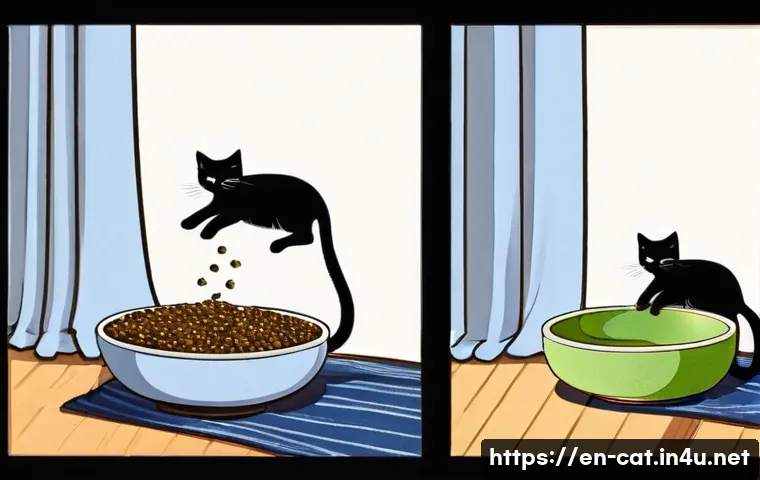
Digestive issues are often the most immediate and noticeable indicators that something is wrong with your cat’s diet. We’re talking about things like vomiting, diarrhea, constipation, or excessive gas. While an occasional hairball is normal, frequent vomiting (especially after meals) or consistent loose stools are definitely not. I once had a cat who developed chronic diarrhea after I switched to a new, cheaper brand of food. It took me a little while to connect the dots, but once I reverted to his old diet, the problem cleared right up. Changes in litter box habits, like straining to defecate or an unusual odor, can also be red flags. Keep an eye on the consistency and frequency of their bowel movements; a healthy cat should have firm, well-formed stools once or twice a day. If you notice any persistent digestive upset, it’s always best to consult your veterinarian, as it could indicate anything from a simple food intolerance to a more serious underlying medical condition. Don’t try to guess or self-diagnose; get professional advice.
Beyond the Gut: Other Physical Indicators
While digestive issues are often the most obvious, a cat’s diet can also manifest in other less obvious ways. Take their coat, for instance. A dull, greasy, or excessively shedding coat can be a sign of nutritional deficiencies, particularly a lack of essential fatty acids. I’ve seen firsthand how a balanced diet can transform a lackluster coat into a glossy, healthy one. Another major indicator is energy levels. A cat that’s suddenly lethargic or unusually hyper could be reacting to their food. Persistent itching, skin flakes, or recurring ear infections can also sometimes be linked to food allergies or sensitivities. Even subtle changes in weight, either unexplained gain or loss, warrant a closer look at their diet and portion sizes. Remember, these aren’t always definitive proof of a dietary problem, but they certainly signal that something isn’t quite right and warrants a discussion with your vet. Catching these issues early can prevent them from escalating into more significant health challenges for your beloved feline.
The Tempting World of Treats and Supplements: Are They Worth It?
Let’s face it, we all love to spoil our cats a little, and treats are often our go-to for showing affection, training, or just for a little extra bond. But in the grand scheme of feline nutrition, where do treats and supplements fit in? It’s a delicate balance, and something I’ve wrestled with myself. On one hand, treats can be fantastic for positive reinforcement and can even contain functional benefits like dental support. On the other, they can easily contribute to obesity if given too freely, and some are just empty calories that displace essential nutrients from their main meals. Supplements are an entirely different beast. While some cats genuinely benefit from targeted supplements (think joint support for seniors or probiotics for digestive issues), many cats on a complete and balanced diet don’t need them. It’s easy to get caught up in the marketing hype surrounding supplements, but my philosophy is always to address the diet first. I’ve learned that a thoughtful approach, rather than just showering them with goodies, is key to ensuring treats and supplements truly enhance, rather than detract from, their health.
Treats as Tools: How to Indulge Wisely
I absolutely adore giving my cats treats – those purrs and happy eyes are just irresistible! But I’ve learned to use them strategically. Treats should make up no more than 10% of your cat’s daily caloric intake. This is a crucial rule to prevent weight gain and ensure they’re still getting the bulk of their nutrition from their balanced diet. I prefer to use treats as training aids, for positive reinforcement during vet visits, or as a little puzzle in a treat-dispensing toy to provide mental stimulation. Always look for treats with simple, wholesome ingredients, ideally high in protein and low in unnecessary fillers. Avoid anything with artificial colors or flavors. And remember, human food isn’t always safe or appropriate. While a tiny piece of cooked, unseasoned chicken might be fine, many human foods are toxic or just too rich for their sensitive systems. Moderation and smart choices are the names of the game here. Treats should be a small, joyful bonus, not a significant part of their daily calories.
Navigating the Supplement Maze: When Do They Help?
The world of pet supplements can feel incredibly overwhelming, with countless products promising everything from shinier coats to endless youth. My advice, from personal experience and countless vet consultations, is this: always consult your veterinarian *before* introducing any supplements. A truly complete and balanced commercial cat food should, in theory, provide everything your cat needs. However, there are certainly situations where supplements can be genuinely beneficial. For example, I’ve had friends whose older cats benefited immensely from Omega-3 fatty acid supplements for their joint health and cognitive function, or specific probiotics for chronic digestive issues. The key is targeted use based on a diagnosed need, not just general supplementation. Over-supplementation can sometimes be just as harmful as deficiency, particularly with fat-soluble vitamins. So, don’t just blindly follow trends. Have an open conversation with your vet about your cat’s specific health concerns and see if a particular supplement might be a helpful addition to their diet. It’s about informed decisions, not just hoping for the best.
Making Mealtime a Purrfectly Pleasant Experience
You know, for an activity that happens multiple times a day, mealtime can sometimes become a source of stress, for both us and our cats. But it really doesn’t have to be! Creating a positive and enriching mealtime experience can actually boost their overall well-being and even encourage better eating habits. Think about it – in the wild, eating isn’t just about sustenance; it’s a whole process of hunting, strategizing, and engaging their senses. We can replicate some of that in our homes to make feeding more than just plopping down a bowl of food. This is something I’ve really focused on in my own home, especially with my more finicky eaters. Instead of just setting out food and walking away, I try to make it a calm, predictable, and sometimes even engaging event. The environment, the type of bowls, and even the pace of feeding all play a role. It’s about more than just the food itself; it’s about the entire experience surrounding it, and trust me, your cat will thank you for it with happy purrs and healthy eating habits.
The Right Setup: Bowls, Location, and Routine
Setting up their dining area might seem trivial, but it can make a huge difference. Firstly, consider the bowls. Some cats dislike deep bowls because their sensitive whiskers touch the sides. Wide, shallow dishes made of ceramic or stainless steel are often preferred. Plastic can sometimes harbor bacteria or retain odors, leading to “feline acne” or simply making the food less appealing. Location is also key: choose a quiet, low-traffic area where your cat feels safe and undisturbed. Avoid placing food bowls right next to the litter box – honestly, who wants to eat next to their toilet? A consistent feeding routine is another major stress-reducer. Cats thrive on predictability. Feeding them at roughly the same times each day helps regulate their digestive system and reduces anxiety around mealtime. I’ve found that establishing a clear routine has made my cats much calmer and less prone to begging throughout the day. It’s amazing how much impact these seemingly small details can have on their overall happiness and comfort.
Enrichment and Engagement: Beyond the Traditional Bowl
For cats, eating isn’t just about filling their belly; it can be an engaging activity that taps into their natural instincts. This is where food puzzles and slow feeders come into play, and I’ve become a huge fan of them. Instead of just putting kibble in a bowl where it’s devoured in seconds, a food puzzle makes them “work” for their meal, mimicking the hunting process. This provides mental stimulation, slows down eating (which can be great for fast eaters), and can even prevent boredom-related behavioral issues. I use a variety of different food puzzles and sometimes hide small portions of food around the house for my cats to “hunt” for. It’s incredible to see their focus and satisfaction as they figure out how to get to their treat! For wet food, you can use lick mats or slow-feeder bowls designed for wet food to extend mealtime and provide a calming, repetitive licking action. This kind of enrichment not only makes mealtime more enjoyable but also contributes significantly to their mental and physical well-being, turning a simple act into a fulfilling experience.
| Nutrient Category | Why It’s Essential for Cats | Common Food Sources |
|---|---|---|
| Animal-Based Protein | Required for muscle maintenance, enzyme production, and all bodily functions as obligate carnivores. Provides essential amino acids like taurine. | Chicken, Turkey, Salmon, Beef, Lamb, Eggs, Organ Meats |
| Fats (Animal-Based) | Primary energy source, aids absorption of fat-soluble vitamins (A, D, E, K), promotes healthy skin and a shiny coat. | Chicken Fat, Fish Oil (Omega-3s), Tallow |
| Vitamins (A, B-complex, D, E, K) | Support vision, immune function, energy metabolism, bone health, blood clotting, and act as antioxidants. | Liver, Fish, Whole Grains (in small amounts), Fortified Cat Foods |
| Minerals (Calcium, Phosphorus, Magnesium, Zinc, Iron) | Crucial for strong bones and teeth, nerve function, muscle contraction, oxygen transport, and immune health. | Bone Meal, Meats, Organ Meats, Fortified Cat Foods |
| Water | Essential for all metabolic processes, nutrient transport, waste elimination, and temperature regulation. | Wet Cat Food, Fresh Drinking Water, Broth |
Wrapping Things Up
What an incredible journey we’ve taken into the intricate world of feline nutrition! It’s clear that understanding our cats as the unique obligate carnivores they are is the very foundation of their health. From deciphering those often-confusing labels to ensuring they’re properly hydrated, every choice we make at mealtime profoundly impacts their vitality and happiness. I’ve personally seen the transformative power of a well-chosen diet, and I truly hope this deep dive empowers you to make the very best decisions for your beloved furball. Remember, feeding them isn’t just a chore; it’s one of the most significant acts of love and care you can provide.
Useful Information to Know
Here are a few handy tips to keep in your back pocket as you continue on your journey to becoming a feline nutrition expert:
1. Always prioritize animal-based protein. Look for identifiable meat sources like chicken, turkey, or salmon at the top of the ingredient list.
2. Hydration is critical! Cats naturally get much of their water from food, so incorporating wet food into their diet is often a game-changer for their kidney and urinary health.
3. Don’t underestimate the power of a good vet. Regular check-ups and open conversations with your veterinarian are key to tailoring a diet to your cat’s specific life stage and health needs.
4. Be mindful of treats. They’re wonderful for bonding and training, but should only make up a tiny portion of your cat’s daily caloric intake to prevent obesity.
5. Observe your cat closely. Changes in coat quality, energy levels, or litter box habits can be subtle but important indicators that their diet might need adjusting.
Key Takeaways
In essence, nourishing our feline friends boils down to a few core principles. First, always remember they are obligate carnivores, thriving on a diet rich in high-quality, animal-based protein. Second, prioritize their hydration, often best achieved through wet food and creative water-access solutions. Third, recognize that their nutritional needs evolve with each life stage, requiring adjustments to their diet. Lastly, empower yourself by becoming a savvy label reader and always consult your veterinarian for personalized advice. By embracing these pillars, you’re not just feeding your cat; you’re investing in a lifetime of purrs, play, and profound companionship.
Frequently Asked Questions (FAQ) 📖
Q: How can I tell if my cat’s diet is truly balanced and providing all the nutrients they need?
A: This is such a critical question, and honestly, it’s one I’ve wrestled with myself! It’s not like they can just tell us in words, right? But our cats are surprisingly good at showing us through their bodies and behaviors.
The first thing I always look for is their coat. Is it glossy and soft, or does it seem a bit dull and flaky? A shiny, healthy coat often screams “I’m well-fed!” Their energy levels are another huge clue.
Are they playful and curious, or do they seem sluggish and less interested in their usual antics? A balanced diet fuels that delightful cat energy! Don’t forget about their eyes; bright, clear eyes are a sign of good health.
And yes, even their litter box habits can tell a story – consistent, well-formed stools usually mean their digestive system is happy. Beyond these physical cues, the most reassuring step is always a chat with your veterinarian.
They’re our ultimate partners in crime for keeping our cats healthy. They can help you interpret what your cat’s specific signs mean and recommend foods tailored to their age, activity level, and any unique health needs.
Personally, I’ve found that checking for an AAFCO (Association of American Feed Control Officials) statement on the food label is a must. This means the food is formulated to meet industry-recognized nutritional standards for a specific life stage, ensuring it’s “complete and balanced.” My own little furball, Luna, had a patchy coat for a while, and it turns out her food wasn’t quite cutting it.
Switching to a high-quality brand that clearly displayed its AAFCO statement and had animal protein as the first ingredient made a world of difference; her fur is like silk now!
Q: With all the new functional foods and diet trends popping up, how do I cut through the noise and choose the best food for my cat?
A: Oh, trust me, I completely get how overwhelming the pet food aisle can be these days! It feels like there’s a new “superfood” or “revolutionary diet” every other week, right?
My best advice, from one cat parent to another, is to try and filter out the fancy marketing buzz and focus on the fundamentals of feline nutrition. Remember, cats are obligate carnivores, which means they need meat to thrive.
So, when you’re peering at those labels, always look for high-quality animal protein as one of the first few ingredients. Don’t be fooled by trends like “grain-free” unless your vet specifically recommends it; often, grains are just replaced with other carbohydrates like peas or potatoes, which aren’t necessarily better and can even be problematic for some cats.
My vet once explained to me that many indoor cats don’t actually benefit from trendy diets and what truly matters is a diet tailored to their individual needs, not just what’s popular.
I used to think all dry food was created equal, but I learned that premium wet food, with its higher moisture content and often lower carbohydrate levels, can be incredibly beneficial, especially for hydration and weight management.
It’s also super important to distinguish between “complete” and “complementary” foods—always go for “complete” as it means it has all the necessary nutrients.
Ultimately, the most reliable source of advice will always be your veterinarian. They know your cat’s health history best and can help you make an informed decision that’s truly optimal, not just trendy.
Q: Besides the type of food, what other simple tricks can I use to optimize my cat’s eating habits for better health and happiness?
A: This is where we can really lean into making mealtime an experience for our little hunters! It’s not just what they eat, but how they eat it that can make a huge difference.
First off, hydration is key, especially since many cats aren’t big water drinkers. I personally noticed a massive improvement when I switched from a regular bowl to a water fountain.
My cats, usually quite picky, suddenly became much more enthusiastic about drinking, which is so crucial for kidney and urinary tract health. Another game-changer for me was ditching the “always full bowl” approach.
Free-feeding can often lead to overeating and, eventually, obesity, which can bring a whole host of health issues. Instead, I started feeding them measured meals a couple of times a day, which allows me to monitor their intake and keep them at a healthy weight.
And talk about boosting their happiness: food puzzles and interactive feeders are fantastic for engaging their natural hunting instincts! I love hiding small portions of kibble in different spots around the house or using a simple DIY puzzle made from a toilet paper roll.
It turns mealtime into a fun treasure hunt, keeping them mentally stimulated and physically active. My cats absolutely love batting around their puzzle toys to get a few kibbles out, and I swear it makes them happier and more fulfilled.
These little changes can truly transform their well-being and strengthen that special bond we share!