The Shocking Truth About Your Cat’s Lifespan Breed Differences Revealed

webmaster

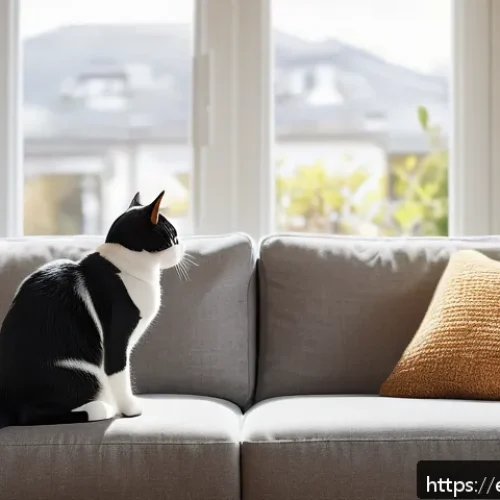
고양이 품종별 수명 - **Prompt 1: A "Long-Lived Legend" Siamese Cat in a Stimulating Indoor Environment**
    A vibrant, h...

Hey there, fellow cat lovers! We all want our adorable feline companions to be with us for as long as possible, right? It’s a question that tugs at every cat parent’s heartstrings: just how many blissful purrs and playful pounces can we expect from our beloved furballs?

고양이 품종별 수명 관련 이미지 1

What many people don’t realize is that your cat’s breed can actually be a huge factor in their overall lifespan, and it’s a topic I find absolutely fascinating!

I’ve spent countless hours researching and observing, and I’ve personally seen how understanding these breed-specific traits can truly make a difference in our cats’ health journeys.

It’s not just about genetics anymore; with all the incredible advancements in veterinary science and a deeper understanding of feline nutrition, we have more power than ever to influence their longevity.

This isn’t just some abstract idea; it’s about giving them the best possible life, filled with comfort and joy. Curious to know if your whiskered friend is set for a long, happy run or if there are specific things you should be aware of?

Let’s uncover the truth about cat breed lifespans together right now!

Unraveling the Genetic Blueprint of Feline Longevity

It’s fascinating, isn’t it, how much of our beloved cat’s life journey is written in their genes? When I first started diving deep into the world of feline health, I truly believed that a cat’s lifespan was almost entirely predetermined by their breed.

But oh, how my perspective has evolved! While genetics undoubtedly lay a foundational blueprint, dictating predispositions to certain conditions or even influencing metabolic rates, it’s far from the whole story.

I’ve personally encountered purebred cats that have defied their breed’s typical lifespan expectations, thriving well into their late teens, simply because their environment and care were top-notch.

Conversely, I’ve seen cats from supposedly long-lived breeds face unexpected challenges due to overlooked care or unforeseen circumstances. It’s a delicate dance between what nature provides and what nurture offers, and understanding this interplay is absolutely crucial for any cat parent hoping to maximize their furry friend’s time with us.

It’s not about blame or certainty, but about understanding the cards we’re dealt and playing them as best we can. My own Siamese, Luna, often gets compliments on her youthful vigor at an age where many of her breed might be slowing down, and I credit much of that to understanding her genetic tendencies and then building a lifestyle around supporting them, rather than just hoping for the best.

The Hand-Me-Down Health: Inherited Traits

Just like in humans, cats inherit a mosaic of traits from their parents, and some of these can unfortunately include predispositions to certain health issues.

For instance, some breeds are more prone to specific heart conditions, while others might have a higher likelihood of developing kidney disease or certain joint problems.

I remember consulting with a friend whose beautiful Ragdoll started showing early signs of hypertrophic cardiomyopathy, a condition known to be more prevalent in that breed.

Knowing this genetic tendency allowed us to be proactive, getting her regular vet check-ups and dietary adjustments that might not have been considered for another cat.

It’s not a death sentence by any means, but rather a warning sign, urging us to be extra vigilant and work closely with our vets. This proactive approach, armed with breed-specific knowledge, can genuinely add years of quality life to our companions, transforming potential challenges into manageable aspects of their care.

It’s about being informed, not fearful, and empowering ourselves to make the best decisions for our little explorers.

Purebred vs. Mixed: A Genetic Advantage?

There’s a long-standing debate, and one I’ve often pondered myself, about whether purebred cats are inherently less healthy or have shorter lifespans than their mixed-breed counterparts.

The concept of “hybrid vigor” certainly suggests that a broader gene pool, typical of mixed breeds, can lead to increased genetic diversity and potentially reduce the incidence of inherited diseases that might be concentrated in certain purebred lines.

And honestly, I’ve seen plenty of incredibly robust and long-lived mixed-breed cats! But it’s not a hard and fast rule. While some purebred lines, particularly those with very small gene pools or those bred for extreme physical traits, can indeed be more susceptible to specific health issues, many responsible breeders work diligently to screen their cats for genetic diseases, actively striving to produce healthy, long-lived offspring.

From my own observations, a well-bred purebred cat, from a reputable breeder who prioritizes health, can certainly live just as long and as healthily as a mixed breed.

It really boils down to the individual cat, their specific genetic background, and the quality of care they receive throughout their lives. It’s not simply about the label, but the whole picture.

The Lifestyle Connection: How Environment Shapes Their Years

Beyond the genetic lottery, the way we live with and care for our cats profoundly impacts how many candles they’ll have on their birthday cakes. I’ve always believed that while genes might load the gun, lifestyle pulls the trigger, and nowhere is this more evident than in our feline friends.

Think about it: a cat with excellent genetics who is fed a poor diet, lacks mental stimulation, and rarely sees a vet is almost certainly not going to live as long or as happily as a cat with a few genetic predispositions who receives premium nutrition, engaging play, and regular check-ups.

It’s a holistic approach, and one that I’ve seen work wonders time and time again. I remember when my friend’s usually lethargic senior cat, Mittens, was given a new lease on life after a simple switch to a higher-quality wet food and the introduction of daily interactive play sessions.

Her coat became shinier, her eyes brighter, and her overall demeanor transformed from a sleepy observer to an active participant in household life. These aren’t just minor adjustments; they are fundamental pillars of a long and vibrant feline existence that we, as their guardians, have direct control over every single day.

The Power of the Purrfect Plate: Diet and Nutrition

When it comes to longevity, what goes into your cat’s bowl is paramount. It’s not just about filling their tummy; it’s about fueling their entire system.

I’ve always been a huge advocate for high-quality, species-appropriate nutrition, and after seeing the difference it makes, I’m more convinced than ever.

Many common, inexpensive cat foods are packed with fillers and carbohydrates that simply aren’t suited for a carnivore’s digestive system, leading to issues like obesity, diabetes, and kidney problems over time – all of which can significantly shorten a cat’s lifespan.

I once helped a family transition their cat, who was constantly battling urinary tract infections, from a budget dry kibble to a grain-free, high-moisture wet food.

The change was almost immediate; the infections ceased, and the cat’s energy levels skyrocketed. It’s an investment, yes, but one that pays dividends in terms of health, happiness, and potentially, years added to their life.

Understanding ingredients and providing proper hydration through wet food can be one of the most impactful decisions you make for your cat’s long-term well-being.

Indoor Sanctuary vs. Outdoor Adventures: Risk vs. Reward

This is a topic that always sparks lively discussions among cat parents, and I completely understand why. The allure of the great outdoors for a cat is undeniable – the hunting, the exploring, the sheer joy of it.

However, from a purely statistical standpoint regarding lifespan, indoor cats generally live significantly longer than outdoor or indoor/outdoor cats.

I’ve seen the heartbreak firsthand when friends have lost their adventurous outdoor cats to car accidents, predators, or diseases contracted from other animals.

While the freedom of outdoor life seems appealing, it comes with a myriad of risks: traffic, fights with other animals (leading to injuries and infections), parasites, and exposure to various toxins.

My own cats are strictly indoor, and while I ensure they have plenty of enrichment through cat trees, puzzle toys, and supervised leash walks in a safe backyard, I prioritize their safety above all else.

Creating a stimulating indoor environment can mitigate much of the “boredom” argument, allowing them to express natural behaviors in a controlled, safe space.

It’s a trade-off, but one that overwhelmingly favors a longer, safer life for our cherished companions.

Advertisement

Breed-Specific Health Challenges and What They Mean for Lifespan

It’s a tough truth to face, but certain cat breeds, through no fault of their own, come with a higher “risk profile” for specific health conditions. This isn’t to say every cat of a particular breed will develop these issues, but rather that the chances are elevated.

I’ve spent countless hours sifting through veterinary reports and speaking with specialists, and what I’ve learned is that understanding these predispositions isn’t about fostering anxiety, but about empowering ourselves to be proactive.

For example, I have a friend whose beautiful Persian cat, Mr. Fluffington, developed polycystic kidney disease (PKD), a condition more common in Persians.

Because she knew about this breed tendency, she was vigilant about his water intake and regular vet checks, catching the disease early. This allowed for dietary management and medication that significantly improved his quality of life and extended his comfortable years far beyond what might have been possible had it gone undiagnosed.

It’s a testament to how knowledge truly is power when it comes to feline health, transforming what could be a devastating blow into a manageable chronic condition.

Decoding Common Ailments by Breed

When you look at the different cat breeds, it’s almost like observing specialized athletes – each has unique strengths, but also specific vulnerabilities.

Take the majestic Maine Coon, for instance; while generally robust, they are statistically more prone to hypertrophic cardiomyopathy (HCM) and hip dysplasia.

Similarly, breeds like the Sphynx, with their lack of protective fur, can be more susceptible to skin conditions and need careful temperature regulation.

For the delightful Scottish Fold, their distinctive folded ears, though endearing, are a result of a genetic mutation that can also affect cartilage throughout their body, leading to osteochondrodysplasia, a painful joint condition.

I’ve found that being aware of these common breed-specific ailments helps me frame my conversations with the vet. Instead of just reacting to symptoms, I can ask targeted questions and ensure my cat is getting appropriate preventative screenings.

It’s like having a personalized health roadmap for each of our unique feline family members, allowing us to navigate potential pitfalls with greater confidence.

Proactive Care: Early Detection is Key

Knowing about breed predispositions is only half the battle; the real game-changer is proactive care and early detection. This means more than just reacting when your cat shows obvious signs of illness.

It involves regular veterinary check-ups, often annually for younger cats and bi-annually for seniors, even if they seem perfectly fine. During these visits, your vet might recommend specific screenings or tests based on your cat’s breed and age.

I’ve seen the immense value in this approach repeatedly. My cousin’s British Shorthair, a breed known for its calm demeanor, started subtly showing less interest in play.

Because my cousin was attuned to breed-specific heart issues, she mentioned it to her vet, who recommended an echocardiogram. They caught an early-stage heart murmur that might have been dismissed in a less-informed context.

This early diagnosis meant they could start medication and make lifestyle adjustments, giving her beloved cat many more happy, comfortable years than if they had waited for more pronounced symptoms.

It’s about being a detective, listening to your cat, and trusting your gut, all while leaning on your vet’s expertise.

Small Wonders and Mighty Mammoths: Does Size Truly Matter?

It’s a question that often crosses my mind when I’m observing the sheer diversity in the feline world: does a cat’s size or build actually correlate with its lifespan?

We see such a vast range, from the petite Singapura to the imposing Maine Coon, and intuition might lead us to believe that bigger means a shorter life, as is sometimes the case in the canine world.

But the reality for cats is a bit more nuanced and, frankly, quite fascinating! While there isn’t a universally rigid rule, I’ve observed that extremely large breeds can sometimes, though not always, carry certain genetic predispositions that can impact their longevity.

On the other hand, some of the smaller breeds tend to live exceptionally long lives, often defying their delicate appearance. It’s never as simple as “big equals short life” or “small equals long life,” but rather an interesting pattern influenced by a complex interplay of genetics, activity levels, and breed-specific health concerns.

For instance, I’ve seen some tiny, sprightly cats bounce around well into their late teens, while a larger, more sedentary breed might show signs of aging earlier.

It’s a reminder that every cat is an individual, but size can sometimes offer a hint at what to expect and how to best support them.

Giants Among Us: Lifespan of Larger Breeds

When we think of the giants of the cat world, breeds like the Maine Coon, Ragdoll, and Norwegian Forest Cat immediately come to mind. These magnificent felines are adored for their impressive size and gentle dispositions.

While they certainly capture our hearts with their grandeur, their larger frames can sometimes come with specific considerations that might affect their longevity.

For instance, larger breeds can be more prone to joint issues like hip dysplasia, simply due to the increased stress on their skeletal structure over time.

They might also have a slightly higher incidence of certain cardiac conditions. I recall one particularly sweet Maine Coon named Goliath, who, despite his formidable size, needed careful monitoring for a heart condition that is more commonly found in his breed.

His owners, proactive and informed, ensured he received regular veterinary care and specialized dietary support, which allowed him to live a robust and happy life well into his early teens.

It just goes to show that while size can present certain challenges, diligent care can make all the difference, allowing these majestic felines to enjoy full and healthy lives.

Tiny Titans: The Longevity of Petite Felines

On the other end of the spectrum, we have the “tiny titans” – breeds like the Singapura, American Curl, or even many domestic shorthairs that don’t grow to an imposing size.

고양이 품종별 수명 관련 이미지 2

It’s often said that “small packages hold great things,” and this certainly seems to hold true for many smaller cat breeds when it comes to longevity!

These compact companions frequently boast impressive lifespans, often outliving their larger counterparts. Their smaller stature generally puts less strain on their joints and organs, and they often carry fewer breed-specific predispositions to severe chronic conditions.

My friend’s little American Curl, Pip, is a perfect example; she’s a bundle of energy and mischief, and despite being nearly 18 years old, she still acts like a kitten!

While there are always exceptions and individual health issues can arise in any cat, I’ve personally observed that many of these smaller, more agile breeds tend to maintain a youthful vigor for a surprisingly long time.

It speaks to the resilience and robust nature often found in the more diminutive members of the feline family, proving that good things really do come in small packages.

Advertisement

Decoding the Lifespans of Our Most Cherished Breeds

It’s truly incredible how varied the lifespans can be across different cat breeds, isn’t it? As a dedicated cat enthusiast, I’ve spent countless hours sifting through information and connecting with other cat parents and veterinarians to understand the nuances of breed longevity.

What I’ve learned is that while there are always individual exceptions, certain breeds do tend to have a general range within which most of their members thrive.

This isn’t a hard-and-fast rule etched in stone, but rather an average, influenced by genetics, typical breed health issues, and even their natural activity levels.

Knowing these general expectations can be incredibly helpful for cat owners. It doesn’t mean you should expect your specific cat to hit the exact average, but it provides a framework for understanding potential health needs and making informed decisions about their care.

I’ve often seen people surprised by how long some breeds live, and conversely, how relatively shorter the lifespans can be for others. It truly underscores the importance of breed-specific knowledge in providing the best possible life for our unique feline companions.

Long-Lived Legends: Breeds That Often Go the Distance

Among the many wonderful cat breeds, some truly stand out as the “long-lived legends,” consistently gracing us with their presence for well over a decade, and often into their late teens or even early twenties.

The Siamese, with their striking blue eyes and vocal personalities, are often cited as one of the longest-living breeds. I’ve known several Siamese cats who have lived vibrant lives far beyond the typical feline average.

Similarly, the Russian Blue, known for its elegant silver-blue coat and reserved nature, frequently enjoys a long and healthy existence. And who could forget the delightful Manx, often tailless and full of character, who also tends to be a very long-lived breed, sometimes reaching 20 years or more.

These breeds generally have robust health, fewer widespread genetic predispositions to severe illnesses, and are often active and agile throughout their lives.

It’s always a joy to hear stories of these cats thriving for so many wonderful years, a testament to their inherent resilience and the loving homes they find.

Breeds Requiring Extra TLC for a Full Life

On the other side of the coin, there are some breeds that, while equally beloved, might require a bit more “tender loving care” to achieve a full and comfortable life.

This isn’t a reflection of their worth, but rather an acknowledgment of certain genetic predispositions that can impact their longevity if not managed proactively.

For instance, the beautiful and distinctive Persian, with its brachycephalic (flat) face, can sometimes be prone to respiratory issues, dental problems, and polycystic kidney disease, as I mentioned earlier.

Similarly, the enchanting Scottish Fold, with its unique ear structure, can face joint issues. And while majestic, breeds like the Maine Coon can have a higher incidence of heart conditions.

I’ve found that proactive engagement with a vet, specialized diets, and consistent preventative care can make a monumental difference for these breeds.

It’s about recognizing their specific needs and making a commitment to address them head-on, ensuring they receive the tailored support necessary to live their happiest, healthiest, and longest possible lives.

Cat Breed Average Lifespan (Years) Common Health Concerns
Siamese 12 – 20+ Amyloidosis, Respiratory issues
Maine Coon 10 – 15 Hypertrophic Cardiomyopathy (HCM), Hip Dysplasia
Persian 12 – 17 Polycystic Kidney Disease (PKD), Respiratory, Dental
Ragdoll 12 – 17 Hypertrophic Cardiomyopathy (HCM), Urinary issues
Sphynx 10 – 15 Heart conditions, Skin conditions
British Shorthair 12 – 20 Hypertrophic Cardiomyopathy (HCM), Polycystic Kidney Disease (PKD)
Abyssinian 12 – 18 Progressive Retinal Atrophy, Renal Amyloidosis

Beyond the Genes: Nurturing a Long and Vibrant Life

While genetics give us a starting point and breed-specific knowledge arms us with insights, the true magic of extending our cat’s lifespan often lies in the day-to-day care and boundless love we offer.

It’s not just about avoiding problems; it’s about actively fostering an environment where they can thrive, physically and mentally. I’ve seen firsthand how a cat with a challenging genetic predisposition can flourish for years longer than expected simply because their human companion was incredibly dedicated to their holistic well-being.

This goes beyond just food and water; it encompasses everything from regular play sessions that keep their bodies agile and minds sharp, to the quiet comfort of a safe home where they feel loved and secure.

These seemingly small gestures accumulate over time, building a foundation of health and happiness that can truly influence their longevity. It’s about creating a rich tapestry of care that considers every facet of their existence, proving that our influence as pet parents is profound and incredibly powerful in shaping their long-term health trajectory.

The Unsung Heroes: Regular Vet Check-ups

I cannot stress enough the importance of regular veterinary check-ups – they are truly the unsung heroes of feline longevity! So often, we only think to take our cats to the vet when something is visibly wrong, but by then, a condition might be advanced and harder to treat.

Just like with humans, preventive care and early detection are absolutely crucial for our feline friends. I’ve learned this lesson personally with my own cat, who, despite appearing perfectly healthy, had a very subtle dental issue discovered during a routine annual check-up.

Addressing it early prevented a much larger, more painful, and more expensive problem down the line. Vets can catch subtle changes in weight, coat condition, or even behavior that we, as loving but untrained observers, might miss.

They can perform routine blood work to screen for underlying organ issues before they manifest as obvious symptoms. These regular visits are not just about vaccinations; they are comprehensive health assessments that act as a safety net, potentially adding years to your cat’s life by nipping problems in the bud.

Mental and Physical Wellness: Keeping Them Engaged

A long life isn’t just about the absence of illness; it’s about a life full of vitality and joy. This is where mental and physical wellness comes into play, and it’s an area where we, as cat parents, have a massive impact.

A bored, sedentary cat is not a happy or healthy cat. Just like us, they need mental stimulation to prevent cognitive decline and physical activity to maintain a healthy weight and strong muscles.

I make it a point to engage my cats with interactive toys, puzzle feeders, and even training sessions, which they absolutely love! Laser pointers, feather wands, and even a simple game of hide-and-seek with treats can do wonders.

Obesity, a growing epidemic in the feline world, drastically shortens lifespans and leads to a host of health problems like diabetes and joint pain. Encouraging regular play and providing opportunities for natural predatory behaviors not only keeps them physically fit but also keeps their minds sharp and their spirits high.

A cat that is active and mentally stimulated is a cat that is likely to live a longer, much more fulfilling life.

Advertisement

The Unexpected Impact of Mixed Breeds on Longevity

It’s a common perception, almost an old wives’ tale in the pet world, that mixed-breed cats, often affectionately called “mutts,” are inherently healthier and live longer than their purebred counterparts.

And you know what? There’s a lot of truth to that sentiment! While I adore all cats, regardless of their pedigree, my observations and countless discussions with vets have certainly reinforced the idea that mixed breeds often benefit from something called “hybrid vigor.” This isn’t some mystical force, but a scientific principle where the offspring of two genetically distinct parents tend to be stronger, healthier, and more fertile.

When you have a broader genetic pool, the chances of inheriting two copies of a problematic recessive gene, which can lead to specific diseases, are significantly reduced.

It’s like spreading out the risk, diluting potential weaknesses that might be more concentrated in a very specific, purebred lineage. I’ve personally known so many incredibly robust and long-lived mixed-breed cats who seem to defy the odds, often outliving many of their purebred friends, and I credit much of that to their wonderfully diverse genetic heritage.

The Myth of the “Purebred Problem”

While hybrid vigor gives mixed breeds a certain advantage, it’s crucial not to fall into the trap of believing there’s an inherent “purebred problem” that dooms all pedigreed cats to shorter, sicker lives.

This is simply not true, and it unfairly maligns many beautiful and healthy purebred felines. The reality is far more nuanced. Many responsible breeders are incredibly dedicated to the health and well-being of their specific breeds.

They conduct extensive genetic testing, maintain careful breeding records, and work hard to eliminate genetic predispositions from their lines. For instance, the reputable breeders of breeds known for HCM, like Maine Coons, often screen their breeding cats meticulously to avoid passing on the gene.

It’s not the “purebred” status itself that’s the issue, but rather the potential for irresponsible breeding practices that prioritize appearance over health, or a very limited gene pool that hasn’t been carefully managed.

A well-bred purebred cat from a reputable source can absolutely live a long, healthy, and incredibly happy life, easily rivaling a mixed breed.

Embracing the Best of Both Worlds

Ultimately, whether your whiskered companion is a meticulously bred purebred or a wonderfully unique mixed breed, the most significant factor in their longevity isn’t their pedigree status, but the quality of care and love they receive throughout their lives.

I truly believe we can embrace the best of both worlds. For purebred owners, this means being informed about their breed’s specific health predispositions and working closely with a veterinarian for proactive care and screenings.

For mixed-breed owners, it means appreciating their robust genetic diversity while still prioritizing excellent nutrition, regular vet check-ups, and a stimulating environment.

Every cat, regardless of origin, thrives on a healthy diet, plenty of exercise, mental enrichment, and, most importantly, a loving home. By focusing on these universal pillars of feline well-being, we empower ourselves to give every cat, whether purebred or mixed, the very best chance at a long, vibrant, and incredibly cherished life.

It’s about being the best cat parent you can be, for the unique individual purring at your side.

Concluding Thoughts

And there you have it, fellow cat enthusiasts! Diving deep into the intricate dance between genetics, lifestyle, and longevity in our feline friends has been quite a journey, hasn’t it? It truly is humbling to realize how much influence we, as their loving guardians, wield over their well-being and the number of cherished years they spend purring by our side. From the tiniest whisker to the tip of their tail, every choice we make—from the food in their bowl to the love in our hearts—contributes to their vibrant life. It’s a powerful responsibility, but oh, what a rewarding one!

Advertisement

Useful Information to Know

1. Embrace Genetic Awareness, Not Fear: While understanding your cat’s breed-specific predispositions, whether they’re a purebred or have a known lineage, can feel daunting, it’s actually an incredible tool. Instead of fearing potential health issues, use this knowledge to your advantage. It empowers you to be proactive with targeted veterinary screenings, dietary adjustments, and early intervention. I’ve personally seen how knowing a cat’s genetic “handicap” allowed owners to create a tailored care plan that significantly extended their quality of life, turning what could have been a rapid decline into a manageable, long-term situation. It’s about being informed and prepared, transforming potential problems into manageable aspects of their care journey.

2. Lifestyle is Your Superpower: Seriously, this is where you, the pet parent, shine brightest! Genetics might set the stage, but lifestyle writes the script. A premium diet tailored to their needs, ample opportunities for physical play to keep them lean and agile, and a stimulating home environment are non-negotiable for a long, happy life. Think beyond the basics; consider puzzle feeders to engage their minds, cat trees to satisfy their climbing instincts, and interactive toys that mimic hunting. These aren’t just luxuries; they’re vital components that prevent obesity, cognitive decline, and boredom-induced stress, all of which chip away at longevity. Remember Mittens, the lethargic senior cat I mentioned earlier? Her transformation with better food and play was nothing short of miraculous, proving how much impact daily choices have.

3. Your Vet is Your Lifeline, Not Just a Last Resort: This cannot be emphasized enough! Regular veterinary check-ups, even when your cat seems perfectly healthy, are the cornerstone of preventive care. Vets are trained to spot the subtle, almost imperceptible changes that could signal an underlying issue long before it becomes obvious to us. I’ve heard countless stories, and experienced it myself, where routine blood work or a thorough physical exam uncovered early-stage kidney disease, dental infections, or even heart murmurs. Catching these conditions early means a higher chance of successful treatment, less discomfort for your cat, and ultimately, a longer life. Don’t wait for symptoms; schedule those annual (or bi-annual for seniors) wellness visits like your cat’s life depends on it – because often, it does!

4. Embrace the Indoor Life (with Enrichment!): While the romantic notion of a free-roaming outdoor cat persists, the stark reality is that indoor cats, on average, live significantly longer and safer lives. The outdoor world is simply too full of hazards: traffic, predators, parasites, contagious diseases from other animals, and exposure to toxins. However, “indoor” doesn’t have to mean “bored.” The trick is to create an enriching indoor sanctuary. Think vertical spaces like cat trees and shelves, rotating toys to keep things fresh, safe window perches for bird-watching, and dedicated playtimes with you. You can even consider harness training for supervised outdoor adventures in a secure, enclosed space. It’s about providing the thrill of the wild within the safety of your home, allowing them to express natural behaviors without the associated risks.

5. Love, Attention, and Mental Stimulation are Medicine: Beyond the physical, our cats thrive on emotional connection and mental engagement. A cat that feels loved, secure, and mentally stimulated is less prone to stress-related illnesses and behavioral issues, which can subtly impact their overall health and lifespan. Spend quality time interacting with them, whether it’s through play, grooming, or just quiet cuddles. Provide puzzle toys, rotate their toy selection, and even consider teaching them simple tricks. These activities strengthen your bond and keep their minds sharp, especially as they age. A happy cat is often a healthy cat, and that profound connection you share is truly one of the most powerful longevity boosters there is.

Key Takeaways

At the end of the day, understanding feline longevity isn’t about finding a magic bullet, but rather embracing a holistic approach to care. What I’ve truly learned is that while genetics provide a foundational blueprint, it’s our unwavering dedication to their well-being—through meticulous attention to diet, consistent veterinary care, a stimulating and safe environment, and an abundance of love—that truly unlocks their potential for a long and vibrant life. Be proactive, be informed, and most importantly, cherish every single purr, headbutt, and playful swat. Our feline companions are more than just pets; they’re family, and by prioritizing their health and happiness, we ensure many more years of shared joy and unforgettable memories. Let’s make every moment count for our extraordinary cats!

Frequently Asked Questions (FAQ) 📖

Q: So, if I’m dreaming of many, many years with my furbaby, which cat breeds tend to stick around the longest? What makes them such champions of longevity?

A: Oh, what a great question to kick things off! It’s totally natural to wonder about this, and I’ve certainly spent a lot of time digging into which breeds seem to have that extra spark for life.
From what I’ve seen and read, some fantastic breeds consistently pop up on the “longest-living” lists. We’re talking about breeds like the Burmese and Siamese, which can often purr their way into their late teens, sometimes even early twenties or beyond!
Can you believe there was even a Burmese cat recorded at an incredible 35 years old? Then there are gorgeous Balinese cats, often living well past 18 years, and the elegant Russian Blues, known for reaching 15-20 years with proper care.
Even Persian cats, with their beautiful long coats, can often enjoy a good 15 years, sometimes even stretching into their 20s. Now, why do these particular breeds often have such impressive lifespans?
Well, a lot of it boils down to genetics, just like in us humans. Some breeds simply have a more robust genetic makeup, making them a bit more resilient to certain common ailments.
For example, some of the very distinct breeds, while adorable, can sometimes come with predispositions to specific health challenges that might unfortunately shorten their time with us.
But even with breeds that are known for longevity, it’s not just pure luck! Their generally active and social natures also play a big role in keeping them mentally and physically stimulated, which, in my experience, is absolutely key to a long, joyful life.

Q: Beyond their breed, what are some of the biggest, most impactful factors that truly influence how long our beloved feline companions get to share our lives?

A: This is where we, as cat parents, really get to make a difference, and it’s a topic I’m so passionate about! While genetics give us a starting point, it’s truly the environment and care we provide that often write the longest chapters of their lives.
Honestly, the single biggest game-changer I’ve seen is whether your cat lives primarily indoors or outdoors. Indoor cats, hands down, tend to live significantly longer—often reaching 12 to 18 years, with many cruising past 20!
That’s because they’re safe from things like traffic, predators, nasty diseases, and dangerous toxins that are just a part of the outdoor world. I mean, who wants to worry about their little explorer encountering a car or getting into a tussle with another animal?
Beyond that, getting your cat spayed or neutered is a huge one. It not only helps with population control (which is super important!) but can also prevent certain cancers and reduce their urge to roam, keeping them safer.
And, of course, regular vet check-ups are non-negotiable! Think of them as your cat’s annual wellness spa day where a pro can catch tiny issues before they become big problems.
I’ve personally learned so much from my vets over the years about preventative care – it’s really a partnership for their health.

Q: Okay, so knowing all this, what are the most practical, everyday things I can actively do to help my furball live their longest, happiest, and healthiest life possible? Give me your best tips!

A: I love this question because it puts the power right in your hands! From my own journey with cats, and from countless stories I’ve heard, these daily habits truly make all the difference.
First up, nutrition is king, queen, and everything in between! Opt for a high-quality, age-appropriate diet, and seriously consider incorporating wet food.
Cats often don’t have a super strong thirst drive, and getting moisture through their food is crucial for kidney health. I’ve seen firsthand how a good diet can keep their coats shiny and their energy levels soaring!
Don’t forget portion control; an overweight kitty is an unhealthy kitty, and that extra weight can really take a toll on their joints and organs. Next, keep that brain and body active!
Indoor cats need plenty of mental stimulation. Think interactive toys, puzzle feeders, climbing trees, and dedicated play sessions with you every single day.
I always say a bored cat is a mischievous, or worse, an unhappy cat. Even just 15-20 minutes of focused play can make a world of difference. And let’s not forget the litter box – keep it sparkling clean!
It’s not just for freshness; changes in their litter box habits can be early warning signs for health issues. Lastly, and this might sound simple, but it’s huge: give them loads of love and a safe, stable environment.
A happy cat, one who feels secure and cherished, is a cat whose immune system can thrive. Provide them with cozy spots to nap, sunbathe, and observe their world.
Believe me, all these little things add up to a truly fantastic, long life for your beloved companion!

Advertisement