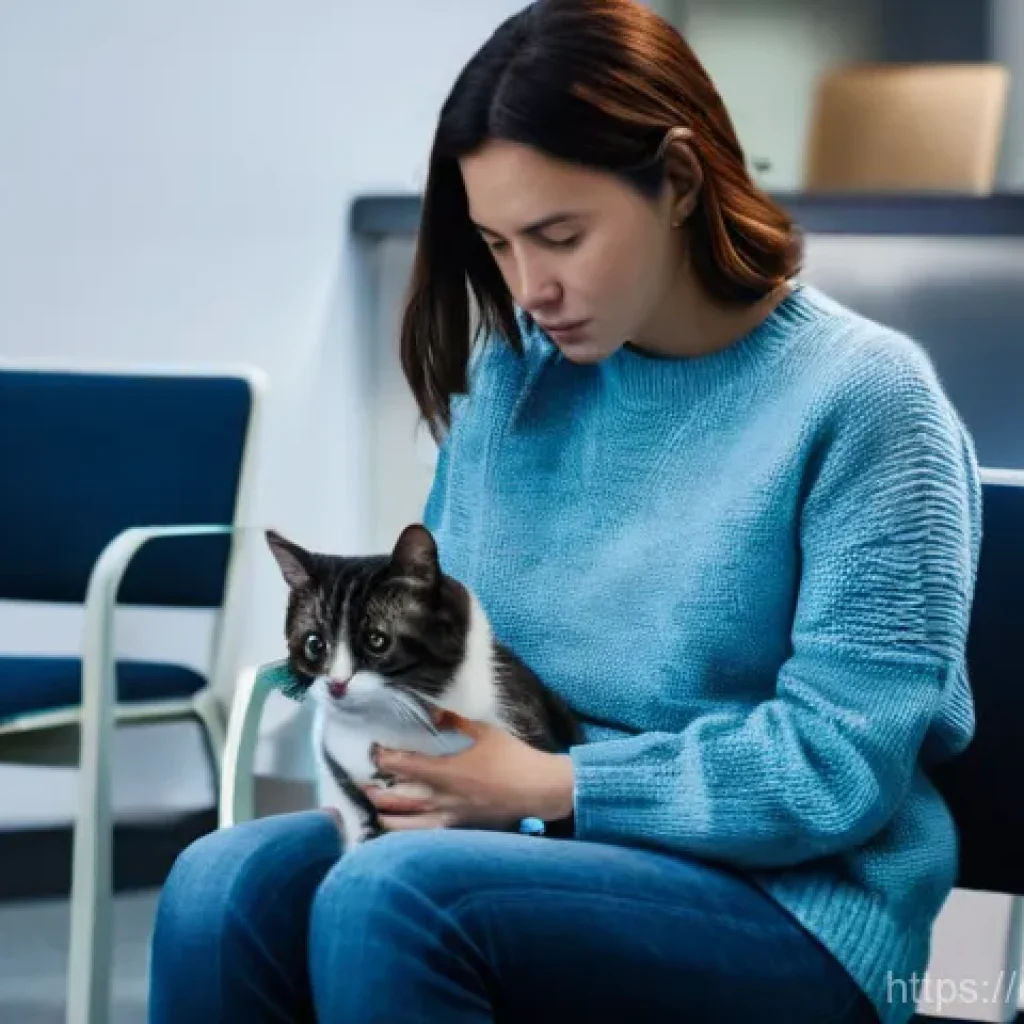
Hey there, fellow cat parents! We all absolutely adore our furry companions, those tiny purring machines that bring so much joy and chaos into our lives.
But let’s be real, while we spoil them with the best toys and endless cuddles, the thought of an unexpected trip to the vet can send a genuine shiver down our spines—those bills can truly pile up faster than a cat chasing a laser pointer!
I’ve been there, facing a hefty estimate, wishing I’d been more prepared. That’s precisely why understanding cat insurance isn’t just a smart move; it’s a game-changer for your peace of mind and your wallet.
Let’s delve into exactly how it can protect your beloved kitty and your finances.
Decoding Cat Insurance: More Than Just a Safety Net

The Unexpected Costs of Feline Healthcare
Let’s face it, our cats are masters of disguise, especially when it comes to pain or illness. One minute they’re happily chasing a sunbeam, the next they’re hiding under the bed, looking a bit off.
That sinking feeling, that immediate rush of “what’s wrong?” quickly turns to “how much is this going to cost?” if a vet visit is needed. I’ve been there so many times, watching the vet tech meticulously list out diagnostics, treatments, and medications, my heart pounding with each added line item.
From emergency visits for a sudden limp to ongoing treatments for chronic conditions like hyperthyroidism or kidney disease, the costs can truly spiral out of control faster than you can say “purr-fect storm.” A simple infection can lead to multiple vet visits, tests, and antibiotics, easily hitting hundreds of dollars.
Serious accidents or illnesses? We’re talking thousands. I’ve seen firsthand how a seemingly minor issue can become a huge financial burden, leaving you in a tough spot where you’re not just worrying about your cat’s health, but your bank account too.
It’s a horrible position to be in, and honestly, it’s one of the biggest motivators for me to talk about this.
Peace of Mind for Pet Parents
This is where cat insurance truly shines, and honestly, it’s not just about the money, though that’s a huge part of it. For me, the biggest benefit has been the profound peace of mind it offers.
Knowing that if something unexpected happens – a sudden injury, a mysterious illness – I won’t have to make heartbreaking decisions based purely on finances, is truly invaluable.
It means I can focus entirely on my cat’s well-being and making sure they get the best possible care, without the added stress of a monstrous vet bill looming over my head.
I remember when my senior cat, Mittens, suddenly developed pancreatitis. The initial diagnosis, hospitalization, IV fluids, and ongoing medication were overwhelming, not just emotionally but financially.
Having her insured meant I could say “yes” to every recommended treatment without a second thought, allowing me to fully concentrate on her recovery. That feeling of relief, of knowing you’re fully prepared, is something every pet parent deserves to experience.
It lets you enjoy those precious moments with your furry friend, free from the nagging worry of future financial surprises.
My Real-Life Encounter with Vet Bills: Why I Chose Insurance
That Gut-Wrenching Moment at the Emergency Vet
I’ll never forget the night my younger cat, Oliver, decided to turn into a feline daredevil. He’s usually pretty cautious, but one evening, he somehow managed to get tangled in some blinds and injured his leg.
It was late, and he was clearly in pain, refusing to put weight on it. My heart absolutely sank. We rushed him to the emergency vet, and the whole experience was a blur of X-rays, examinations, and urgent conversations.
The vet suspected a fracture, and the estimate for diagnosis, pain management, and potential surgery was, frankly, terrifying. It was thousands of dollars, staring me in the face during one of the most stressful moments of my life.
I remember sitting in that waiting room, clutching Oliver, feeling a mix of overwhelming love and sheer panic about how I was going to manage such an unexpected expense.
It’s that moment, that raw vulnerability, where you realize just how quickly things can go south, and how much you’d do for your little buddy. Luckily, it turned out to be a severe sprain, but the scare and the initial bill for diagnostics alone were enough to cement my belief in insurance.
The Relief of Being Prepared
Now, here’s the kicker: even though Oliver’s injury wasn’t as severe as initially feared, the initial emergency visit, x-rays, and medication still ran into several hundred dollars.
But because I had already taken the plunge and gotten him insured a few months prior, I wasn’t completely blindsided. Filing the claim was surprisingly straightforward – I just submitted the vet’s invoice and Oliver’s medical records.
Within a couple of weeks, I received the reimbursement. That feeling of receiving money back, knowing that the bulk of that stressful, unexpected expense was covered, was an incredible relief.
It wasn’t about avoiding the cost entirely, but about significantly softening the blow. It meant I could breathe, knowing that I had made a responsible decision for my cat’s future.
It solidified my personal philosophy that cat insurance isn’t a luxury; it’s a vital tool for responsible pet ownership, a genuine financial safety net that allows you to provide the best care without financial strain.
It freed me up to focus on Oliver’s recovery and getting him back to his playful self, which is truly what matters most.
Picking the Purr-fect Plan: Navigating Your Options
Accident-Only vs. Accident & Illness Plans
When you start looking into cat insurance, you’ll quickly notice there are a few different types of plans out there, and understanding them is key to picking the right one for your furry friend.
The most basic option is typically an “accident-only” plan. As the name suggests, these plans cover injuries from accidents – think broken bones, ingesting something they shouldn’t, or getting into a tussle.
They’re usually the most affordable option, and if your primary concern is sudden, unpredictable mishaps, this might seem appealing. However, from my personal experience, and what I’ve learned from countless other pet parents, most of us opt for the “accident and illness” plans.
These are far more comprehensive, covering not just accidents but also a wide range of illnesses, including things like infections, digestive issues, cancer treatments, and chronic conditions.
It’s truly a broader safety net. While the premiums are a bit higher, the peace of mind knowing that both a sudden injury and an unexpected diagnosis are covered is, in my opinion, absolutely worth it.
My own cats have benefited from both accident (Oliver’s leg) and illness (Mittens’ pancreatitis) coverage, proving that you really can’t predict what life will throw at you, or your pet.
Understanding Deductibles, Reimbursement Rates, and Annual Limits
Navigating the jargon of insurance policies can feel a bit like trying to herd cats – confusing and a little chaotic! But these three terms are super important: deductible, reimbursement rate, and annual limit.
Your deductible is the amount you pay out-of-pocket before your insurance starts covering costs. It could be a flat annual amount, or per incident. I personally prefer an annual deductible because once it’s met, all subsequent covered vet visits in that policy year get reimbursed.
Then there’s the reimbursement rate, which is the percentage of the vet bill that your insurance company will pay back to you after your deductible is met.
Common rates are 70%, 80%, or 90%. I always aim for at least an 80% reimbursement rate; it makes a significant difference when a bill is substantial. Finally, the annual limit is the maximum amount your insurance will pay out in a policy year.
Some plans offer unlimited coverage, which is fantastic but often comes with a higher premium. Others have limits ranging from a few thousand to tens of thousands of dollars.
When I was shopping for Oliver’s insurance, I carefully weighed these three factors, trying to find the sweet spot between an affordable premium and robust coverage.
It’s all about finding a balance that suits your budget and gives you confidence in your cat’s care.
Understanding the Fine Print: What Cat Insurance Actually Covers?
What’s Typically Included? (e.g., diagnostics, surgery, medication)
It’s easy to assume all cat insurance plans are the same, but the truth is, coverage can vary quite a bit. However, most comprehensive accident and illness plans generally cover a broad spectrum of veterinary services that are crucial when your cat faces an unexpected health issue.
Based on my detailed comparisons and personal claims, you can usually expect coverage for things like diagnostic tests, which include blood work, urinalysis, X-rays, ultrasounds, and even advanced imaging like MRIs and CT scans.
Trust me, these can add up *fast*! If surgery is needed, the costs for the procedure itself, anesthesia, and post-operative care are typically included.
Medications, whether for a short-term illness or a chronic condition, are also a common inclusion. Beyond that, many plans cover emergency care, specialist visits (like a veterinary dermatologist or cardiologist), hospitalization, and even some alternative therapies like acupuncture or chiropractic care, provided they’re recommended by a vet.
I’ve always made sure my plans cover a wide range of these services because you never know what kind of treatment your cat might need. It’s like having a dedicated fund for pretty much any unforeseen medical event that comes your way.
Common Exclusions and Pre-Existing Conditions
Just as important as knowing what’s covered is understanding what isn’t. No insurance plan covers absolutely everything, and it’s critical to be aware of the common exclusions to avoid surprises later on.
The biggest one, and often the most heartbreaking, is “pre-existing conditions.” This generally refers to any illness or injury your cat had before your policy started or during a waiting period.
For example, if your cat was diagnosed with diabetes before you got insurance, treatments for that diabetes likely won’t be covered. This is why I always tell people to get insurance when their cat is young and healthy!
Other common exclusions can include routine preventive care like vaccinations, flea and tick prevention, and annual check-ups (though some plans offer wellness add-ons for these).
Elective procedures like declawing or cosmetic surgeries are almost never covered. Sometimes, certain breed-specific conditions might have limitations, or there might be an exclusion period for specific ailments, meaning you have to wait a certain number of days or weeks after signing up before coverage for those specific issues kicks in.
Always, always read the fine print of the policy you’re considering; it’s boring, I know, but it’s so important to understand exactly what you’re buying.
When is the Right Time to Get Your Feline Friend Covered?
Why Younger Cats Often Mean Better Coverage
This is a question I get asked a lot, and my answer is always the same: as early as possible! If you’ve just brought home a new kitten, that’s genuinely the absolute best time to enroll them in a pet insurance plan.
The reason is simple and goes back to those pesky “pre-existing conditions” we just talked about. When a cat is young, they typically haven’t developed any major health issues yet.
This means when you get them insured, they’re a blank slate, and virtually everything that might come up later will be considered a new condition and thus be covered by your policy.
I made sure to get Oliver covered almost immediately after he came home as a kitten, and I’m so glad I did because it meant his leg sprain years later was a covered incident.
If you wait until your cat is older or has already shown signs of an illness, that condition will likely be flagged as pre-existing and won’t be eligible for coverage.
While many companies do offer plans for older cats, the scope of what’s covered might be more limited, and the premiums can be higher due to their age and potential existing health concerns.
Think of it like human health insurance – you want it before you get sick, not after!
The Importance of Continuous Coverage
Once you’ve made the smart decision to insure your cat, another crucial tip is to maintain continuous coverage. Don’t let your policy lapse, even for a short period.
Why? Because a lapse in coverage can essentially reset your cat’s health history in the eyes of the insurance company. If you cancel a policy and then decide to re-enroll with the same or a different provider a few months later, any condition that developed during the lapse period, even if it was covered under your previous policy, could now be deemed a pre-existing condition and excluded.
This is a mistake I’ve seen other pet parents make, and it can be incredibly frustrating and costly down the line. It’s like building up a solid foundation of protection, only to chip away at it unnecessarily.
I always make sure my policy renews automatically, so there’s never a gap. Life happens, and it’s easy to forget about things like insurance renewals, so setting up automatic payments or reminders is a simple step that can save you a world of trouble and ensure your beloved feline friend remains protected throughout their entire life.
Maximizing Your Cat Insurance Benefits: Tips from an Experienced Pet Parent
Keeping Good Records and Understanding the Claims Process
Okay, so you’ve got your policy – fantastic! Now, how do you make sure you get the most out of it when you actually need it? My biggest piece of advice, learned through a few claims myself, is to be meticulous about record-keeping.
Every time you visit the vet, even for a seemingly minor issue, ask for an itemized invoice and keep copies of all your cat’s medical records. These documents are absolutely essential when you file a claim.
Most insurance companies require you to submit these along with their claim form. I’ve found it super helpful to have a dedicated folder, either physical or digital, where I stash everything.
When it comes to the claims process itself, understanding how it works can make a big difference in how smoothly things go. Typically, you pay your vet bill upfront, then submit a claim to your insurance provider for reimbursement.
Some providers offer direct pay options, where they pay the vet directly, but these are less common. I always familiarize myself with my policy’s specific claims procedure – usually, it involves filling out a form, attaching the necessary vet documents, and submitting them online or by mail.
A quick call to their customer service if you’re unsure can clarify a lot and save you time.
Annual Wellness Visits: Prevention and Early Detection
While most standard cat insurance policies don’t cover routine wellness exams, these annual visits are still incredibly important for maximizing the long-term benefits of your insurance – and more importantly, for your cat’s health!
Think of it this way: regular check-ups allow your vet to catch potential health issues early, often before they become serious or very costly. For example, my vet once noticed a slight change in Mittens’ blood work during her annual physical that, after further investigation, led to an early diagnosis of a mild kidney issue.
Because we caught it early, we were able to start dietary management and medication, which significantly slowed the progression of the disease and prevented more expensive interventions later on.
If I hadn’t taken her for that routine check-up, that problem might have gone unnoticed until it was much more advanced and required extensive, costly treatments – treatments that, thankfully, would be covered by insurance if needed, but it’s always better to prevent if you can.
Some insurance companies do offer optional “wellness add-ons” that cover a portion of these routine costs, so it’s worth checking if that makes sense for your budget and your cat’s needs.
Is Cat Insurance Worth It? A Deep Dive into the Costs vs. Benefits
Weighing Premiums Against Potential Savings
This is the million-dollar question, isn’t it? “Is cat insurance *really* worth the monthly premium?” I hear it all the time, and it’s a valid concern.
On the surface, paying a monthly fee when your cat is perfectly healthy can feel a bit like throwing money away. I get it. But my personal perspective, shaped by years of pet ownership and a few unexpected vet emergencies, is a resounding yes.
Think about it: a typical monthly premium for a healthy cat might range from $20 to $50, depending on age, breed, and coverage level. Over a year, that’s $240 to $600.
Now, compare that to the cost of an emergency vet visit for a urinary blockage (common in male cats) which can easily hit $1,000-$3,000, or cancer treatment that could be $5,000-$10,000.
One single major incident can quickly eclipse years of premiums. For me, it’s about shifting the risk. Instead of facing a potentially devastating five-figure bill at once, I pay a manageable monthly fee.
It’s essentially budgeting for the unpredictable, ensuring that if and when that big, scary vet bill arrives, you’re financially prepared, and more importantly, your cat gets the care they need without hesitation.
The Intangible Value: Stress Reduction and Better Care
Beyond the purely financial aspect, there’s an immense, often overlooked, intangible value to cat insurance. For me, it boils down to two things: stress reduction and the ability to provide better care.
I remember the paralyzing anxiety of trying to decide between multiple expensive treatment options for Mittens, agonizing over what was best for her versus what I could realistically afford.
With insurance, that agonizing choice is often removed. You get to make decisions purely based on your vet’s recommendations and your cat’s best interests, not your shrinking bank account.
This emotional relief, that freedom from financial worry during an already stressful time, is truly priceless. It means you can say “yes” to specialist consultations, advanced diagnostics, or longer courses of treatment without that heavy burden.
Ultimately, this often leads to earlier interventions, more comprehensive care, and potentially, a better outcome and longer, healthier life for your cherished companion.
That, to me, is the greatest benefit of all.
| Scenario | Without Insurance (Estimated Out-of-Pocket) | With Insurance (Estimated Out-of-Pocket After Reimbursement) | Savings / Benefit |
|---|---|---|---|
| Urinary Tract Infection (UTI) – diagnostics & medication | $300 – $800 | $60 – $160 (assuming $250 deductible, 80% reimbursement) | Significant reduction in immediate cost |
| Broken Leg – X-rays, surgery, post-op care | $2,000 – $5,000 | $400 – $1,000 (assuming $250 deductible, 80% reimbursement) | Avoids major financial burden |
| Cancer Treatment – chemotherapy, specialist visits | $5,000 – $15,000+ | $1,000 – $3,000+ (assuming $250 deductible, 80% reimbursement) | Makes life-saving treatment accessible |
| Chronic Kidney Disease – ongoing medication, blood tests | $100 – $300 per month | $20 – $60 per month (assuming 80% reimbursement after deductible) | Manages long-term care expenses |
Common Misconceptions About Pet Insurance, Debunked!
“It’s Only for Purebreds” and Other Untruths
One of the most common myths I hear, and one that absolutely drives me crazy, is that pet insurance is only really beneficial for purebred cats, or that mixed breeds don’t need it as much.
This is completely false! While some purebreds might be predisposed to certain genetic conditions, *any* cat, regardless of their lineage, can get sick or injured.
My Oliver is a domestic shorthair, a mixed breed, and he’s had his share of vet visits for both accidents and illnesses. The costs associated with treating a broken leg or a kidney infection are the same whether your cat is a fancy Persian or a lovable rescue tabby.
Pet insurance companies generally don’t discriminate based on breed when it comes to eligibility, though premiums might vary slightly based on breed-specific risks, it’s not a deal-breaker.
Another untruth is that it’s too complicated or difficult to use. In my experience, once you understand your policy’s basics (deductible, reimbursement), filing a claim is as straightforward as submitting an online form with your vet’s invoice.
Don’t let these misconceptions stop you from exploring options that could genuinely save your cat’s life and your wallet.
Why “Self-Insuring” Might Not Be Enough
I’ve also come across the idea of “self-insuring,” where pet parents opt to save money in an emergency fund instead of paying for insurance premiums. On the surface, it sounds logical, right?
Just stash away what you’d pay in premiums and use it if needed. However, from my own financial planning perspective, this approach often falls short when real emergencies strike.
First, it requires immense discipline to consistently save enough, and let’s be honest, life often throws unexpected expenses our way that can dip into that fund.
Second, the sheer magnitude of some vet bills can easily overwhelm even a well-intentioned savings account. How many people realistically have $5,000, $10,000, or even $15,000 readily available for a sudden cat emergency?
My experience with Mittens’ pancreatitis and Oliver’s leg injury showed me just how quickly costs can escalate. While having an emergency fund is always a smart idea, it’s a different beast than insurance.
Insurance pools risk across many pet parents, meaning that when *your* cat needs that multi-thousand-dollar treatment, the system is there to support you.
Relying solely on a savings account can leave you vulnerable to making impossible financial choices during your cat’s most vulnerable moments.
Wrapping Things Up
Whew! We’ve covered a lot today, haven’t we? Looking back, I truly believe that cat insurance isn’t just another expense; it’s a profound investment in our peace of mind and, more importantly, in the long-term well-being of our feline companions. From my own nail-biting moments at the emergency vet to the quiet relief of receiving a reimbursement, I’ve seen firsthand how it transforms stressful situations into manageable ones. It allows us to focus entirely on loving and caring for our cats, free from the crushing weight of unexpected medical bills. If you’re a cat parent, I sincerely hope this deep dive encourages you to consider this vital safety net for your furry family member.
Good-to-Know Information for Cat Parents
1. Start Early: Enroll your cat in an insurance plan when they’re young and healthy to avoid pre-existing condition exclusions and secure lower premiums in the long run.
2. Compare Plans Carefully: Don’t just look at the monthly premium. Dig into deductibles, reimbursement rates, and annual limits to find a plan that truly fits your budget and your cat’s potential needs.
3. Read the Fine Print: Always understand what your chosen policy covers and, crucially, what it doesn’t. Pay close attention to waiting periods and specific exclusions.
4. Keep Detailed Records: Maintain organized files of all vet invoices, medical records, and diagnostic results; these are essential for a smooth claims process.
5. Don’t Skip Wellness Visits: While often not covered by standard policies, regular check-ups can catch issues early, potentially saving you from more expensive treatments later that your insurance *would* cover.
Key Takeaways
Cat insurance offers invaluable financial protection against unpredictable veterinary costs, ensuring you can prioritize your cat’s health without added financial stress. It’s more than just a policy; it’s a commitment to responsible pet ownership, providing the emotional comfort of knowing you’re prepared for whatever comes your way. Get coverage early, understand your plan, and keep good records to maximize its benefits.
Frequently Asked Questions (FAQ) 📖
Q: What exactly is cat insurance and how does it actually work?
A: Think of cat insurance like health insurance for your feline friend! In its simplest form, you pay a regular monthly or annual premium to an insurance provider, and in return, they help you cover eligible veterinary costs if your cat gets sick or injured.
Now, how it works when you actually need it: typically, you pay your vet bill upfront, and then you submit a claim to your insurance company. After you’ve met your deductible (that’s the amount you have to pay out of pocket before coverage kicks in, just like with human insurance!), the insurance company will reimburse you a certain percentage of the eligible costs.
I’ve personally found this incredibly reassuring. For instance, when my tabby, Luna, suddenly needed an emergency visit for an upset stomach, the thought of the bill was daunting, but knowing her insurance would cover 80% after my deductible was met made a huge difference during an already stressful time.
It’s truly there for those unexpected moments, giving you the freedom to choose the best care without agonizing over every dollar. Most plans don’t cover routine wellness check-ups or vaccinations unless you add a specific wellness rider, so always double-check what’s included!
Q: Is cat insurance really worth it, especially if my cat is young and healthy?
A: Oh, this is such a common question, and I totally get why people ask it! When you have a young, seemingly indestructible little furball, it feels like nothing could ever go wrong.
But here’s the honest truth from someone who’s been around the block a few times: accidents and illnesses don’t discriminate by age or health status. I once thought my then-two-year-old cat, Whiskers, was the picture of health until he suddenly developed an unusual limp from jumping off a high shelf.
Vet bills for diagnostics, X-rays, and potential surgery can skyrocket in a flash! Investing in insurance when your cat is young and healthy often means lower premiums because they haven’t developed any pre-existing conditions yet, which most policies won’t cover.
It’s like buying home insurance before a hurricane hits – you hope you never need it, but you’ll be incredibly relieved if you do. For me, the peace of mind alone, knowing I won’t have to make heartbreaking financial decisions about my cat’s care, makes it absolutely worth every penny.
Q: What should I look for when choosing a cat insurance plan? There are so many options!
A: You are so right, the choices can feel overwhelming! It’s like navigating a maze of deductibles and percentages. From my own research and experience, here’s what I’ve learned is super important to focus on.
First, consider the type of coverage: do you want accident-only, accident and illness, or a comprehensive plan that includes wellness? Accident and illness is usually the sweet spot for most cat parents.
Second, really dig into the deductible options. Some are annual, others are per-incident, and they can range from $100 to $1,000. A lower deductible means you pay less out of pocket before reimbursements start, but your premium might be higher.
Next, check the reimbursement percentage – this is how much the insurer pays back after your deductible (usually 70%, 80%, or 90%). I always aim for at least 80% if possible.
Don’t forget to look at annual limits; some plans cap how much they’ll pay out in a year, which is crucial if you face a major illness. And this is key: always understand their stance on pre-existing conditions and waiting periods.
Many policies have an initial waiting period before coverage begins. Lastly, read reviews, compare quotes from several providers, and don’t be shy about calling them to ask specific questions about common feline ailments like dental issues or hereditary conditions.
A little homework now can save you a world of trouble and expense down the road!