Okay, here’s the blog intro you requested:As a cat owner, I know the struggle is real when it comes to grooming. Shedding season turns your home into a fur-nado!
I’ve tried countless brushes, from the cheap plastic ones to the fancy metal combs, all with varying degrees of success (and cat tolerance!). Finding the right brush can seriously improve your cat’s coat health, reduce hairballs, and, let’s be honest, save your furniture.
Plus, a good brushing session can be a wonderful bonding experience for you and your furry friend. With new self-cleaning models and deshedding tools hitting the market, there’s definitely a lot to consider.
Let’s dive in and pinpoint the perfect brush for your feline companion! Let’s discover the best cat brush for your feline friend in detail below!
Okay, let’s craft that purr-fect blog post!
Unveiling the Mystery: Matching Brush to Cat
Choosing the right brush isn’t just about removing fur; it’s about your cat’s coat type, sensitivity, and your own grooming goals. I’ve found that understanding these factors upfront makes all the difference.
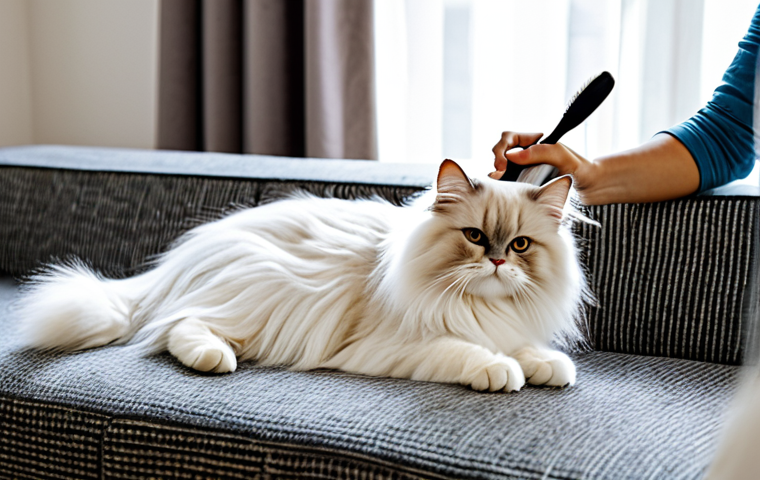
For instance, my long-haired Persian, Princess Fluffybutt (yes, that’s her real name!), requires a completely different approach than my short-haired tabby, Mr.
Wiggles.
Deciphering Coat Types
Not all fur is created equal! Long-haired breeds like Persians and Maine Coons need brushes that can reach through their thick coats to prevent matting.
Short-haired breeds, on the other hand, benefit from brushes that remove loose fur from the surface. Wire-haired cats have a coarser texture, and a rubber brush can work wonders.
Gauging Your Cat’s Tolerance
Some cats adore being brushed; others act like you’re trying to torture them. If your cat is in the latter camp, start slowly and use positive reinforcement.
A soft-bristled brush or a grooming glove might be less intimidating than a metal comb. I started by just letting Mr. Wiggles sniff the brush, then gently touching him with it, before even attempting to brush him.
Now he tolerates a quick brushing session.
The Lineup: My Favorite Brushes (and Why!)
Over the years, I’ve accumulated a small arsenal of cat brushes. Here are a few of my go-to options, based on personal experience:
Slicker Brushes: The Mat-Busting Champions
These brushes have fine, angled wire bristles that are great for removing mats and tangles, especially in long-haired cats. However, be careful not to apply too much pressure, as the bristles can irritate sensitive skin.
I use a slicker brush on Princess Fluffybutt about once a week to keep her coat tangle-free.
Deshedding Tools: Tackling the Fur-nado
If you’re battling serious shedding, a deshedding tool like the Furminator can be a lifesaver. These tools have fine teeth that grab loose undercoat fur, reducing shedding by a significant amount.
But again, proceed with caution! Overuse can irritate the skin, so limit yourself to once or twice a week. I actually saw my friend’s cat get a bald spot from this, so I am always careful.
Rubber Brushes: Gentle Grooming and Massage
Rubber brushes are a great option for cats who enjoy being brushed. The soft rubber bristles gently massage the skin while removing loose fur. They’re also easy to clean!
These are great for short haired cats or those with sensitive skin.
Grooming Gloves: The Stealth Approach
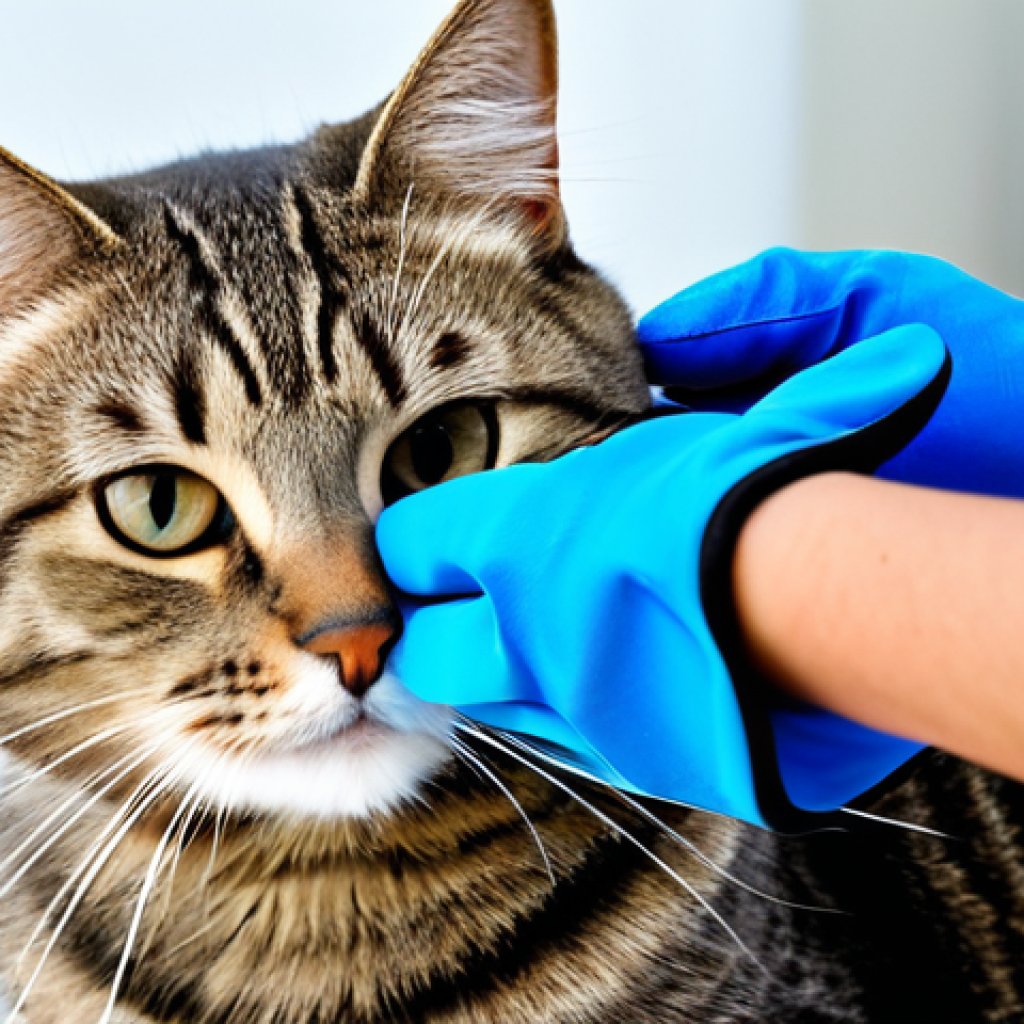
For cats who are wary of brushes, grooming gloves can be a game-changer. These gloves have rubber tips on the fingers and palm that gently remove fur as you pet your cat.
It feels more like a massage than a grooming session, which can make it more enjoyable for your feline friend. Mr. Wiggles actually purrs when I use a grooming glove on him!
How to Use a Grooming Glove Effectively
Start by letting your cat sniff and rub against the glove to get used to it. Then, gently stroke your cat with the glove, focusing on areas where they enjoy being petted, like their back and cheeks.
The loose fur will cling to the glove, which you can easily peel off and discard.
Benefits Beyond Fur Removal
Grooming gloves not only remove loose fur but also stimulate the skin, promoting healthy circulation and coat growth. Plus, they’re a great way to bond with your cat and build trust.
Comb Selection: Fine-Tuning Your Grooming
Combs are excellent for working through specific areas and identifying potential mats or tangles.
The Versatile Metal Comb
A metal comb with both wide and fine teeth is a must-have in any cat owner’s grooming kit. The wide teeth are great for detangling, while the fine teeth can remove loose fur and debris.
Flea Combs: More Than Just Flea Control
Flea combs have closely spaced teeth that can effectively remove fleas and flea dirt from your cat’s coat. They’re also useful for removing small mats and tangles around the face and ears.
The Importance of Regular Grooming: Beyond Aesthetics
Regular grooming isn’t just about keeping your cat looking good; it’s also crucial for their health and well-being.
Minimizing Hairballs: A Cat’s Worst Nightmare (and Yours!)
When cats groom themselves, they ingest loose fur, which can form hairballs in their digestive system. Regular brushing removes loose fur before your cat can swallow it, reducing the risk of hairballs.
Trust me, cleaning up a hairball is no fun for anyone!
Detecting Skin Problems Early
Grooming gives you the opportunity to check your cat’s skin for any signs of irritation, fleas, ticks, or other problems. Early detection is key to preventing these issues from becoming serious.
Keeping Your Brushes Clean: Hygiene Matters!
Just like any other grooming tool, cat brushes need to be cleaned regularly to prevent the spread of bacteria and fungi.
Simple Cleaning Solutions
Wash your brushes with warm, soapy water and allow them to air dry completely before using them again. You can also use a pet-safe disinfectant spray to sanitize your brushes.
Removing Embedded Fur
Use a comb or your fingers to remove embedded fur from the bristles of your brushes. For brushes with tightly packed bristles, a toothbrush can be helpful for cleaning out the debris.
Here’s a table summarizing the best uses for each type of brush:
| Brush Type | Best For | Frequency |
|---|---|---|
| Slicker Brush | Long-haired cats, mat removal | 1-2 times per week |
| Deshedding Tool | Heavy shedding, undercoat removal | 1-2 times per week |
| Rubber Brush | Short-haired cats, sensitive skin | Daily to weekly |
| Grooming Glove | Cats who dislike brushes, gentle grooming | Daily |
| Metal Comb | All coat types, detangling, finishing | As needed |
Building a Positive Grooming Routine: Patience is Key
Grooming should be a positive experience for both you and your cat. Here are a few tips for creating a relaxing grooming routine:
Choosing the Right Time
Pick a time when your cat is relaxed and receptive to being touched. Avoid grooming when they’re hungry, playful, or agitated. I find that grooming Mr.
Wiggles right after his afternoon nap works best.
Positive Reinforcement is Essential
Offer your cat treats and praise during grooming sessions to create positive associations. If they start to get stressed, stop and try again later. I often give Princess Fluffybutt a small piece of cooked chicken after each brushing session.
Choosing the right cat brush is an act of love and care. By understanding your cat’s coat type, sensitivity, and your grooming goals, you can create a positive and enjoyable grooming experience for both of you.
Happy brushing!
Wrapping Up
Ultimately, the best brush is the one your cat tolerates and that effectively removes loose fur. Experiment with different types and find what works best for your furry friend. Remember, grooming should be a bonding experience, not a battle! If you are looking for a specific brand, I would recommend starting with the Furminator. They’re a great starting point to see if your cat enjoys this type of grooming process.
Happy grooming, and may your floors be fur-free (or at least, fur-reduced)!
Good to Know Information
1. Always brush in the direction of the fur growth to avoid pulling or irritating the skin.
2. If you encounter a mat or tangle, use your fingers or a detangling spray to gently work it out before using a brush.
3. Reward your cat with treats and praise during and after grooming sessions to create positive associations.
4. Regular grooming can also help you bond with your cat and detect any health issues early on.
5. Keep a supply of your cats favorite treat on hand. After a nice brushing your cat is more likely to do what you ask.
Key Takeaways
Selecting the appropriate brush for your cat is based on hair length, breed, and skin sensitivity. The most important part of grooming, however, is making sure that your cat is comfortable. Always be on the lookout for changes in your cat’s skin that could indicate a more serious underlying medical problem.
Frequently Asked Questions (FAQ) 📖
Q: My cat hates being brushed! What can I do to make it a more positive experience?
A: Oh, I totally get that! Some cats are just divas about grooming. Start slow, and I mean really slow.
Just show them the brush, let them sniff it, and maybe give them a treat. Try a gentle stroke or two while they’re relaxed, like when they’re already purring on your lap.
End on a positive note, even if it’s just a few seconds. Make it a routine, but keep it short and sweet. High-value treats or catnip can work wonders as a distraction.
If they start getting agitated, stop immediately and try again later. Patience is key!
Q: There are so many different types of cat brushes. How do I choose the right one for my cat’s fur type?
A: This is a great question because not all brushes are created equal! For short-haired cats, a rubber grooming brush or a soft bristle brush is usually perfect for removing loose fur and adding shine.
If you’ve got a medium or long-haired cat, a slicker brush is a lifesaver for detangling and preventing mats. A deshedding tool like a Furminator can work wonders during shedding season to remove a significant amount of undercoat.
Honestly, it might take some experimentation to find what your cat likes best. Consider a multi-pack of grooming tools to test out different options.
Q: How often should I brush my cat?
A: It really depends on your cat and their fur type. Short-haired cats generally only need brushing once or twice a week to remove loose hair and keep their coat healthy.
Long-haired cats, on the other hand, benefit from daily brushing to prevent mats and tangles. During shedding season, you might need to brush them even more frequently.
Watch your cat’s coat and behavior. If you notice more shedding or they seem itchy, it’s probably time for a brushing session. Remember, a happy cat equals a happy owner!
📚 References
Wikipedia Encyclopedia