Oh, the joys of cat parenthood! There’s nothing quite like a purring furball snuggled up on your lap. But then, *gasp*, you run your hand through their beautiful coat and hit a snag – a dreaded mat!
We’ve all been there, right? That little knot can quickly turn into a painful mess for our feline friends, and honestly, it’s a headache for us too, trying to gently untangle it without upsetting them.
For years, I struggled, thinking mats were just an inevitable part of having a fluffy cat, especially during shedding season. But through countless brushes, a few exasperated trips to the groomer, and a whole lot of learning, I’ve discovered that prevention isn’t just possible, it’s actually quite simple when you know the secrets.
Forget those outdated methods or simply hoping for the best; the world of feline coat care has evolved, and there are some fantastic, stress-free ways to keep those magnificent coats smooth and tangle-free.
It’s about understanding their unique needs and equipping ourselves with the right knowledge and tools. Trust me, your kitty (and your sofa!) will thank you for it.
Let’s dive into the secrets of a mat-free coat and make grooming a purr-fectly pleasant experience for everyone involved!
Understanding Your Feline Friend’s Fur Type
The Long and Short of It: Identifying Coat Varieties
Just like we have different hair types, our beloved cats come in a magnificent array of coats, and understanding what you’re working with is the first, crucial step to mat prevention. Trust me, I learned this the hard way with my Maine Coon mix, Leo. When I first adopted him, I just assumed all long-haired cats needed the same intense brushing, but boy, was I wrong! A Persian’s dense, fine fur is a world away from a Ragdoll’s silky, semi-long coat, and each demands a different approach. Short-haired breeds like Abyssinians or British Shorthairs often have less matting trouble, but even they can get knots, especially if they’re a bit older or less flexible. Then there are the double-coated beauties, like some Siberians, whose lush undercoat is a prime candidate for tangles if not regularly maintained. If you’re not sure what kind of coat your cat has, spend some time observing it. Is it fine and prone to static? Thick and dense? Or somewhere in between? This isn’t just about aesthetics; it’s about their comfort and health. Ignoring their specific coat needs is like trying to use a paddle brush on super curly hair – it’s just not going to work out! Knowing your cat’s specific fur type will empower you to choose the right tools and techniques, ultimately making grooming a much more efficient and pleasant experience for both of you. It truly makes a world of difference!
Seasonal Changes and Shedding Cycles
Ah, the shedding season! If you’ve been a cat parent for any length of time, you know exactly what I’m talking about. It feels like your house is suddenly covered in a delightful, fluffy snowdrift, and your cat’s coat seems to go from sleek to shaggy overnight. This is when mats tend to appear most frequently because loose undercoat gets trapped in the outer guard hairs, forming stubborn knots. I remember one spring, I was so busy with work that I slacked off on brushing Leo for just a week, and boom – a huge mat formed right behind his ear, practically overnight! It was a painful reminder that consistency is key. Cats typically shed more intensely in spring to prepare for warmer weather and again in fall to grow in a thicker winter coat. Hormonal changes, diet, and even indoor heating can influence these cycles. Being aware of these natural rhythms allows you to ramp up your grooming efforts proactively, preventing those sneaky mats before they even have a chance to take hold. It’s all about staying one step ahead of nature, isn’t it? Being proactive during these periods will save you a lot of headache and your kitty a lot of discomfort, ensuring their beautiful coat stays that way year-round.
Building Your Essential Grooming Toolkit
The Right Brush for the Right Job
Okay, let’s be honest: walking into a pet store and seeing the wall of brushes can be totally overwhelming, right? There are slicker brushes, pin brushes, deshedding tools, combs… it’s a lot! But picking the right tool is paramount to effective mat prevention. I used to think any brush would do, but after a few frustrating attempts and seeing Leo visibly annoyed, I realized my mistake. For long-haired cats, a good quality metal comb with both wide and fine teeth is your best friend for detangling and checking for mats. For removing loose undercoat, especially during shedding season, a deshedding tool like a Furminator (used carefully and not too often!) can be incredibly effective. Slicker brushes are fantastic for removing loose hair and small tangles, giving that lovely fluffy finish. My personal favorite for daily maintenance is a soft bristled brush for a gentle massage that stimulates circulation and distributes natural oils. You wouldn’t use a toothbrush to comb your hair, and the same logic applies to your cat! Invest in a few different types, and you’ll be amazed at the difference it makes in keeping their coat pristine. Having the right tools makes the entire process smoother and more effective, turning grooming into a pleasant ritual.
Beyond Brushes: Shampoos, Conditioners, and Sprays
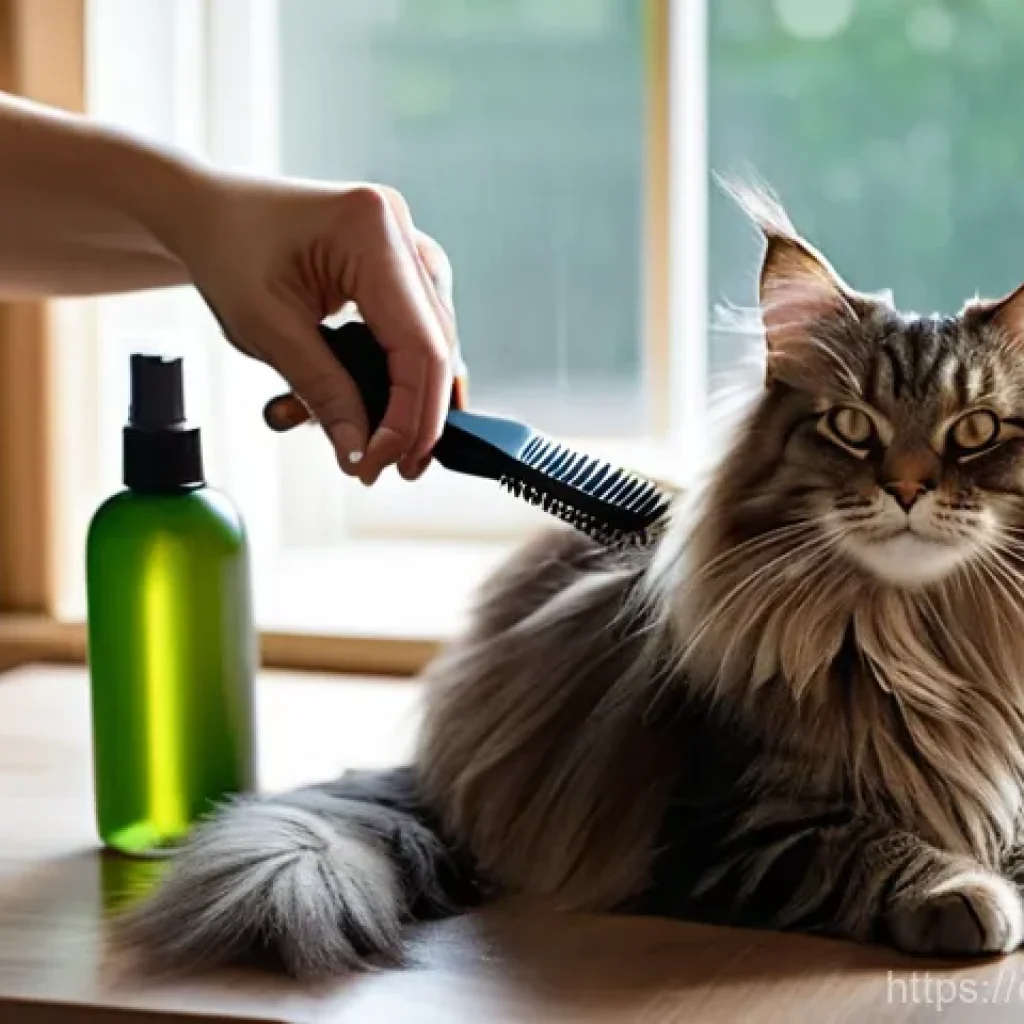
While brushing is undeniably the star of the show, there’s a whole supporting cast of products that can make a huge difference in preventing mats. I used to scoff at cat conditioners, thinking they were just for show, but after trying a conditioning spray on my notoriously static-prone cat, I was a convert! High-quality cat-specific shampoos can help keep their fur clean and manageable, but it’s the conditioners and detangling sprays that truly shine in mat prevention. They can help smooth the hair shaft, making it less likely to snag and tangle. Look for products designed to moisturize and strengthen the coat, especially if your cat has dry or brittle fur. And remember, always use products specifically formulated for cats! Our human shampoos can be too harsh and strip essential oils from their delicate skin. When using sprays, a light mist can often do the trick – you don’t want to soak them. I’ve found that a good detangling spray applied *before* brushing can make the whole process smoother and more comfortable for everyone involved, turning a potential struggle into a serene grooming session. It’s all about creating that slippy, less grippy texture that tangles hate, and these products are fantastic for that extra bit of help.
| Brush Type | Ideal For | Key Benefit for Mat Prevention |
|---|---|---|
| Slicker Brush | Long-haired cats, removing loose fur, small tangles | Excellent for detangling surface mats and removing shedding undercoat. |
| Metal Comb (Wide & Fine Teeth) | All coat types, checking for mats, intricate detangling | Penetrates deep into the coat to find hidden mats and gently separate fur. |
| Deshedding Tool (e.g., FURminator) | Double-coated cats, heavy shedding breeds | Efficiently removes vast amounts of loose undercoat, preventing mat formation. |
| Pin Brush | Medium to long-haired cats, gentle detangling | Good for general grooming and fluffing, less effective on dense mats. |
| Rubber Curry Brush | Short-haired cats, sensitive skin, stimulating circulation | Gathers loose fur and massages the skin, promoting healthy coat oils. |
Mastering the Gentle Art of Grooming Sessions
Making Brushing a Positive Experience
If your cat sees the brush and immediately bolts under the sofa, you’re definitely not alone! It took me a while to realize that grooming shouldn’t be a battle; it should be a bonding experience. The key is positive reinforcement and short, consistent sessions. Start small, perhaps just a minute or two, especially if your cat is new to brushing. Offer treats, gentle praise, and lots of cuddles during and after each session. I remember when Leo first started, he’d swat at the brush, but I never forced it. Instead, I’d just lay the brush near him, let him sniff it, and give him a treat. Slowly, I introduced light strokes, always stopping before he got agitated. Now, he practically demands his daily brush! The goal isn’t just to remove tangles, but to build trust and make grooming a pleasant ritual. Find a quiet time when your cat is relaxed, perhaps after a nap or a meal. Consistency truly pays off, transforming a dreaded chore into a delightful daily interaction. It’s amazing how much more cooperative they become when they associate brushing with positive things, not just getting their fur pulled, and establishing this positive foundation is truly invaluable for long-term success.
Targeting Trouble Spots and Knots
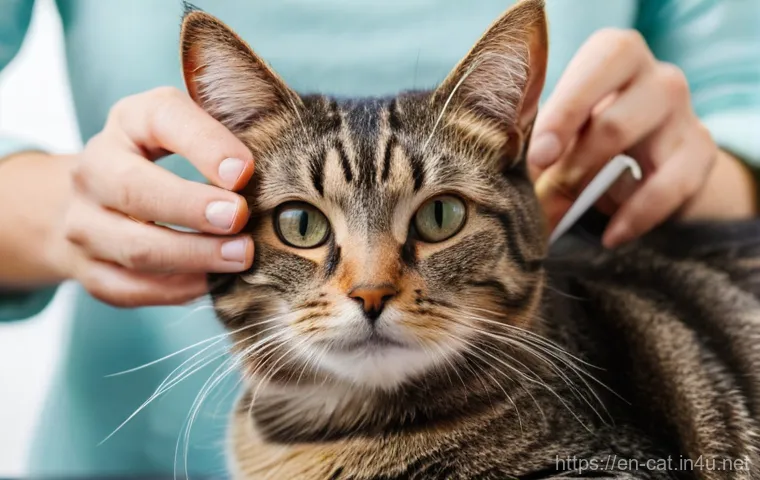
Okay, so even with regular brushing, those sneaky mats can sometimes appear. The most common trouble spots I’ve found are behind the ears, under the armpits, on the tummy, and around the “pants” (the fluffy fur on their back legs). These are areas where friction is high or where they can’t easily reach to groom themselves. When you find a mat, resist the urge to just yank at it – that’s a surefire way to make grooming a traumatic experience! Instead, approach it gently. Use a wide-toothed metal comb to try and tease apart the edges of the mat, working from the outside in. You can also try using a detangling spray to help loosen the fur. For really stubborn mats, sometimes a mat splitter or a safety razor designed for pets can be used, but this requires extreme caution and ideally, professional guidance. My advice? If a mat is tight against the skin or causing your cat pain, it’s always better to call your vet or a professional groomer rather than risk injuring your furball. Their comfort and safety should always come first, even if it means a trip to the salon, because a painful experience can set back all your positive grooming efforts.
Diet, Hydration, and Environmental Factors
The Inside Story: Nutrition for a Healthy Coat
You know the saying, “you are what you eat”? Well, the same goes for our cats! A shiny, healthy, mat-resistant coat often starts from the inside out. I used to focus solely on external grooming, but once I started paying closer attention to Leo’s diet, I noticed a significant improvement in his fur quality. High-quality cat food rich in essential fatty acids, like Omega-3 and Omega-6, can dramatically improve coat health, making the fur stronger, shinier, and less prone to breakage and matting. Look for foods that list real meat as the first ingredient and avoid excessive fillers. Supplements like fish oil or specific skin and coat supplements can also be beneficial, but always check with your vet before introducing new supplements. I’ve personally seen how adding a small amount of salmon oil to Leo’s food has made his fur incredibly soft and less prone to static, which in turn reduces tangles. A well-nourished coat is simply more resilient and easier to maintain, making your grooming efforts much more effective in the long run. It’s like having a good foundation for your house – everything else just works better, and it’s a foundational step towards a truly healthy, mat-free coat.
Humidity and Hygiene: Creating an Optimal Environment
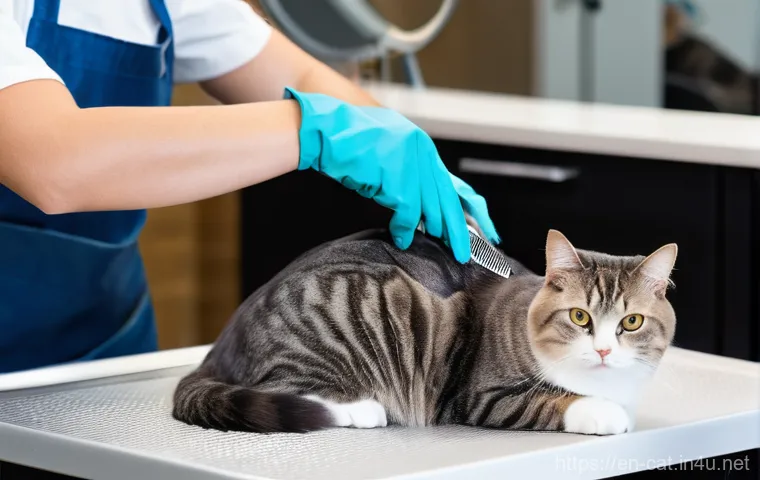
It’s easy to overlook, but your cat’s living environment plays a surprisingly big role in their coat health. Things like humidity levels, dust, and even the cleanliness of their living space can impact how prone their fur is to matting. Dry air, especially in heated homes during winter, can lead to static electricity, which makes fur stand up and tangle more easily. I’ve noticed a huge difference in Leo’s coat since I started using a humidifier in our living room during the drier months. Regularly cleaning your cat’s bedding and grooming tools also prevents the buildup of loose hair, dust, and dander, which can all contribute to mat formation. Think about it: if your cat is lying on a dusty bed, that dust can get trapped in their fur. Moreover, keeping an eye on their general hygiene, especially around their litter box area, is important. While cats are meticulous self-groomers, sometimes accidents happen, and a soiled coat is a matted coat waiting to happen. A little attention to their surroundings can go a long way in keeping their magnificent fur pristine and free from those annoying knots. It’s a holistic approach to their well-being, where every detail contributes to a healthier, happier cat.
When Professional Help is the Best Option
Knowing When to Seek a Professional Groomer
Listen, as much as we try to be super-parents to our furballs, there are times when even the most dedicated among us need to call in the cavalry. If you’ve got a really severe mat, one that’s tight against the skin, causing pain, or simply too large for you to safely handle, it’s absolutely time to book an appointment with a professional groomer. I once tried to tackle a deep mat on Leo’s hind leg, and after about five minutes of him squirming and me panicking, I threw in the towel. Best decision ever! Professional groomers have specialized tools, training, and experience to safely and gently remove even the most stubborn mats without stressing out your cat or risking injury. They can also offer services like lion cuts for severely matted cats, which sounds dramatic but can be a huge relief for a painfully tangled kitty. Think of it as investing in your cat’s comfort and your own peace of mind. Plus, they can often give you personalized tips for your cat’s specific coat type, which is invaluable. Don’t feel like a failure for seeking help; it’s a sign of a responsible and loving pet parent who puts their cat’s welfare first, even if it means delegating a tricky task.
Veterinary Intervention for Skin Issues
Sometimes, matting isn’t just about a lack of brushing; it can be a symptom of an underlying health issue. If your cat is suddenly developing mats more frequently, if their skin under the mats looks red, inflamed, or irritated, or if they’re showing signs of pain or discomfort during grooming, a trip to the vet is definitely in order. Conditions like skin allergies, fungal infections, parasites, or even mobility issues (making it harder for them to self-groom) can all contribute to excessive matting. I had a friend whose senior cat started developing mats very rapidly, and it turned out she had arthritis, making it painful for her to bend and groom certain areas. The vet was able to provide medication for the arthritis, and with some adjusted grooming, the matting improved dramatically. Your vet can diagnose any underlying medical conditions and recommend appropriate treatment, which might include medicated shampoos or other therapies. They can also safely sedate a cat if mat removal is too painful or stressful, ensuring a humane experience. It’s a gentle reminder that their coat health is often a reflection of their overall well-being, so don’t hesitate to consult a professional for a comprehensive check-up.
Making Grooming a Purr-fectly Positive Experience
Gentle Introductions and Positive Reinforcement
I know I’ve touched on this before, but seriously, positive reinforcement is the secret sauce to a stress-free grooming routine. When I first started brushing Leo, it was a bit of a dance – him trying to escape, me trying to keep him still. But I quickly realized that if I wanted this to be a regular, pleasant part of our lives, I needed to make it *his* idea, or at least, something he didn’t dread. Start by simply showing them the brush. Let them sniff it. If they investigate, give a treat. Gradually, introduce a single stroke, followed immediately by praise and a reward. Keep sessions super short, especially at the beginning, maybe just 30 seconds to a minute. The goal is to build up positive associations. High-value treats, like Churu or small pieces of cooked chicken, work wonders. Never force it or punish them if they’re uncooperative; that just creates negative associations and makes future sessions even harder. I’ve found that soft, reassuring words and a calm demeanor really help. It’s about slowly desensitizing them and showing them that brushing means good things are coming, not just an uncomfortable tugging session. Over time, you’ll find them actually enjoying their grooming time, purring away as you work! This shift from dread to delight is truly the most rewarding part of consistent, positive grooming.
Establishing a Routine and Staying Consistent
Consistency, my friends, is absolutely non-negotiable when it comes to preventing mats. Think of it like brushing your own hair – you wouldn’t go weeks without doing it, right? While daily brushing might not be necessary for every cat, establishing a regular routine, whether it’s every other day or a few times a week, is paramount. I’ve found that setting a specific time each day for Leo’s brush, usually in the evening when he’s winding down, really helps. He knows what to expect, and it becomes a predictable, comforting part of his day. Even just a quick five-minute session can make a world of difference, preventing those tiny tangles from turning into full-blown mats. During shedding season, you’ll definitely want to ramp up those sessions. The trick is to integrate it into your daily life so it doesn’t feel like a chore. The more consistent you are, the less effort each session requires because you’re catching tangles before they become problematic. This isn’t just about aesthetics; regular grooming also allows you to check for any lumps, bumps, or skin issues that might otherwise go unnoticed. It’s an investment in their long-term health and happiness, and honestly, it strengthens your bond too, as they learn to trust and enjoy this shared experience with you.
글을마치며
Whew, we’ve covered a lot, haven’t we? From understanding different fur types to building your grooming arsenal and even knowing when to call in the pros, preventing mats in your cat’s coat is truly a labor of love. It’s not just about aesthetics; it’s about their comfort, their health, and that precious bond you share. I’ve seen firsthand how a little bit of consistent effort, coupled with patience and the right approach, can transform grooming from a chore into a cherished moment. Remember, every purr, every relaxed stretch during a brushing session, is a testament to your dedication. You’re not just a pet owner; you’re their primary caregiver, and by mastering these tips, you’re ensuring your furry family member lives their happiest, healthiest, and most tangle-free life.
알아두면 쓸모 있는 정보
1. Regularly check your cat’s common trouble spots – behind the ears, armpits, belly, and ‘pants’ – as these are prime locations for mats to form due to friction and less self-grooming. A quick daily check can prevent small tangles from becoming big problems.
2. Introduce grooming tools gradually and positively. Let your cat sniff the brush, offer treats, and keep initial sessions very short. Building positive associations is key to a stress-free experience for both of you.
3. Invest in high-quality, cat-specific grooming tools appropriate for your cat’s fur type. A good metal comb, slicker brush, and potentially a detangling spray can make a world of difference in preventing and managing tangles.
4. Consider your cat’s diet and environment. A diet rich in Omega fatty acids supports a healthy coat from within, and controlling humidity (especially in dry climates) can reduce static electricity that contributes to matting.
5. Don’t hesitate to seek professional help from a groomer or vet for severe mats or if you suspect an underlying health issue. Their expertise can prevent pain and stress for your cat, ensuring their well-being is always the top priority.
중요 사항 정리
Ultimately, maintaining your cat’s magnificent coat is a journey, not a destination, and it’s one that truly enriches the bond you share. I’ve learned through countless purrs and a few exasperated sighs that patience, consistency, and a deep understanding of your feline friend’s unique needs are your most powerful tools. Remember that choosing the right grooming instruments is half the battle; a slicker brush isn’t going to magically fix everything if you don’t use it regularly! Building those positive associations with treats and gentle praise transforms grooming from a dreaded chore into a delightful ritual. And please, don’t ever feel guilty about asking for help; professional groomers and vets are invaluable resources, especially when dealing with those really stubborn mats or suspecting a health issue. Your cat’s comfort and health should always be paramount, and a happy, mat-free kitty is a true testament to your loving care. Trust me, the effort you put in now will pay dividends in purrs and cuddles for years to come, making both your lives a little bit smoother.
Frequently Asked Questions (FAQ) 📖
Q: My cat keeps getting mats, even with brushing! What am I doing wrong, and why do they form so easily?
A: Oh, I totally get this frustration! It feels like you’re doing everything right, and then bam, another mat. From what I’ve learned over the years and through my own fluffy furballs, mats are often caused by a few key things.
Firstly, shedding season, usually spring and fall, is a big culprit. That dead undercoat hair can get trapped in the topcoat and clump together if not removed regularly.
Also, if your cat’s fur gets dirty or a bit oily, it can contribute to tangling. I remember one of my cats, Whiskers, used to get mats in the strangest places, like under his legs and belly, which are high-movement areas where fur rubs and gets more easily tangled.
But here’s a big one that many of us overlook: sometimes, mats are a red flag for underlying health issues. Older cats, those with arthritis, dental problems, or who are overweight, often struggle to groom themselves thoroughly.
They just can’t reach all those tricky spots, which makes matting inevitable. If your cat suddenly starts getting mats when they didn’t before, it’s definitely worth a vet visit to rule out any health concerns.
My vet once told me that matting can even be a sign of systemic illness. So, while brushing is great, if mats persist, it might be more than just a fur problem!
Q: I’m desperate to avoid mats – what are the real secrets to keeping my cat’s fur tangle-free?
A: You’re asking the right question, because prevention truly is the best medicine when it comes to mats! The biggest secret, and I can’t stress this enough, is consistent, regular brushing.
For long-haired breeds like my beautiful Maine Coon mix, daily brushing is almost non-negotiable, especially during shedding seasons. Short-haired cats can often get away with a few times a week.
It’s all about removing that loose hair before it has a chance to clump and tangle. I’ve found that using the right tools makes a world of difference.
A good quality slicker brush is fantastic for tackling loose undercoat, and a de-matting comb can help you gently work through any tiny knots before they become major problems.
I personally love a fine-toothed metal comb for checking those sensitive areas after a good brush. Another thing that’s made a huge impact on my cats’ coat health is their diet.
Feeding them high-quality food, perhaps even with Omega-3 fatty acids, can promote a healthier, stronger coat that’s less prone to matting. And don’t forget those treats!
Making grooming a positive experience with rewards from kittenhood onward can make future sessions a breeze.
Q: Help! I’ve found a mat that’s already formed. How can I safely get rid of it without turning it into a wrestling match?
A: Oh, the dreaded discovery of an existing mat! We’ve all been there, and it can be a tricky situation. First and foremost, resist the urge to grab scissors!
Cat skin is incredibly thin and loose, and it’s shockingly easy to cut them, which can lead to pain, infection, and a very unhappy kitty. Trust me, I learned that the hard way many years ago.
For small, loose mats, I start by gently sprinkling a little cornstarch or pet-safe detangling powder directly onto the mat. This can help loosen the hair.
Then, using a fine-toothed comb, start from the very edges of the mat, working your way in, a few hairs at a time. Always hold the fur closest to the skin with one hand to prevent pulling on their delicate skin.
Patience is key here! Short, calm sessions are far more effective than trying to do it all at once and stressing your cat out. Offer breaks and plenty of treats.
If the mat is large, tight, or very close to the skin, honestly, it’s best to call in the professionals. A professional groomer or your veterinarian has specialized clippers that can safely shave out those stubborn mats without injuring your cat.
Sometimes, a severely matted cat might even need sedation at the vet for humane removal. Remember, their comfort and safety come first. It’s always better to be safe than sorry, and a good groomer can work wonders!