Keeping an eye on your cat’s water intake is more important than many pet owners realize. Just like us, cats need proper hydration to stay healthy, avoid kidney issues, and maintain their overall well-being.
But cats are notorious for drinking less water than they should, especially if they mainly eat dry food. Monitoring their water consumption can help catch early signs of health problems before they become serious.
If you’ve ever wondered how to track this effectively or what normal water intake looks like for your feline friend, you’re in the right place. Let’s dive into the details and uncover how to ensure your cat stays perfectly hydrated!
Understanding Your Cat’s Daily Water Needs
How Much Water Should a Cat Drink?
Cats generally require about 50 to 60 milliliters of water per kilogram of their body weight every day. For example, a typical 4-kilogram cat would need roughly 200 to 240 milliliters of water daily.
But this number can fluctuate based on factors like diet, activity level, and environment. Cats eating wet food naturally get more moisture through their meals, so their water intake from drinking may be lower.
On the other hand, cats on a dry food diet must drink more to compensate for the lack of moisture in their kibble. It’s important to remember that cats don’t always drink water on demand like dogs or humans, so their hydration habits can be quite subtle and vary greatly.
Signs Your Cat May Not Be Drinking Enough
One tricky thing is that cats are masters at hiding illness, and insufficient water intake can sneak up without obvious signs. Look for clues like lethargy, dry gums, decreased appetite, or concentrated, dark urine.
These may point to dehydration or early kidney stress. If you notice your cat’s water bowl consistently untouched or they seem to prefer licking water from unusual sources, it could signal a problem.
Sometimes, behavioral changes such as increased irritability or hiding might also be linked to discomfort from dehydration. Being vigilant about these subtle signs can help you act before serious health issues develop.
The Role of Environment and Lifestyle
Your cat’s environment plays a significant role in their hydration habits. Indoor cats tend to drink less than outdoor cats, partly because their activity levels are usually lower and the ambient temperature is controlled.
However, dry indoor air, especially in winter, can increase the need for water. Additionally, cats that are more active or stressed may drink more or less, respectively.
Even the type of water source—like a fountain versus a still bowl—can influence how much your cat drinks. I’ve personally noticed my cat drinks far more when I use a flowing water fountain compared to a regular bowl, which has helped keep her hydrated.
Effective Techniques for Tracking Your Cat’s Water Intake
Using a Measured Water Bowl
One of the simplest ways to monitor your cat’s water consumption is by using a water bowl with measurement markings or by filling a regular bowl with a set amount of water each day.
Then, measure what’s left after 24 hours to estimate how much your cat drank. This method requires consistency but is straightforward and reliable for most cat owners.
It’s helpful to record the daily intake over a week or two to notice patterns or sudden drops. I recommend placing the bowl in a quiet, familiar spot to encourage regular drinking and avoid spillage that can skew your measurements.
Keeping a Hydration Log
Maintaining a hydration diary can be surprisingly helpful, especially if you have multiple cats or your pet’s health is a concern. Note down each day’s water intake, any changes in behavior, and diet adjustments.
This log becomes invaluable information for your veterinarian if you ever need to discuss your cat’s health. Personally, I use a simple app on my phone to jot down these details, which makes it easier to track trends over time without losing data.
Combining this with notes on litter box habits gives a fuller picture of your cat’s hydration status.
Technology to Assist Monitoring
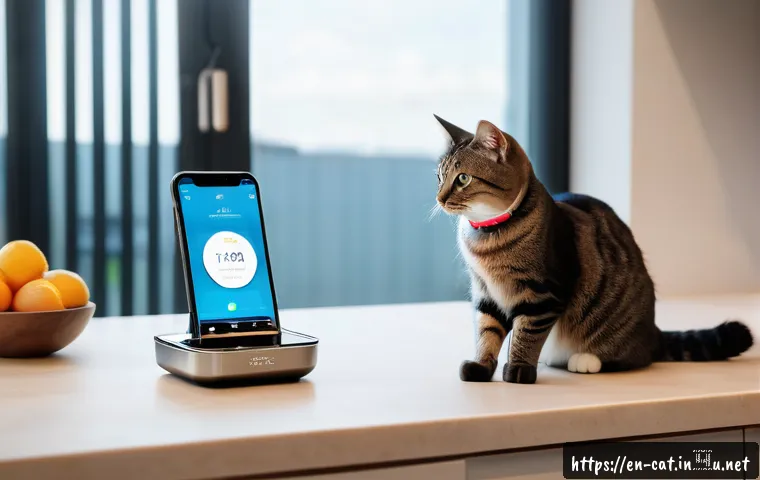
If you’re tech-savvy, there are smart water bowls and pet monitoring devices that can track your cat’s drinking habits automatically. These gadgets can alert you via smartphone if your cat’s intake drops below a certain threshold or if the water level is low.
While they come at a higher price point, they can be worth it for peace of mind, especially for cats with chronic health issues. From my experience, these devices work best when paired with regular manual checks, as sometimes sensors can misread or fail to capture all drinking events, especially if your cat prefers multiple water sources.
How Diet Influences Hydration Levels
The Impact of Dry vs. Wet Food
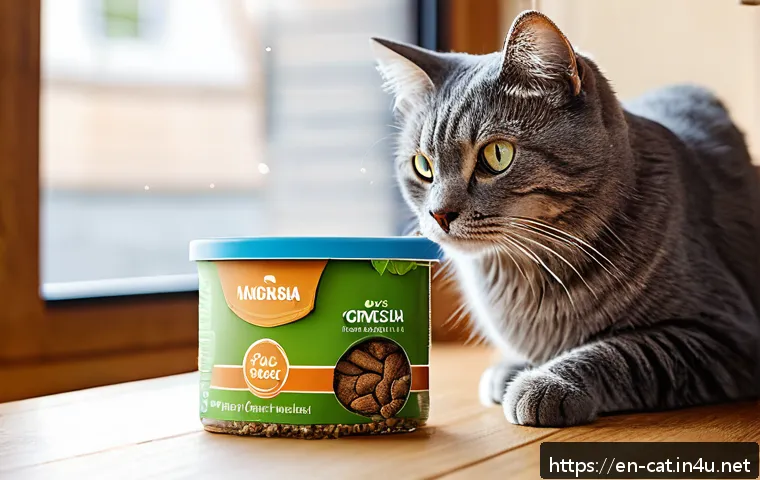
Cats fed primarily on dry kibble usually need to drink more water to stay hydrated because dry food contains only about 10% moisture. Wet food, by contrast, can contain up to 80% water, significantly contributing to your cat’s hydration.
If your cat mostly eats dry food and isn’t drinking enough, it can lead to dehydration over time. Transitioning some or all of their meals to wet food often helps boost water intake naturally.
I’ve observed that cats who switched to a diet with more wet food showed improved energy levels and healthier-looking coats, likely linked to better hydration.
Adding Water to Meals
If your cat is a dry food lover, try mixing water or low-sodium broth into their meals. This simple trick can increase their overall water intake without relying solely on drinking bowls.
Some cats find the added moisture more palatable, encouraging them to consume more. I started doing this with my cat when she was a bit finicky, and it made a noticeable difference in her willingness to eat and drink.
Just be sure to introduce changes gradually to avoid digestive upset.
Hydration-Boosting Treats and Supplements
There are also special hydration treats and supplements designed to promote water intake in cats. These often contain electrolytes and flavors that appeal to feline palates.
While not a replacement for fresh water, they can be a useful supplement, especially in warmer months or if your cat is recovering from illness. I’ve tried a few different brands and found that rotating treats keeps my cat interested and ensures she stays hydrated even when she’s less inclined to drink plain water.
Recognizing Warning Signs and When to Seek Help
Early Indicators of Dehydration
Early dehydration in cats can be subtle but catching it can prevent serious issues. Signs include sunken eyes, dry or tacky gums, reduced skin elasticity (you can gently pinch the skin between the shoulder blades to check), and decreased urination.
If you notice these, increasing water availability immediately and monitoring your cat’s behavior is crucial. In my experience, acting quickly and offering extra fluids can often reverse mild dehydration without veterinary intervention.
When to Contact Your Veterinarian
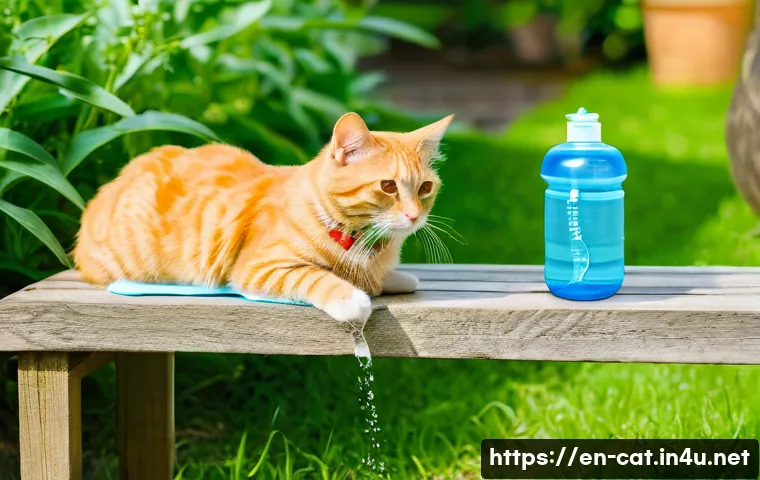
If your cat shows persistent signs of dehydration, vomiting, diarrhea, lethargy, or refuses to drink water for more than 24 hours, it’s time to call your vet.
These symptoms can indicate underlying conditions such as kidney disease, urinary tract infections, or diabetes. Early diagnosis and treatment are vital.
I once delayed a vet visit thinking my cat was just “being finicky,” and it turned out she had a urinary blockage, which required emergency care. Don’t hesitate to get professional advice if you’re worried.
Emergency Hydration Options
In some cases, your vet may recommend subcutaneous fluids or intravenous therapy to rehydrate your cat quickly. These treatments are common for cats with kidney problems or severe dehydration.
While not something you can do at home without training, understanding these options can prepare you for emergencies. I was taught how to administer subcutaneous fluids for my senior cat, which gave me peace of mind and helped maintain her hydration between vet visits.
Encouraging Your Cat to Drink More Water
Choosing the Right Water Bowl
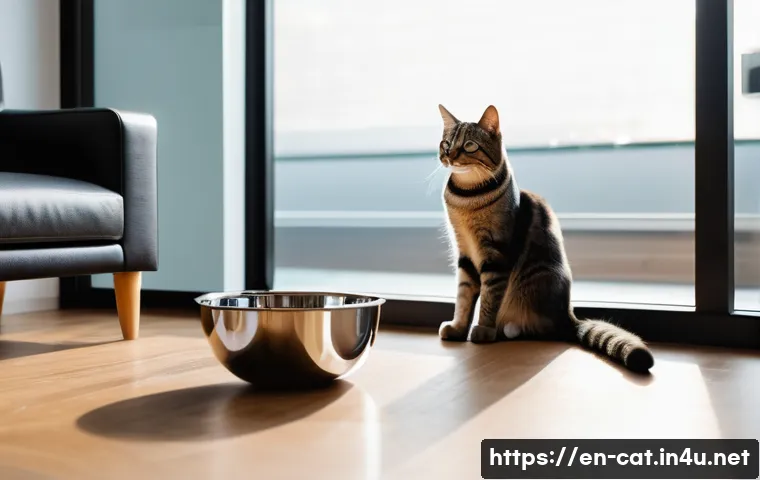
Believe it or not, the type of water bowl can make a huge difference. Cats often prefer ceramic, glass, or stainless steel bowls over plastic because they don’t retain odors and are easier to clean.
Some cats are sensitive to the taste or smell of plastic and may avoid drinking from such bowls altogether. I switched to a stainless steel bowl after noticing my cat ignored her old plastic one, and her water intake increased noticeably.
Introducing Water Fountains
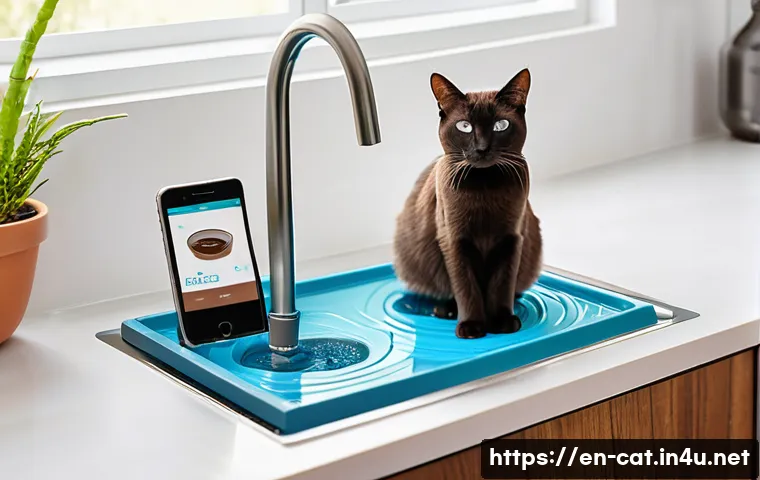
Water fountains mimic running water, which many cats instinctively prefer. The gentle movement keeps water fresh and oxygenated, making it more appealing.
After adding a fountain to my home, I noticed my cat spent more time drinking throughout the day. Fountains can also help prevent stagnant water, reducing the risk of bacterial growth.
Just keep them clean and filled regularly to maintain their effectiveness.
Multiple Water Stations Around the House
Cats can be picky about where they drink. Placing several water bowls in different locations encourages more frequent drinking. Some cats prefer quiet, secluded spots, while others like to drink near their food or litter box.
I’ve learned that spreading out water sources prevents territorial issues if you have multiple cats and increases overall hydration. Just be sure to clean and refill each bowl daily to keep water fresh.
Typical Water Consumption Benchmarks for Cats
Average Daily Intake by Weight
Cats’ water needs scale roughly with their size, but individual differences matter. Below is a helpful guide to average daily water intake based on weight:
| Cat Weight (kg) | Water Intake (ml/day) |
|---|---|
| 2 | 100 – 120 |
| 3 | 150 – 180 |
| 4 | 200 – 240 |
| 5 | 250 – 300 |
| 6 | 300 – 360 |
Adjusting for Activity and Climate
Keep in mind, warmer weather or increased physical activity raises hydration requirements. Cats living in hot climates or those who spend time outdoors may need significantly more water.
Conversely, sedentary indoor cats in cooler environments might drink less. I found that during summer months, my cat’s water consumption doubled, which meant more frequent bowl refills and attention to hydration became critical.
Monitoring Intake for Senior Cats
Older cats often have altered thirst mechanisms and may drink less despite needing more fluids due to declining kidney function. Regularly monitoring water intake in senior cats is essential.
Providing wet food, fountains, and multiple water stations can greatly help. My elderly cat’s vet recommended these strategies, and her hydration levels improved, resulting in better energy and fewer urinary issues.
In Conclusion
Ensuring your cat stays properly hydrated is essential for their overall health and well-being. Understanding their water needs, recognizing warning signs, and encouraging better drinking habits can make a significant difference. With a little attention and the right tools, you can help your feline friend maintain optimal hydration every day.
Useful Tips to Remember
1. Monitor your cat’s daily water intake using a measured bowl or hydration log to spot any changes early.
2. Provide multiple water sources around your home, including fountains, to encourage frequent drinking.
3. Adjust your cat’s diet by incorporating wet food or adding water to dry kibble to boost hydration naturally.
4. Pay attention to subtle signs of dehydration like lethargy or changes in urine, and act promptly if you notice anything unusual.
5. Consult your veterinarian if dehydration symptoms persist or if your cat refuses to drink for more than a day.
Key Takeaways
Proper hydration is vital for cats, especially as they age or face health challenges. Regularly tracking water consumption and making simple environmental or dietary adjustments can prevent dehydration and related illnesses. Being proactive and attentive to your cat’s habits ensures they stay healthy and comfortable, saving you from potential emergencies down the line.
Frequently Asked Questions (FAQ) 📖
Q: How much water should my cat drink daily?
A: On average, a healthy cat drinks about 3.5 to 4.5 ounces of water per 5 pounds of body weight daily. However, this can vary depending on their diet—cats eating mostly wet food usually drink less because wet food contains moisture, while those on dry food need to drink more.
Keep in mind that factors like activity level, age, and environment can also influence their water needs. Watching your cat’s habits over time will give you the best sense of what’s normal for them.
Q: What are some signs my cat isn’t drinking enough water?
A: If your cat is dehydrated, you might notice symptoms like lethargy, dry or sticky gums, sunken eyes, or decreased skin elasticity (you can gently pinch the skin at the back of their neck to check).
Also, if your cat suddenly starts urinating less or has darker urine, it could be a warning sign. Sometimes they may hide or seem irritable. If you observe any of these signs, it’s a good idea to consult your vet promptly because dehydration can lead to serious health issues.
Q: How can I encourage my cat to drink more water?
A: From personal experience, switching up water bowls to ones made of ceramic or stainless steel can make a difference—some cats don’t like plastic. Placing multiple water stations around the house and adding a cat water fountain often entices them to drink more because they prefer running water.
You can also try mixing a bit of low-sodium broth into their water or feeding more wet food. Just remember, patience is key; it might take a few days for your cat to adjust to new water sources or habits.