Cats are more than just adorable companions—they have complex emotional lives that deserve our attention. Just like us, they can experience stress, anxiety, and even depression.
Understanding the signs of mental distress in your feline friend is crucial for their overall well-being. Taking proactive steps to nurture their emotional health can lead to a happier, more balanced pet.
From environmental enrichment to gentle social interaction, there are many ways to support your cat’s mental wellness. Let’s dive into the details and explore how to keep your cat’s mind as healthy as their body!
Recognizing Emotional Signals in Cats
Behavioral Changes to Watch For
Cats are masters at hiding discomfort, but shifts in their behavior can be loud signals of emotional distress. For instance, a usually sociable cat suddenly avoiding interaction or hiding in unusual spots might be overwhelmed by anxiety or stress.
Similarly, increased aggression or irritability can indicate that your feline is struggling mentally. Changes in grooming habits are also telling—excessive licking or complete neglect of grooming often point to underlying emotional turmoil.
I remember when my cat started scratching furniture more than usual and seemed restless at night; it took me a while to realize she was feeling stressed due to changes at home.
Observing these signs carefully can guide you in providing the right support.
Physical Symptoms Linked to Mental Health
Sometimes, emotional struggles manifest physically. Loss of appetite, unexplained weight changes, or sudden lethargy can hint at depression or anxiety in cats.
Digestive issues like vomiting or diarrhea without an apparent medical cause may also stem from stress. When my cat stopped eating her favorite treats and became unusually withdrawn, I took her to the vet, only to learn it was stress-related.
Understanding that emotional health impacts physical wellness is crucial; it prompts timely intervention before problems escalate.
Vocalization Patterns as Clues
Cats often use their voices to express how they feel. Excessive meowing, yowling, or unusual vocal tones can indicate distress. For example, a cat that suddenly becomes more vocal at night or during times when it previously was quiet might be experiencing anxiety or loneliness.
On the other hand, a normally talkative cat becoming silent could signal depression. From my experience, paying attention to these vocal cues helped me adjust my cat’s environment and reduce her nighttime vocalizations significantly.
Creating a Stimulating Home Environment
Importance of Enrichment Activities
A stimulating environment is vital for keeping a cat’s mind sharp and emotions stable. Simple additions like puzzle feeders, interactive toys, and climbing structures can dramatically reduce boredom and stress.
Cats thrive on challenges that mimic hunting or problem-solving. I once introduced a treat-dispensing toy, and my cat’s engagement skyrocketed, leading to a noticeable drop in destructive behavior.
The key is variety and rotation—keeping toys fresh and interesting prevents monotony and encourages mental exercise.
Safe Spaces and Retreats
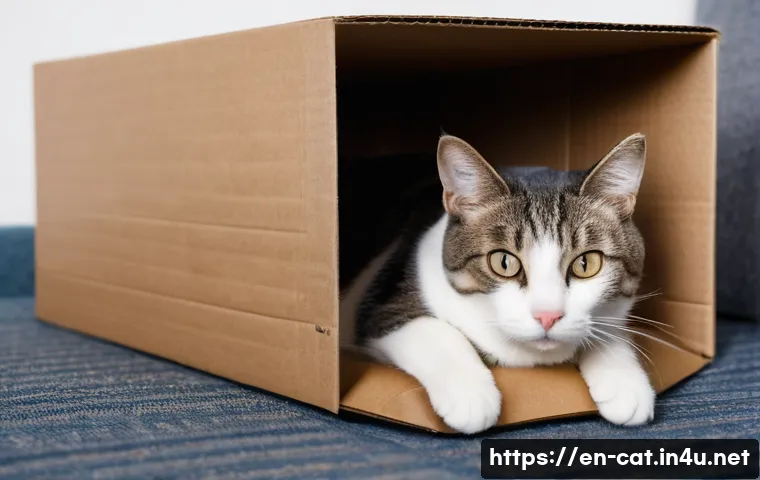
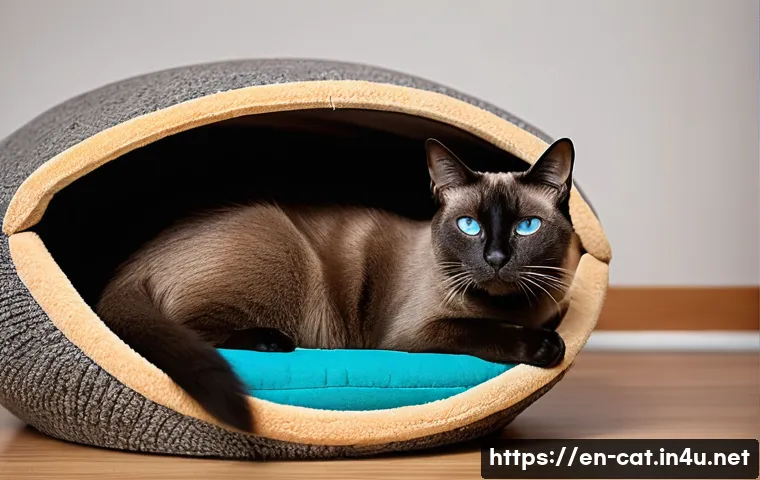
Cats need places where they feel secure to retreat when overwhelmed. Providing cozy hideouts, such as covered beds or quiet corners, allows them to decompress.
I noticed my cat gravitated to a small box during stressful times, which reminded me to create more such nooks around the house. These safe zones help reduce anxiety and give cats control over their environment, which is critical for emotional balance.
Impact of Environmental Consistency
Cats are creatures of habit, and sudden changes can unsettle them deeply. Keeping feeding times, play sessions, and litter box locations consistent creates a reassuring routine.
When we moved homes, my cat showed signs of distress until we re-established familiar routines. Gradual introductions to new environments or changes can ease transitions and maintain emotional stability.
Building Trust Through Social Interaction
Reading Your Cat’s Social Cues
Understanding when your cat wants attention versus when it prefers solitude is essential. Cats communicate through body language—tail position, ear orientation, and eye contact provide clues about their mood.
I learned to respect my cat’s signals, like when she flicks her tail or blinks slowly, indicating comfort or irritation. Responding appropriately strengthens your bond and reassures your cat emotionally.
Gentle Play and Positive Reinforcement
Engaging in gentle, interactive play fosters trust and releases feel-good hormones in cats. Using wand toys or feather teasers can stimulate natural hunting instincts without overwhelming them.
I found that praising and offering treats during play sessions helped my cat associate positive emotions with interaction, boosting her confidence and reducing anxiety.
Introducing New People or Pets Carefully
New additions to the household can be stressful for cats. Slow, controlled introductions help ease anxiety and prevent territorial conflicts. When we brought home a new kitten, we separated them initially and allowed gradual scent exchanges, which significantly lowered tension.
Patience and observation during these transitions are key to maintaining mental well-being.
Nutrition and Its Role in Mental Well-being
Balanced Diet for Brain Health
Proper nutrition supports not only physical health but also cognitive function and mood regulation in cats. Diets rich in omega-3 fatty acids, antioxidants, and essential vitamins can improve brain function and reduce stress.
I switched to a high-quality food formulated for cognitive support after noticing my cat’s lethargy, and her energy and mood improved noticeably within weeks.
Hydration and Digestive Health
Adequate water intake is often overlooked but crucial for overall well-being. Dehydration can lead to irritability and exacerbate stress-related behaviors.
Wet food can help increase hydration, especially for cats reluctant to drink water. I started incorporating wet meals into my cat’s diet, and it helped stabilize her digestion and mood.
Supplements That May Help
Certain supplements, such as L-theanine, tryptophan, or valerian root, have calming effects on cats. While I always consult a vet before adding supplements, I noticed that introducing a calming aid during stressful events like vet visits or thunderstorms made a significant difference in my cat’s anxiety levels.
Professional Support and When to Seek It
Recognizing When Help Is Needed
Sometimes, despite your best efforts, a cat’s emotional distress may require professional intervention. Signs like persistent aggression, self-harm, or refusal to eat warrant a veterinary behaviorist’s evaluation.
I’ve seen friends struggle with cats showing destructive anxiety behaviors, and getting expert help transformed their pets’ quality of life.
Behavioral Therapy and Training
Certified animal behaviorists can offer tailored strategies to manage stress and anxiety. Techniques such as desensitization or counter-conditioning can retrain fearful or anxious cats.
I once worked with a behaviorist to help a shy cat acclimate to visitors, and the gradual approach led to remarkable improvement.
Medications and Their Role
In some cases, veterinarians may recommend medications to manage severe anxiety or depression. These should always be a last resort and carefully monitored.
I’ve learned that combining medication with environmental and behavioral changes yields the best outcomes, ensuring the cat’s comfort and safety.
Understanding the Impact of Routine and Play on Cat Mood
Consistency as Emotional Anchor
Cats find comfort in predictability. Regular feeding, play, and rest times act as emotional anchors, reducing stress and preventing mood swings. My experience shows that even minor disruptions in routine can unsettle cats, so maintaining consistency is a simple yet powerful tool.
Play as Emotional Outlet
Playtime is not just fun—it’s a vital emotional outlet. Engaging your cat in daily play helps release pent-up energy and frustration. I noticed that after introducing short play sessions multiple times a day, my cat’s overall mood brightened, and she became less prone to anxious behaviors.
Interactive Play Versus Solo Play
While solo toys are useful, interactive play with owners strengthens emotional bonds and provides social stimulation. I’ve found that my cat craves these shared moments, which help her feel secure and valued.
Balancing both play types caters to mental and emotional needs effectively.
Environmental Triggers and How to Minimize Them
Identifying Stressors in Your Home
Common household elements like loud noises, unfamiliar visitors, or other pets can trigger stress in cats. Observing your cat’s reactions helps pinpoint these triggers.
I realized that loud vacuuming sessions were a major source of anxiety for my cat, so I adjusted cleaning times accordingly.
Strategies to Reduce Environmental Stress
Simple changes like using white noise machines, pheromone diffusers, or creating quiet zones can alleviate stress. I tried a pheromone diffuser during fireworks season, and it noticeably calmed my cat’s nerves.
These small adjustments can make a big emotional difference.
Managing Multi-Pet Households
Living with multiple pets requires careful management to prevent rivalry and stress. Providing separate resources, such as litter boxes, feeding areas, and resting spots, reduces competition.
From personal experience, ensuring each cat has its own space minimizes tension and supports better emotional health.
| Sign of Emotional Distress | Possible Cause | Recommended Action |
|---|---|---|
| Excessive Hiding | Stress, Anxiety, Illness | Provide safe spaces, consult vet if persistent |
| Aggression or Irritability | Fear, Pain, Territorial Issues | Behavioral training, vet check-up |
| Changes in Grooming | Stress, Depression, Skin Issues | Environmental enrichment, vet visit |
| Loss of Appetite | Depression, Medical Problems | Monitor closely, seek veterinary advice |
| Excessive Vocalization | Anxiety, Loneliness | Increase interaction, provide toys |
Conclusion
Understanding your cat’s emotional signals is key to nurturing a happy and healthy companion. By observing behavior, providing enriching environments, and responding with patience, you can greatly improve your cat’s well-being. Remember, emotional health is just as important as physical health for our feline friends. Taking proactive steps helps build a stronger bond and a more balanced life for your cat.
Useful Information to Keep in Mind
1. Cats often hide emotional distress through subtle behavior changes, so careful observation is essential to catch early signs.
2. Providing a variety of stimulating toys and safe retreats helps reduce stress and keeps your cat mentally engaged.
3. Maintaining consistent daily routines gives cats a sense of security and minimizes anxiety.
4. Social interactions that respect your cat’s cues foster trust and strengthen your relationship.
5. When emotional challenges persist, consulting a veterinarian or behaviorist ensures proper care and support.
Key Takeaways
Recognizing and responding to your cat’s emotional needs is a continuous process that requires attentiveness and empathy. Creating a stable, enriched environment combined with gentle social interaction forms the foundation of emotional wellness. Consistency in routine and nutrition further supports mental balance. Don’t hesitate to seek professional help when necessary, as early intervention can prevent serious behavioral or health issues. Ultimately, your commitment to understanding and supporting your cat’s emotional health leads to a happier, more harmonious life together.
Frequently Asked Questions (FAQ) 📖
Q: What are the common signs that my cat might be experiencing stress or anxiety?
A: Cats often show subtle signs when they’re stressed or anxious. You might notice changes in their behavior such as hiding more than usual, decreased appetite, excessive grooming, or sudden aggression.
They may also vocalize differently, become less playful, or have trouble sleeping. Personally, I once had a cat who started scratching the furniture obsessively when stressed—it was her way of coping.
Observing these shifts early helps you intervene before things escalate.
Q: How can I create an environment that supports my cat’s mental well-being?
A: Creating a stimulating and safe environment is key. This includes providing vertical spaces like cat trees, interactive toys, and cozy hiding spots. I found that rotating toys every few days keeps my cats engaged and prevents boredom.
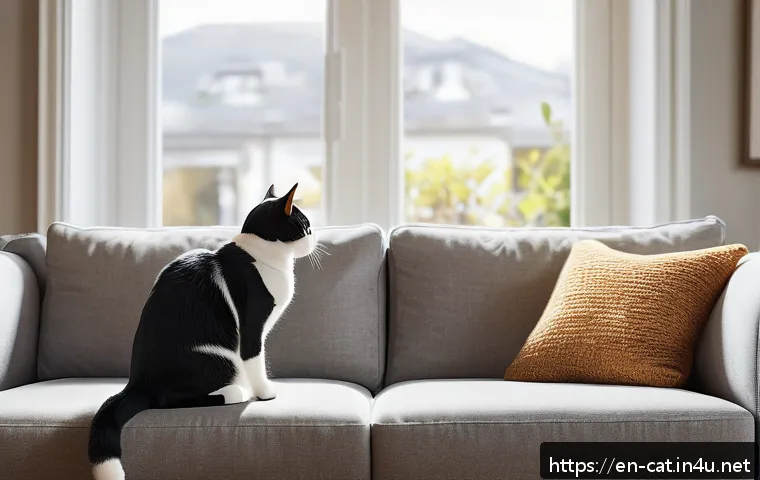
Also, maintaining a consistent routine around feeding and playtime reduces anxiety. Simple things like a window perch where they can watch birds or the outside world make a huge difference in keeping their minds active and relaxed.
Q: When should I consider consulting a veterinarian or a pet behaviorist about my cat’s emotional health?
A: If your cat shows persistent changes in behavior that last more than a couple of weeks, such as loss of appetite, aggressive outbursts, or withdrawal, it’s a good idea to seek professional advice.
I’ve learned that sometimes what looks like just “moodiness” can be linked to underlying medical issues or deeper psychological problems. A vet can rule out health concerns, and a behaviorist can provide tailored strategies to help your cat feel secure and happy again.
Don’t hesitate to reach out—it’s worth it for your furry friend’s peace of mind.