Have you noticed your cat acting out of the ordinary lately? Sudden shifts in behavior can be puzzling and sometimes worrying for any pet owner. With more people working from home and spending increased time with their furry friends, these changes have become a hot topic among cat lovers.
Understanding what’s behind these unexpected behaviors can not only ease your mind but also strengthen the bond you share. In this post, we’ll dive into the surprising reasons your cat might be acting differently and what you can do to help.
Let’s explore these hidden causes together to ensure your feline companion stays happy and healthy.
Changes in Your Cat’s Environment
New People or Pets in the Household
When a new person moves in or you bring another pet into the home, your cat’s world suddenly shifts. Cats are creatures of habit, and unfamiliar faces can trigger anxiety or territorial behavior.
You might notice your cat hiding more often, vocalizing loudly, or even becoming more clingy. These reactions stem from their need to reestablish safety and control in their environment.
From my experience, giving your cat gradual introductions and safe spaces can help ease this transition. Patience is key because rushing the process might only stress them out further.
Changes in Daily Routine
Even small changes in your schedule—like working from home, irregular feeding times, or altered play sessions—can confuse your cat. They quickly pick up on shifts in household energy, which might make them act restless or withdrawn.
For example, I once noticed my cat becoming unusually vocal and demanding attention when I started working late hours. Maintaining consistent feeding and playtime routines helped calm her down and restored a sense of normalcy.
Environmental Stressors
Loud noises, new furniture, or even seasonal changes can affect your cat’s behavior. Some cats react strongly to loud construction sounds or fireworks, becoming jittery or hiding for hours.
I’ve seen cats refuse to eat or use the litter box properly when overwhelmed by environmental changes. Ensuring a quiet, cozy retreat and minimizing sudden disruptions can make a huge difference in their comfort level.
Health Issues Hidden Behind Behavior Changes
Physical Discomfort and Pain
Cats are masters at hiding pain, but subtle behavior changes can give it away. If your cat suddenly becomes aggressive, less active, or starts grooming excessively, it could be a sign of discomfort.
I once had a cat who started limping and became withdrawn; a vet visit revealed arthritis. Catching these signs early can prevent suffering and improve their quality of life.
Regular check-ups are essential, especially as cats age.
Dental Problems
Dental issues often go unnoticed until they cause significant distress. Changes like drooling, bad breath, or reluctance to eat hard food are clues. I noticed my cat dropping food and pawing at her mouth, which led to a dental cleaning and extraction.
After treatment, her mood and appetite improved dramatically. Monitoring oral health is critical since pain can cause behavioral shifts.
Underlying Illnesses
Sometimes, diseases like hyperthyroidism, kidney disease, or urinary tract infections manifest as behavior changes. For instance, increased vocalization, frequent litter box use, or aggression might indicate discomfort or confusion caused by illness.
In my experience, prompt veterinary diagnosis and treatment can reverse these changes and bring your cat back to their usual self.
Emotional and Psychological Factors
Stress and Anxiety Triggers
Cats can experience stress from changes like moving to a new home, loud visitors, or even conflicts with other pets. Stress often shows up as excessive grooming, hiding, or aggression.
I had a cat who stopped eating and became lethargic during a home renovation; calming pheromone diffusers and quiet spaces helped her cope. Recognizing stress signals early can prevent long-term emotional issues.
Loneliness and Boredom
Especially for indoor cats, lack of stimulation can lead to destructive behavior or excessive meowing. I noticed my cat became restless and scratched furniture more when I was busy with work.
Adding interactive toys, puzzle feeders, and regular playtime helped reduce her frustration and improve her mood. Cats need mental and physical engagement to stay happy.
Changes in Social Bonds
Cats may act differently if they feel neglected or if their favorite human is absent. When I traveled for a week, my cat became clingier and more vocal upon my return.
This behavior stems from their need for reassurance and connection. Spending quality time, even if brief, can reinforce your bond and reduce anxiety.
Dietary and Nutritional Influences
Food Preferences and Sensitivities
A sudden change in appetite or food refusal can point to dietary issues. Cats may develop sensitivities or allergies that cause digestive upset or skin problems, leading to altered behavior.
I once switched my cat’s food too quickly, and she started vomiting and acting lethargic. Slowly transitioning diets and observing reactions can prevent these problems.
Dehydration and Feeding Patterns
Cats often don’t drink enough water, which can affect their energy levels and mood. I noticed my cat became less playful and more withdrawn during hot weather until I introduced a water fountain.
Feeding smaller, frequent meals also helped maintain her energy throughout the day. Proper hydration and feeding routines are critical for their wellbeing.
Supplement and Medication Effects
Sometimes, medications or supplements can cause side effects like lethargy or irritability. When my cat was on antibiotics, she seemed more subdued and less interested in play.
Always consult your vet about possible behavioral changes when starting new treatments, and monitor your pet closely.
Communication and Social Interaction Shifts
Changes in Vocalization Patterns
Increased meowing, yowling, or purring can indicate various emotional or physical states. I remember my cat’s sudden loud meows at night were due to cognitive decline as she aged.
Understanding the context of vocal changes can guide you in providing comfort or seeking medical advice.
Altered Play and Hunting Behavior
Cats may lose interest in toys or become overly aggressive during play if something’s off. I once noticed my cat attacking my hand instead of her toys, which turned out to be frustration from a lack of stimulation.
Providing diverse toys and interactive play helps maintain healthy behavior.
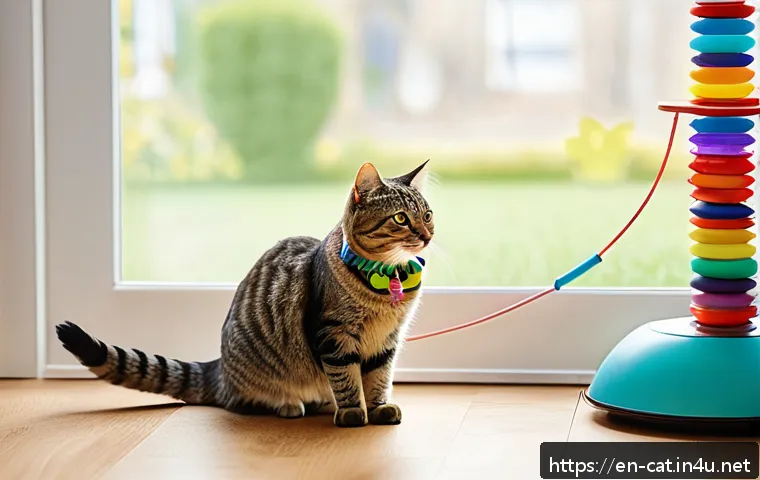
Body Language and Affection Levels
Shifts in how your cat approaches you—whether more distant or clingy—reflect their current emotional state. I had a cat who suddenly avoided petting due to arthritis pain, while another became more affectionate after recovering from illness.
Paying attention to these cues can improve your relationship and help you respond appropriately.
Seasonal and Age-Related Changes
Effects of Seasonal Transitions
Changes in daylight, temperature, and humidity can influence your cat’s activity and mood. Some cats become more lethargic during colder months or more restless in spring.
I observed my cat sleeping more in winter and seeking sunny spots, which is perfectly normal. Adjusting their environment to seasonal needs can keep them comfortable.
Behavioral Changes with Aging
Older cats often show shifts in behavior due to cognitive decline, arthritis, or sensory loss. My senior cat started forgetting litter box locations and became more vocal at night.
These signs require patience and sometimes veterinary support to manage. Providing a calm, accessible environment improves their quality of life.
Adaptations to Physical Limitations
As cats age, reduced mobility or vision can cause anxiety or changes in activity levels. I noticed my cat’s reluctance to jump or climb, so I added ramps and cozy low beds.
These small adjustments help them maintain independence and confidence.
| Cause | Common Signs | Recommended Actions |
|---|---|---|
| Environmental Changes | Hiding, vocalizing, clinginess | Gradual introductions, safe spaces, consistent routines |
| Health Issues | Aggression, lethargy, grooming changes | Veterinary check-ups, pain management, dental care |
| Emotional Stress | Excessive grooming, hiding, destructive behavior | Calming aids, playtime, quiet retreat areas |
| Dietary Problems | Appetite changes, vomiting, lethargy | Slow food transition, hydration, vet consultation |
| Social Interaction | Vocal changes, aggression, altered affection | Interactive play, attention, understanding body language |
| Seasonal/Age Factors | Lethargy, confusion, mobility issues | Environmental adjustments, veterinary care, patience |
Practical Tips to Support Your Cat Through Changes
Maintaining a Predictable Routine
Cats thrive on predictability, so keeping feeding, play, and rest times consistent can reduce anxiety. I’ve found that even minor shifts in routine can unsettle my cats, so I try to stick to a schedule as much as possible.
This predictability creates a sense of security that helps them cope with other changes.
Creating Safe and Stimulating Environments
Offering hiding spots, vertical spaces, and interactive toys keeps your cat mentally and physically engaged. I recently added a window perch for my cat, which she loves for bird-watching and sunbathing.
These enrichments reduce boredom and stress, making behavioral issues less likely.
Seeking Professional Advice When Needed
If behavioral changes persist or worsen, consulting a veterinarian or animal behaviorist is crucial. My experience showed that some issues are medical, while others require behavioral training.
Early intervention often leads to better outcomes and a happier cat.
Understanding Your Cat’s Unique Personality
Recognizing Individual Differences
Every cat is unique, and what’s normal behavior for one might be unusual for another. My shy cat handles change differently than my outgoing one, so tailoring your approach to their personality is important.
Observing and respecting their preferences fosters trust and comfort.
Building Strong Communication
Learning to interpret your cat’s signals—like tail position, ear movement, and vocal tone—enhances your connection. I’ve noticed that subtle changes in my cat’s body language often warn me of discomfort or anxiety before it becomes obvious.
This awareness helps me respond proactively.
Adapting to Evolving Needs
As your cat grows and circumstances shift, their needs will change. I’ve adjusted my cats’ environments, diets, and interaction styles multiple times to suit their life stages.
Being flexible and attentive ensures they remain content and well cared for throughout their lives.
In Conclusion
Understanding the various factors that influence your cat’s behavior is essential for maintaining their well-being. Whether it’s environmental changes, health concerns, or emotional needs, recognizing the signs early can make a big difference. With patience and attentive care, you can help your feline friend adapt smoothly to life’s ups and downs. Your bond will grow stronger as you respond thoughtfully to their unique personality and needs.
Helpful Information to Keep in Mind
1. Gradual introductions and consistent routines are key when your cat faces changes in their environment.
2. Pay close attention to subtle behavior shifts that may signal health problems requiring veterinary care.
3. Emotional well-being is just as important as physical health; reducing stress through enrichment and quiet spaces benefits your cat greatly.
4. Proper diet, hydration, and monitoring medication effects support overall behavior and vitality.
5. Learning your cat’s unique communication style helps you respond effectively and strengthens your relationship.
Key Takeaways
Changes in a cat’s behavior often reflect underlying causes such as environmental shifts, health issues, emotional stress, or aging. Addressing these factors with patience, consistent care, and professional guidance when necessary ensures your cat’s comfort and happiness. Tailoring your approach to your cat’s individual personality and needs will promote a strong, trusting bond and a fulfilling life together.
Frequently Asked Questions (FAQ) 📖
Q: Why has my cat suddenly become more withdrawn or less social?
A: Cats can become withdrawn for several reasons, such as stress from changes in their environment, illness, or aging. If you’ve recently moved, added a new pet, or changed your routine, your cat might feel unsettled and prefer solitude.
Additionally, health issues like dental pain or urinary problems often cause cats to hide more. Observing any other symptoms and consulting your vet can help pinpoint the cause and get your furry friend back to their usual self.
Q: What could cause my cat to start acting aggressively out of nowhere?
A: Sudden aggression in cats often stems from fear, pain, or frustration. If your cat is in pain due to an injury or medical condition, they might lash out when touched.
Sometimes, overstimulation during play or too much excitement can also trigger aggressive behavior. It’s important to monitor the context of these outbursts and ensure your cat has a calm, safe space.
A vet checkup is advisable to rule out any physical issues, and behavior modification techniques can help ease aggression over time.
Q: How can I help my cat adjust to changes in our home or routine?
A: Cats thrive on routine, so any change can be stressful. To ease transitions, introduce new elements gradually and maintain familiar aspects like feeding times and favorite resting spots.
Providing plenty of enrichment—like interactive toys or climbing structures—can keep your cat mentally stimulated and less anxious. Spending extra quality time with gentle play or grooming reassures your cat they’re loved and safe.
If your cat shows prolonged signs of distress, seeking advice from a feline behaviorist or your vet can make a big difference.