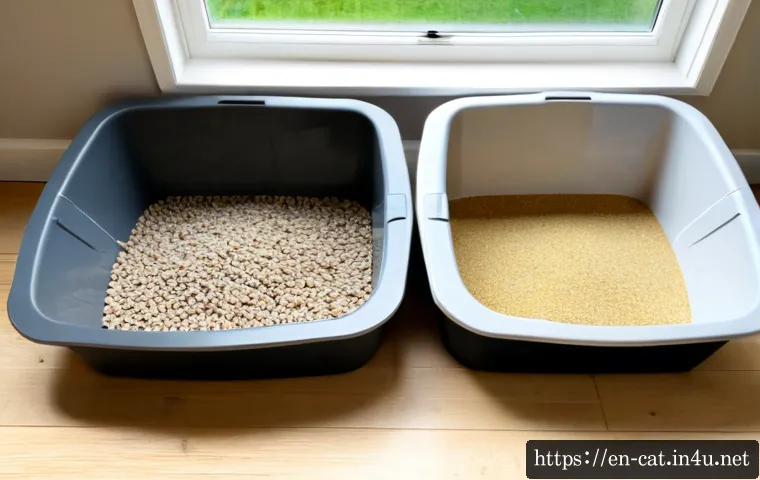
With pet healthcare constantly evolving, more cat owners are seeking reliable information on spaying and neutering their furry friends. If you’re preparing for this important step, understanding what happens before, during, and after surgery can ease your worries and help your cat recover smoothly.
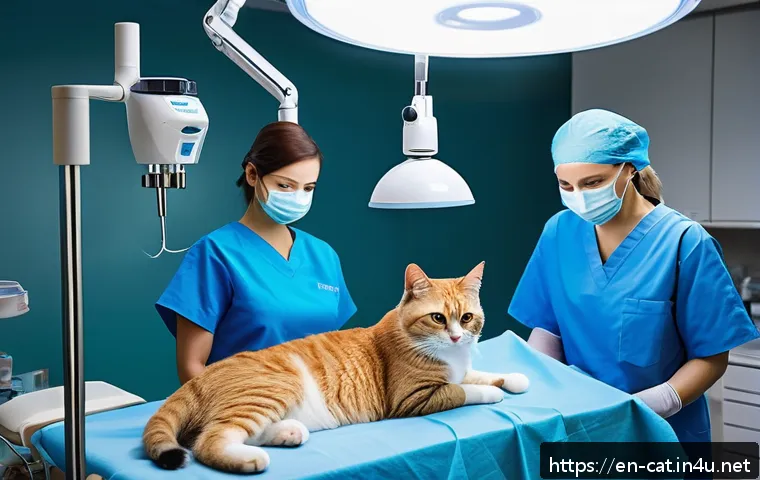
From pre-surgery tips to post-operative care, this guide covers everything you need to know. Stick around to get practical advice that can make a real difference in your cat’s wellbeing and your peace of mind.
Let’s dive into the essentials that every responsible cat owner should be aware of.
Preparing Your Cat for Surgery: What You Need to Know
Scheduling and Pre-Surgery Checkups
Before booking the spay or neuter surgery, it’s crucial to schedule a thorough health check with your vet. This includes blood work to confirm your cat is healthy enough to undergo anesthesia, and a physical exam to detect any underlying issues that might complicate surgery.
From my own experience, early detection of minor health problems helped avoid last-minute cancellations and ensured a smoother operation day. Remember to discuss your cat’s current medications and diet with your vet to adjust anything necessary before the procedure.
Fasting and Home Preparation
Most vets recommend withholding food for at least 8 to 12 hours before surgery to reduce anesthesia risks. Water, however, can usually be given up until a few hours prior.
It’s helpful to prepare a quiet, comfortable space at home for your cat to recover post-surgery, complete with soft bedding and limited access to stairs or high places.
I found that setting up this recovery zone a day ahead eased my cat’s transition from the vet back home, reducing stress and promoting rest.
Transporting Your Cat Safely
Transporting your cat on surgery day requires a secure carrier and a calm approach. Use familiar blankets or toys inside the carrier to comfort your cat.
Driving gently and speaking softly can help keep anxiety at bay. When I took my cat for surgery, keeping the car environment quiet and relaxed made a noticeable difference in her behavior upon arrival.
What Happens During the Surgery
Anesthesia and Monitoring
During spaying or neutering, your cat will be placed under general anesthesia. The vet team continuously monitors vital signs such as heart rate, breathing, and oxygen levels throughout the procedure.
This close attention minimizes risks and helps detect any issues immediately. From what I’ve seen, a well-monitored surgery means fewer complications and faster recovery.
The Surgical Process Explained
For females, spaying involves removing the ovaries and usually the uterus, which prevents pregnancy and reduces certain health risks. In males, neutering means removing the testicles, which lowers hormone-driven behaviors and health concerns.
The surgery typically lasts about 30 minutes to an hour, depending on your cat’s age and size. My cat’s surgery was surprisingly quick, which was reassuring as a pet owner.
Post-Surgery Recovery at the Clinic
After the operation, your cat will be moved to a recovery area where the vet staff monitors her as she wakes from anesthesia. This period is critical to ensure she regains consciousness safely and comfortably.
Usually, cats stay at the clinic for a few hours until they can walk and respond normally. I recall waiting anxiously but was relieved when my cat was alert and ready to go home within a few hours.
Essential Post-Operative Care Tips
Managing Pain and Discomfort
Your vet will likely prescribe pain relief medications to keep your cat comfortable. It’s important to follow the dosage instructions carefully and watch for any signs of adverse reactions.
In my experience, providing a calm environment and gentle petting helped soothe my cat’s discomfort alongside the medication.
Monitoring the Surgical Site
Check the incision daily for swelling, redness, or discharge. Mild swelling is normal, but any oozing or foul smell could indicate infection. To prevent your cat from licking or scratching the wound, your vet may recommend an Elizabethan collar.
I found that distracting my cat with toys and treats helped her tolerate the collar better than expected.
Activity Restrictions and Nutrition
Limiting your cat’s activity is vital for proper healing. Avoid letting her jump or run excessively for at least 10 to 14 days. Feeding a balanced diet and maintaining hydration support recovery.
I noticed that smaller, more frequent meals worked well for my cat during this period, as she seemed less interested in eating right after surgery.
Recognizing and Responding to Complications
Signs That Need Immediate Attention
While most cats recover without problems, certain symptoms require prompt veterinary care. These include heavy bleeding, persistent vomiting, lethargy, or difficulty breathing.
After my cat’s surgery, I kept a close eye and contacted the vet immediately when she seemed unusually quiet and refused food, which helped address a minor complication early.
When to Follow Up With Your Vet
Routine post-op checkups are usually scheduled 7 to 10 days after surgery to remove stitches or confirm healing. Even if everything looks fine, this visit is key to ensure no hidden issues are developing.
From personal experience, attending these follow-ups gave me peace of mind and allowed the vet to give tailored advice for ongoing care.
Understanding the Long-Term Benefits of Spaying and Neutering

Health Advantages for Your Cat
Spaying and neutering significantly reduce risks of certain cancers, infections, and hormone-related diseases. Females avoid uterine infections and breast tumors, while males have lower chances of prostate problems.
I’ve seen firsthand how these surgeries contribute to a longer, healthier life for cats.
Behavioral Improvements
These procedures often decrease unwanted behaviors such as spraying, roaming, and aggression. My neutered male became noticeably calmer and more affectionate, which improved our bond and made daily life easier.
Community and Population Impact
By spaying or neutering your cat, you help reduce the number of homeless animals and ease the burden on shelters. This responsible choice benefits not just your pet but the broader community, something I felt proud to contribute to as a cat owner.
Post-Surgery Supplies and Environment Setup
Creating a Comfortable Recovery Space
A quiet corner with soft bedding, low light, and minimal noise helps your cat relax and heal. I used a small room away from the household hustle to give my cat privacy and security during her recovery.
Essential Items to Have on Hand
Stock up on an Elizabethan collar, prescribed medications, and easy-to-clean bedding. Providing familiar toys can distract and comfort your cat. When I prepared these items in advance, the post-op period felt more manageable and less stressful.
Adjusting Household Routines
Keep other pets away from your recovering cat to prevent accidental injury or stress. Limit visitors and loud activities. From what I experienced, a calm household environment made a big difference in how quickly my cat bounced back.
Timeline for Recovery: What to Expect Each Week
Immediate Days After Surgery
The first 48 hours are crucial. Your cat may be groggy, reluctant to eat, and want extra rest. Gentle interaction and pain management are key.
I noticed my cat slept much more than usual but gradually perked up by day three.
One Week Post-Op
By this time, swelling and redness should decrease. Activity can increase slightly but still avoid vigorous play. My vet recommended light interaction and monitoring for any wound issues.
Two Weeks and Beyond
Most cats resume normal behavior and activity within two weeks. The incision should be fully healed, and stitches removed if needed. I was thrilled to see my cat back to her playful self, signaling a successful recovery.
| Recovery Stage | Typical Duration | Key Care Tips | What to Watch For |
|---|---|---|---|
| Pre-Surgery Preparation | 1-3 days before | Fasting, vet checkups, calm environment | Health issues, stress signs |
| Immediate Post-Surgery | First 48 hours | Pain meds, rest, monitoring incision | Excessive bleeding, lethargy |
| Early Recovery | 3-7 days | Limited activity, wound care, follow-up visit | Swelling, infection signs |
| Full Recovery | 10-14 days | Resume normal diet and play, stitch removal | Behavior changes, wound reopening |
Conclusion
Preparing your cat for surgery takes careful planning and attention to detail, but it’s well worth the effort for their health and happiness. By understanding the process and following post-operative care guidelines, you can help your feline friend recover smoothly and comfortably. Remember, staying calm and informed makes a big difference for both you and your cat during this time.
Helpful Information to Know
1. Always schedule a pre-surgery health check to ensure your cat is fit for anesthesia and surgery.
2. Follow your vet’s instructions on fasting and create a quiet recovery space at home.
3. Use a secure carrier and calm approach when transporting your cat to reduce stress.
4. Monitor your cat’s incision daily and administer pain medication as prescribed.
5. Attend all follow-up visits to confirm proper healing and address any concerns early.
Key Takeaways
Proper preparation before surgery, including vet checkups and fasting, is essential to minimize risks. Post-surgery, managing pain, limiting activity, and monitoring the surgical site are critical for a smooth recovery. Recognizing signs of complications early and following up with your vet ensures your cat stays healthy. Finally, spaying or neutering benefits your cat’s long-term well-being and contributes positively to your community.
Frequently Asked Questions (FAQ) 📖
Q: uestions about Cat Spaying and NeuteringQ1: How should I prepare my cat before the spaying or neutering surgery?
A: Preparing your cat properly can make a big difference. Typically, your veterinarian will advise fasting your cat for about 8 to 12 hours before surgery to reduce anesthesia risks.
Make sure your cat has a comfortable and calm environment leading up to the day, minimizing stress. Also, arrange for safe transportation to and from the vet.
If your cat is on any medication or has health issues, inform your vet beforehand. Personally, I found that talking softly and offering gentle affection helped keep my cat calm before the procedure.
Q: What can I expect during the surgery, and is it painful for my cat?
A: Spaying and neutering are routine surgeries performed under general anesthesia, so your cat won’t feel any pain during the operation. The vet removes the reproductive organs—ovaries and uterus for females, testicles for males—to prevent reproduction.
The procedure usually lasts between 20 to 60 minutes depending on your cat’s size and age. Post-surgery, your cat might feel groggy or disoriented as the anesthesia wears off, but pain management is provided by the vet.
From my experience, watching my cat recover with minimal discomfort was reassuring, especially knowing it’s a common and safe procedure.
Q: What kind of care does my cat need after the surgery to ensure smooth recovery?
A: Post-operative care is crucial for a quick and comfortable recovery. Keep your cat indoors and restrict physical activity for at least a week to prevent injury to the incision site.
Monitor the surgical area daily for redness, swelling, or discharge, and contact your vet if you notice anything unusual. Prevent your cat from licking or biting the stitches by using an Elizabethan collar if recommended.
Provide plenty of fresh water and a quiet space to rest. In my case, following these steps helped my cat heal swiftly with no complications, and she was back to her playful self in no time.