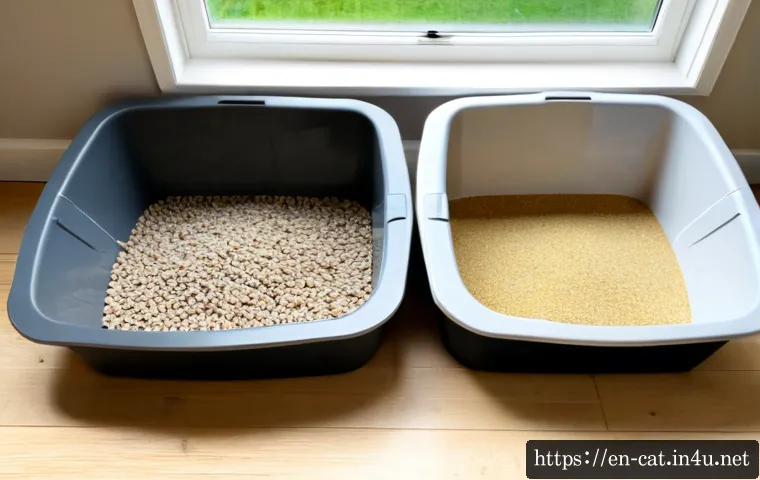
Clumping clay, silica crystals, tofu, paper, pine, and corn litter each solve different problems. Compare odor control, dust, tracking, cat comfort, disposal limits, and typical monthly costs before choosing.
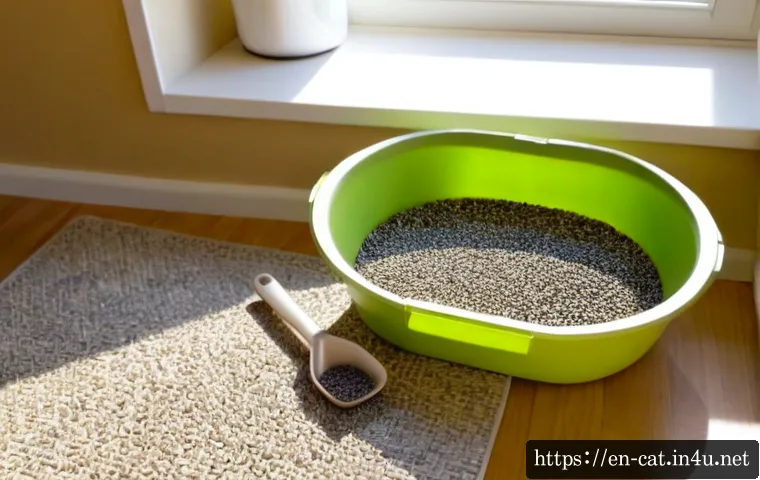
Clumping clay is a practical starting point for easy daily scooping, while silica crystals can reduce routine urine scooping. For odor control, low dust, low tracking, or automatic litter box use, the right choice depends on the individual product label, your cat’s preferences, and how you maintain the box.
Do not choose by bag price alone. A litter that lasts longer, produces less mess, or fits a subscription delivery schedule may offer better monthly value for your household.
Texture, fragrance, dust, and tracking matter just as much as material. A cat that dislikes a new litter may avoid the box, so a gradual transition is usually the safer approach.
Plant-based options such as tofu, corn, wheat, wood, and paper can differ widely by formulation. Check disposal directions, scent details, particle size, and clumping performance before committing to a large bag.
If you use a self-cleaning litter box, confirm the manufacturer’s approved litter type first. Some automatic systems require specific clumping behavior, texture, or particle size.
At a Glance
- For easy scooping: Clumping clay forms scoopable urine clumps, which can simplify daily waste removal.
- For reduced urine scooping: Silica crystal litter absorbs liquid, although solid waste still needs to be removed.
- For low-dust or low-tracking goals: Compare individual product labels, texture, fragrance, and your cat’s response rather than assuming one material works best for every home.
| Litter type | Daily cleaning approach | Odor-control decision point | Dust and tracking | Disposal and compatibility check | Monthly value lens |
|---|---|---|---|---|---|
| Clumping clay | Urine forms scoopable clumps. | Compare odor-control formulas and fragrance preferences. | Can vary by product, particle size, and household setup. | Check package disposal directions and automatic box requirements. | Consider how easily daily scooping fits your routine. |
| Non-clumping clay | Absorbs moisture; full-box replacement is generally needed more often. | Review replacement needs as part of odor management. | Can vary by formulation and particle texture. | Do not assume it is suitable for every automatic box. | Compare replacement frequency, not only the bag price. |
| Silica crystals | Absorbs liquid; remove solid waste routinely. | Assess absorption performance and cleaning routine. | Texture and tracking should be checked product by product. | Confirm approved use with a self-cleaning box manual. | May suit households that value less routine urine scooping. |
| Plant-based: tofu, corn, wheat, wood, paper | Performance differs by material and formulation. | Compare the specific product’s odor-control features. | Dust, texture, and tracking vary widely. | Read disposal directions carefully; do not assume flushability. | Compare actual usage and replacement needs over time. |
The Quick Answer: Which Litter Type Fits Your Home?
Best Starting Points for Odor Control, Low Dust, Easy Scooping, and Budget
If easy daily scooping is the priority, clumping clay is a familiar starting point because it forms scoopable urine clumps. If you want to reduce routine urine scooping, silica crystals are worth comparing because they absorb liquid, while solid waste still needs regular removal.
For odor control, look beyond the material name. Product formulation, cleaning frequency, the number of cats, box placement, and how often waste is removed all affect the result. A labeled odor-control product may be relevant, but it should still match your cat’s tolerance for fragrance and texture.
For low dust, avoid assuming that every plant-based litter is automatically the same. Dust can vary by formulation, and cats may react differently to texture or scent. If your cat dislikes scented litter, a fragrance-free product category may be easier to evaluate, but specific health concerns should be discussed with a veterinarian.
For a budget-focused choice, compare how long the litter lasts in your own box rather than choosing the lowest shelf price. A bag that appears inexpensive may require more frequent full replacement, while another option may fit a more efficient cleaning routine.
Why the Cheapest Bag Is Not Always the Lowest Monthly-Cost Option
A useful cat litter price comparison starts with usage, not the printed price alone. Your monthly cost can change with the number of cats, box size, depth of litter, cleaning routine, and local retail pricing. Non-clumping clay, for example, generally requires more frequent full-box replacement than a scoopable clumping option.
Also include the household costs around the litter box: liners, litter mats, covered boxes, odor-control accessories, and replacement litter when a cat rejects a new texture. A slightly higher-priced option can be worth considering when it reduces cleaning friction, fits delivery needs, or works reliably with equipment you already own.
Compare the Main Cat Litter Materials
Clumping Clay: Familiar, Scoopable, and Widely Available
Clumping clay litter forms scoopable urine clumps. That feature can make daily waste removal easier and may appeal to households that prefer a consistent scoop-and-top-up routine.
Before buying a large amount, compare fragrance, dust level, particle size, tracking, and whether the product is approved for your automatic litter box. Even when two products are both clumping clay, the household experience can differ.
Silica Crystals: Moisture Control and Lower Daily Urine Scooping
Silica crystal litter absorbs liquid and can reduce routine scooping of urine. It does not remove the need to clean the box: solid waste still requires regular removal.
The key questions are whether your cat accepts the crystal texture, whether the product’s particle size is compatible with your box, and whether the maintenance routine fits your home. For a self-cleaning litter box, check the manual rather than assuming crystal litter is accepted.
Tofu, Corn, Wheat, Pine, and Paper: Plant-Based and Low-Dust Trade-Offs
Plant-based litter may be made from corn, wheat, tofu, wood, or paper. These are material categories, not identical products. Their clumping behavior, moisture handling, dust, texture, tracking, and odor-control performance can vary by formulation.
This category is worth a closer label check if you are comparing subscription litter delivery, storage convenience, fragrance preferences, or disposal instructions. Do not rely on a broad “plant-based” label as proof that a product is flushable, low dust, or right for every cat.
Comparison Table: Odor, Dust, Tracking, Clumping, Disposal, and Price Value
Use the table above as a decision framework, not a fixed ranking. The best fit is the one your cat will use comfortably and that you can maintain consistently. For every material, check the individual package for odor-control claims, fragrance, disposal instructions, and automatic litter box compatibility.
Cost, Delivery, and Value Beyond the Bag Price
How to Estimate Monthly Litter Use for One Cat Versus Multiple Cats
Start by recording how much litter you add and replace during a typical month. Include every box in the home. For multi-cat households, use the same method, but expect usage patterns to depend on how many boxes are used, how often they are cleaned, and whether cats share them consistently.
Then compare the total recurring purchase: litter, liners if used, mats, odor-control accessories, and any extra product needed after a rejected switch. This is more useful than comparing bag sizes alone.
When Bulk Purchases or Subscription Delivery May Make Sense
Bulk purchasing or subscription delivery can make sense when you already know a litter works for your cat and your storage space. It can also reduce the chance of running out unexpectedly. However, avoid committing to a large supply before confirming that your cat accepts the texture and that the product works with your cleaning routine.
When comparing a subscription litter delivery option, review the delivery frequency, package size, cancellation terms, and whether the same formulation is being supplied. Check the product page for the current details before ordering.
Extra Costs to Consider: Litter Mats, Liners, Odor-Control Accessories, and Replacement Frequency
A litter mat may be worth considering when particles are carried outside the box. A covered box may be relevant for some small-space setups, but it does not replace regular waste removal. Liners and odor-control accessories should be evaluated as optional tools, not as a substitute for choosing a litter your cat will use.
Replacement frequency is especially important with non-clumping litter, which generally needs more frequent full-box replacement. That can change both the ongoing cost and the time required for maintenance.
Avoid These Litter Box Mistakes When Switching Products
Changing Texture or Scent Too Quickly
Cats may reject a sudden litter change. A gradual mixing process is commonly used when moving from one litter type to another. Begin by mixing a small amount of the new litter into the familiar one, then adjust gradually while watching whether your cat continues to use the box normally.
Do not change several variables at once if you can avoid it. Moving to a new texture, adding fragrance, changing the box, and relocating it at the same time makes it harder to identify what your cat dislikes.
Assuming “Flushable” Means Safe for Every Plumbing System
Most litter should not be flushed unless both the packaging and local wastewater guidance specifically allow it. “Flushable” is not a universal instruction. Check the product label and applicable local guidance before putting any litter into a toilet or drain.
Ignoring Dust, Fragrance, and Automatic Litter Box Requirements
Dust, fragrance, texture, and tracking can affect household comfort and cat acceptance. If your cat has respiratory, skin, or digestive concerns, do not assume a particular material is safe without appropriate professional guidance.
Automatic litter boxes may require a specific litter texture, clumping performance, particle size, or manufacturer-approved litter type. The box manual is the deciding reference.
Choose by Situation: Multi-Cat Homes, Kittens, Seniors, and Small Apartments
High-Odor and Multi-Cat Households
In a multi-cat home, prioritize a maintenance routine you can keep up with. Compare clumping performance, odor-control product options, replacement needs, and the number of boxes in use. Daily removal of waste remains important regardless of litter material.
Before subscribing or buying in bulk, test a smaller amount first. One cat’s acceptance does not guarantee that every cat in the household will respond the same way.
Cats That Track Litter Through the Home
Tracking can be influenced by particle size, texture, the cat’s habits, and the area around the box. A litter mat can be a practical accessory to compare, especially when the box is near a frequently used walkway.
Look at the product’s particle description and observe what actually leaves the box. The lowest-tracking option cannot be identified by material alone because formulations differ.
Cats That Prefer Soft Texture or May Be Sensitive to Dust
Texture can determine whether a cat accepts a litter. If a cat avoids a new product, return to a gradual transition rather than forcing an abrupt swap. For concerns involving breathing, skin, digestion, or persistent avoidance, consult a veterinarian instead of relying on general product claims.
Small-Space Setups Where Odor and Storage Matter Most
Small apartments often make cleaning routines and storage more noticeable. Choose a litter format you can store safely and replenish consistently. Compare covered boxes, odor-control accessories, and delivery-friendly package sizes based on your available space.
A covered box may change how a space looks and contains loose particles, but it should still be cleaned regularly. No box design eliminates the need for waste removal.
Selection Criteria and Comparison Summary
Before committing to a large bag, bulk purchase, or subscription litter delivery, check these points:
- Cleaning method: Do you want scoopable urine clumps, or a litter that absorbs liquid with less routine urine scooping?
- Cat acceptance: Is the texture, fragrance level, and dust profile likely to be acceptable to your cat?
- Monthly value: Have you compared expected use, replacement frequency, and accessories instead of bag price alone?
- Tracking control: Would a litter mat or a different particle texture better suit your setup?
- Equipment fit: Does the litter meet your automatic litter box manufacturer’s requirements?
- Disposal: Does the package provide directions that match local wastewater guidance?
Best-fit direction by priority: Start with clumping clay for scoopable daily cleaning; compare silica crystals if reduced routine urine scooping is appealing; evaluate plant-based formulas individually when texture, dust, fragrance, or disposal instructions are central to your decision. For current specifications, approved-use details, and subscription terms, check the relevant product or manufacturer page before buying.
If litter-box avoidance persists, or if you are concerned about a cat’s respiratory, skin, or digestive health, a veterinarian can help assess the situation.
Closing Thoughts
The best cat litter is not simply the most expensive bag or the most heavily marketed odor-control formula. It is the option your cat accepts and that fits your cleaning routine, storage space, budget, and equipment. Start with a manageable amount, make changes gradually, and track real monthly use before setting up a recurring delivery. Small observations at home are more useful than broad material labels alone.
Useful Information
1. Remove solid waste regularly, including when using silica crystal litter.
2. Compare monthly replacement needs, not only the shelf price.
3. A litter mat may help manage particles outside the box.
4. Check automatic litter box manuals before changing litter texture or particle size.
5. Transition gradually when introducing a different litter type.
Important Notes
Individual cats can have different preferences and sensitivities, so no litter material is guaranteed to be best for every cat. Exact monthly costs depend on household use and local prices. Do not flush litter unless the product packaging and local wastewater guidance specifically permit it. For health-related concerns or ongoing litter-box avoidance, seek veterinary advice rather than treating a general comparison as a diagnosis.
Frequently Asked Questions
Q1. What type of cat litter is best for odor control in a multi-cat home?
A1. There is no single best material for every multi-cat home. Compare odor-control formulations, cleaning routine, replacement needs, and whether all cats accept the texture. Clumping clay can make daily waste removal easier, while silica crystals absorb liquid and still require solid waste removal.
Q2. Is clumping clay litter cheaper than silica or plant-based litter over time?
A2. It depends on the number of cats, box size, cleaning routine, replacement frequency, and local retail prices. Compare your expected monthly use and related accessories rather than judging value from the price of one bag.
Q3. What is the safest low-dust litter option for cats that dislike scented litter?
A3. Dust and fragrance vary by product, including within the same material category. Review individual labels for fragrance and dust-related details, transition gradually, and consult a veterinarian if your cat has respiratory, skin, digestive, or persistent litter-box concerns.