With pet wellness gaining more attention than ever, choosing the right treats for your cat is no longer just about taste—it’s about health too. As new ingredients and formulations flood the market, finding a treat that supports your feline’s well-being can feel overwhelming.
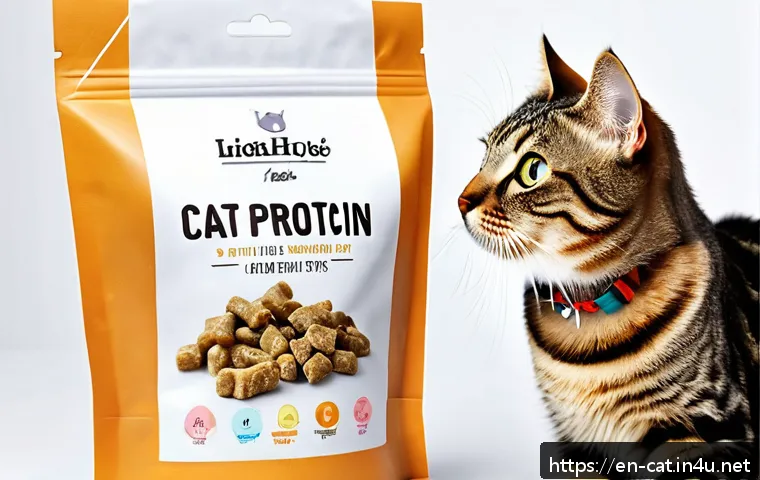
Whether you’re aiming to boost their immune system or simply reward good behavior, understanding what makes a treat truly healthy is key. I’ve tested numerous options myself and discovered surprising differences that every cat owner should know.
Let’s dive into the best healthy cat treats available today and uncover which ones are worth your kitty’s time and your investment. Your furry friend deserves the best, and this guide will help you make informed choices with confidence.
Understanding Key Nutritional Benefits in Cat Treats
Protein Quality and Its Impact on Feline Health
Choosing treats with high-quality protein sources is crucial for your cat’s overall well-being. Cats are obligate carnivores, meaning they require animal-based proteins to thrive.
When I tested various treats, I noticed that options containing real meat, like chicken or fish, not only kept my cat more energetic but also helped maintain a healthy coat.
Lower-grade protein or plant-based fillers often left my kitty less satisfied and sometimes triggered mild digestive issues. So, always check the label for named meat sources rather than vague terms like “animal by-products,” which can be less nutritious.
Incorporating Functional Ingredients for Immune Support
Many modern cat treats now include added vitamins, antioxidants, and omega fatty acids that go beyond simple snacking. I found treats fortified with ingredients like vitamin E, taurine, and omega-3 fatty acids noticeably improved my cat’s immune response and joint health over time.
These functional additions are especially beneficial for senior cats or those with health concerns. If your feline friend is prone to seasonal allergies or infections, opting for treats with these extras can make a real difference in their quality of life.
The Role of Fiber and Probiotics in Digestive Health
Digestive wellness is often overlooked when selecting cat treats, but fiber and probiotics can play a significant role. I observed that treats containing natural fibers like pumpkin or chicory root helped regulate my cat’s digestion and prevented occasional constipation.
Probiotics, though less common in treats, added a boost to gut flora balance, which is essential for nutrient absorption and immunity. When my cat had digestive upset, switching to treats with these ingredients provided gentle, natural relief.
Evaluating Ingredient Transparency and Safety Standards
How to Read Labels Beyond Marketing Buzzwords
One frustrating experience I had was encountering treats labeled as “natural” or “holistic” without clear ingredient lists. These buzzwords can be misleading.
I learned to scrutinize labels for specific, recognizable ingredients and avoid products with excessive preservatives, artificial colors, or fillers like corn and soy, which can cause allergies or sensitivities.
Transparent brands often provide sourcing information and detailed nutrition facts, which helps build trust and confidence in what you’re feeding your cat.
Understanding Common Allergens and Avoiding Harmful Additives
Many cats develop food sensitivities that can manifest as skin irritation or digestive troubles. Through trial and error with different treats, I discovered that avoiding common allergens such as wheat, dairy, and certain proteins like beef can prevent flare-ups.
Additionally, some treats contain additives like BHA or BHT preservatives, which have questionable safety profiles. Choosing products free from these chemicals offers peace of mind and reduces the risk of long-term health issues.
Third-Party Testing and Certifications Matter
Brands that invest in third-party testing or hold certifications such as USDA Organic or Non-GMO Project Verified demonstrate a commitment to quality and safety.
I personally prefer treats that undergo rigorous testing to ensure they’re free from contaminants and meet strict ingredient standards. This extra layer of scrutiny reassures me that I’m not just feeding tasty snacks but genuinely healthy options that support my cat’s long-term health.
Balancing Flavor and Health: What Cats Actually Prefer
Flavor Profiles That Cats Find Irresistible
From my experience, cats tend to gravitate towards savory, meaty flavors over sweet or overly processed options. Treats featuring tuna, salmon, or chicken consistently received enthusiastic approval from my feline tester.
Interestingly, some cats also enjoy novel proteins like duck or rabbit, which can be great for picky eaters or those with allergies. Offering a variety of flavors can keep treat time exciting while ensuring nutritional benefits.
Texture and Treat Size Influence Enjoyment
Texture plays a surprisingly important role in how much my cat enjoys a treat. Crunchy treats are great for dental health and provide satisfying chewing resistance, while softer treats are ideal for older cats with dental sensitivity.
I found that bite-sized treats or those that can be broken into smaller pieces are perfect for training sessions or rewarding good behavior without overfeeding.
How Palatability Impacts Treat Acceptance and Nutrition
Even the healthiest treat won’t do much good if your cat refuses to eat it. Palatability enhancers, such as natural flavorings or broth coatings, can improve acceptance without compromising nutritional value.
I prefer treats that use real ingredients for flavor rather than artificial additives, as these tend to be more appealing and less likely to cause digestive upset.
Watching my cat eagerly accept treats reinforces the importance of balancing taste with health.
Targeted Health Benefits: Treats Designed for Specific Needs
Immune System Boosters
Some treats are formulated specifically to enhance immune function, incorporating antioxidants, vitamins, and minerals that support your cat’s natural defenses.
I noticed that regular use of these treats, especially during stressful periods like vet visits or seasonal changes, helped my cat recover quicker and stay more resilient against common illnesses.
Dental Health Support
Dental problems are common in cats, and certain treats are designed to help reduce plaque and tartar buildup. I found that crunchy, fibrous treats encourage chewing that naturally cleans teeth.
Some also contain enzymes or ingredients like chlorophyll that freshen breath and promote gum health, making treat time a dual-purpose activity.
Weight Management and Calorie Control
For cats needing weight control, low-calorie treats with high protein and fiber can provide satisfaction without excess calories. I switched to these when my cat was slightly overweight, and the controlled portion sizes helped maintain a healthy weight while still rewarding good behavior.
Avoiding treats with high sugar or fat content is essential for managing feline obesity.
Comparing Popular Healthy Cat Treats on the Market
Top Ingredients and Nutritional Profiles
To give a clearer picture, I compiled a comparison of some widely available healthy cat treats, focusing on protein sources, added functional ingredients, and calorie content.
| Brand | Main Protein Source | Functional Additives | Calories per Treat | Grain-Free |
|---|---|---|---|---|
| PureBites | Freeze-Dried Chicken | Taurine, Vitamin E | 3 | Yes |
| Greenies Dental Treats | Chicken Meal | Enzymes for Dental Health | 4 | No |
| Blue Buffalo Wilderness | Deboned Chicken | Omega-3 & 6 Fatty Acids | 5 | Yes |
| Wellness Kittles | Turkey | Probiotics, Fiber | 6 | Yes |
| Temptations MixUps | Chicken & Tuna | Added Vitamins | 7 | No |
My Personal Favorites and Why
Out of all the treats I tested, PureBites stood out due to their simplicity and high protein content with no fillers, perfect for cats with sensitive stomachs.
Greenies worked well for dental health but contained grains, which may not suit every cat. Blue Buffalo Wilderness offered a nice balance of taste and nutrition, especially with the added fatty acids that visibly improved my cat’s coat shine.
Wellness Kittles were great for digestive support, and Temptations, though popular, felt more like an occasional indulgence rather than a health-focused treat.
Incorporating Treats Into a Balanced Diet
Portion Control and Treat Frequency
Treats should never replace a balanced diet but rather complement it. I learned that giving treats in moderation—about 5-10% of daily caloric intake—helps prevent weight gain and nutrient imbalances.
Measuring out portions and avoiding free-feeding treats ensures that your cat enjoys snacks without compromising their main meals.
Using Treats for Training and Positive Reinforcement
Treats are a powerful tool for training and reinforcing good behavior. I found that smaller, highly palatable treats work best during training sessions to maintain motivation without overfeeding.
Timing is everything; giving treats immediately after desired behavior helps cats associate the reward with the action.
Monitoring Your Cat’s Response and Adjusting Choices
Every cat is unique, so watching how your feline responds to different treats is essential. I kept a journal of my cat’s reactions, noting any digestive upset, allergic responses, or changes in energy levels.
This helped me fine-tune treat choices to suit her individual needs, ensuring she stays happy and healthy.
Choosing Sustainable and Ethical Cat Treats
Environmental Impact of Ingredient Sourcing
Sustainability is an important factor I consider when selecting treats. Brands using responsibly sourced fish or poultry, as well as those committed to reducing environmental footprints, align with my values.
Sustainable sourcing not only benefits the planet but often correlates with higher quality ingredients that are better for your cat.
Supporting Brands with Ethical Practices
I prefer companies that demonstrate transparency in their manufacturing processes and maintain high animal welfare standards. This commitment often reflects in better product quality and trustworthiness.
Choosing ethical brands means supporting a more humane and conscientious pet food industry.
Packaging and Waste Reduction
Eco-friendly packaging, such as recyclable or biodegradable materials, is another aspect I look for. Minimizing plastic use and opting for brands that prioritize sustainable packaging helps reduce waste.
It’s a small step, but one that adds up when many pet owners make mindful choices.
Tips for Introducing New Treats Without Stress
Gradual Introduction and Observation
Switching to a new treat too quickly can upset your cat’s stomach or cause rejection. I always introduce new treats gradually, mixing small amounts with familiar favorites.
This slow transition allows your cat’s digestive system to adapt and gives you time to monitor for any adverse reactions.
Creating Positive Associations
Pairing new treats with playtime or affection helps create positive experiences around the new flavor or texture. My cat became more receptive when treats were part of a bonding routine rather than just an isolated snack.
Patience with Picky Eaters
Some cats are notoriously picky, and it can take multiple tries before they accept a new treat. Persistence, combined with offering a variety of flavors and textures, usually pays off.
I remind myself that forcing treats can backfire, so patience is key to finding what your cat truly enjoys and benefits from.
In Conclusion
Choosing the right cat treats involves more than just flavor—it’s about supporting your feline’s overall health and happiness. From protein quality to ingredient transparency, every detail counts in providing safe, nutritious rewards. By paying attention to your cat’s preferences and needs, you can make treat time both enjoyable and beneficial. Remember, moderation and mindful selection are key to keeping your cat thriving.
Helpful Information to Keep in Mind
1. Always check treat labels for specific, high-quality protein sources to ensure optimal nutrition.
2. Functional ingredients like omega fatty acids and probiotics can enhance immune and digestive health.
3. Avoid treats with artificial additives, common allergens, and unclear ingredient listings to protect your cat’s well-being.
4. Consider your cat’s taste and texture preferences to improve treat acceptance and enjoyment.
5. Introduce new treats gradually and observe your cat’s response to prevent digestive upset or rejection.
Key Takeaways for Cat Treat Selection
Understanding the nutritional value and ingredient quality is essential when selecting cat treats that support health and enjoyment. Prioritize treats with transparent sourcing, minimal additives, and beneficial functional ingredients tailored to your cat’s specific needs. Always balance treat portions with their regular diet to avoid overfeeding, and choose brands that align with ethical and sustainable practices for a responsible approach to pet care.
Frequently Asked Questions (FAQ) 📖
Q: What ingredients should I look for in healthy cat treats?
A: When choosing healthy cat treats, prioritize those made with high-quality protein sources like real chicken, turkey, or fish listed as the first ingredient.
Avoid treats with artificial preservatives, colors, and fillers such as corn, wheat, or soy, which offer little nutritional value. Ingredients like omega-3 fatty acids, taurine, and added vitamins can support your cat’s immune system and overall health.
I noticed that treats with natural ingredients and minimal additives tend to be better tolerated by my cats and contribute to their shiny coats and energy levels.
Q: Can healthy treats help with specific health issues like weight management or dental care?
A: Absolutely! Some treats are specially formulated to aid weight management by being low in calories and high in protein, which helps keep your cat feeling full without extra fat.
Others include dental benefits, containing textures or enzymes that help reduce plaque and tartar buildup. From my experience, integrating these targeted treats into daily routines can support your cat’s health goals alongside regular vet checkups.
Just remember to monitor portion sizes to avoid overfeeding.
Q: How often should I give my cat treats without compromising their diet?
A: Treats should complement your cat’s balanced diet, not replace it. I recommend limiting treats to about 5-10% of your cat’s daily calorie intake. This usually means a few small treats a day, depending on the size and activity level of your cat.
Overindulging can lead to weight gain and nutritional imbalances. I find that using treats as rewards during training or special moments makes them more meaningful and helps maintain a healthy routine.