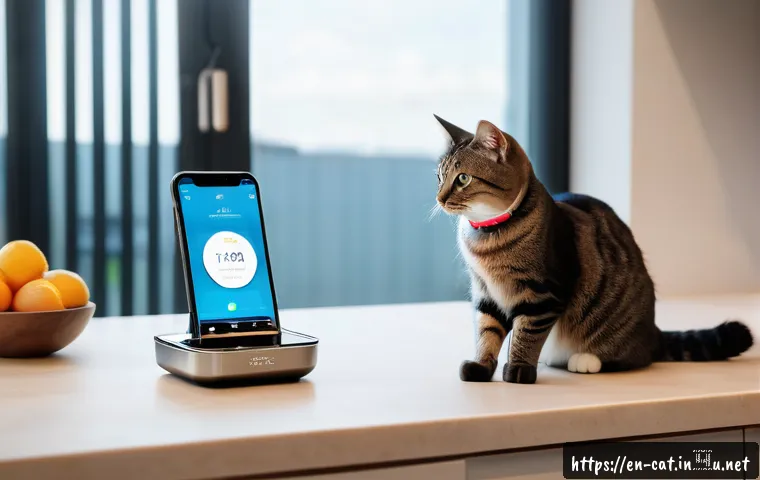
With busy schedules and unpredictable days becoming the norm, finding reliable ways to care for our feline friends is more important than ever. Smart cat feeders have surged in popularity this year, offering pet owners a seamless blend of convenience and peace of mind.
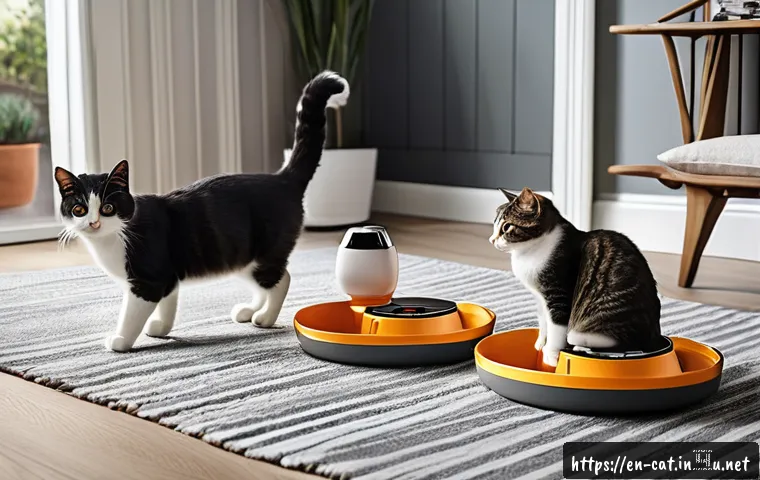
Whether you’re rushing between meetings or traveling, these innovative devices ensure your cat’s meals are timely and portion-controlled without the hassle.
In this guide, we’ll explore the top smart cat feeders of 2024, packed with features that cater to every pet parent’s needs. Stick around to discover how technology can transform your daily pet care routine and keep your kitty happy and healthy.
Choosing the Right Smart Feeder for Your Cat’s Lifestyle
Understanding Your Cat’s Feeding Habits
Every cat has a unique personality and feeding preference, which can make picking the perfect smart feeder a bit tricky. Some cats prefer frequent small meals throughout the day, while others stick to one or two larger servings.
Observing how your feline friend behaves around mealtime helps you decide which feeder features are essential. For instance, if your cat tends to eat too fast or overeat, a feeder with portion control and slow-feed options can be a lifesaver.
On the other hand, if your cat is a picky eater, a feeder with customizable meal schedules or voice recording might encourage them to come to the bowl on time.
Key Features That Make a Difference
When browsing smart feeders, look beyond just the automatic dispensing function. Features like app control, Wi-Fi connectivity, and real-time notifications can add layers of convenience and reassurance.
Personally, I found the ability to schedule meals from my phone incredibly helpful, especially during hectic workdays. Some feeders even allow you to monitor your cat’s eating habits over time, providing valuable insight into their health and behavior.
Others include backup battery options, which are crucial if you experience power outages or internet issues. These thoughtful extras separate a good feeder from a great one.
Material Quality and Ease of Cleaning
Feeding devices are in constant contact with food and moisture, so durability and hygiene should be top priorities. I’ve learned that feeders made with BPA-free plastics or stainless steel bowls are more resistant to odors and easier to clean.
Removable parts that are dishwasher safe save a lot of time and effort, which is a blessing for busy pet parents. Also, sealed compartments help maintain food freshness, preventing spoilage or pests.
A well-designed feeder will blend seamlessly into your home without being an eyesore, so aesthetics might be worth considering if you’re particular about your living space.
Smart Feeding Technology That Enhances Your Cat’s Well-being
Portion Control and Weight Management
One of the most impressive benefits of smart feeders is their ability to portion meals accurately. Overfeeding is a common issue leading to feline obesity, which can result in serious health problems like diabetes and joint issues.
With precise portion control, you can set exact serving sizes tailored to your cat’s age, weight, and activity level. I’ve seen how this feature helped a friend’s overweight cat gradually shed pounds while still enjoying regular meals.
Some feeders even allow you to create multiple meal profiles if you have more than one cat, making individualized care easier.
Scheduled Feeding for Consistency and Routine
Cats thrive on routine, and consistent meal times can reduce anxiety and improve digestion. Smart feeders allow you to program feeding schedules that fit your daily rhythm, ensuring your cat never misses a meal even if you’re caught up in back-to-back meetings or traveling.
From my experience, having a scheduled feeder helped my cat stay calm during my recent business trip, as she wasn’t left waiting or feeling uncertain about when food would arrive.
Plus, it eliminates the guesswork on your part and prevents last-minute scrambling.
Interactive and Monitoring Capabilities
Some advanced smart feeders come equipped with cameras, microphones, and two-way audio, letting you check in on your cat and even call them to eat. This interaction can be a real comfort if you’re away for extended periods.
I found it heartwarming to see my cat’s reaction when I spoke to her through the app; it almost felt like I was right there. Additionally, feeders that track eating patterns can alert you to changes that might indicate health issues, giving you an early warning to consult your vet.
Comparing Popular Smart Cat Feeders of 2024
Overview of Leading Models
With so many options on the market, it’s helpful to have a clear comparison of the top feeders. Features like capacity, connectivity, meal customization, and price vary widely.
I’ve compiled a detailed table to help you quickly evaluate which model fits your needs and budget best. This way, you can make an informed decision without getting overwhelmed by all the technical jargon.
| Model | Capacity | App Control | Portion Control | Additional Features | Price Range |
|---|---|---|---|---|---|
| PetSafe Smart Feed | 24 cups | Yes (Wi-Fi) | Yes, adjustable | Voice recording, slow feed option | $150 – $180 |
| WOPET Automatic Feeder | 6 liters | Yes (Wi-Fi) | Yes, up to 12 meals/day | Camera, two-way audio | $140 – $170 |
| Cat Mate C500 | 5 meals (500ml) | No | Yes, fixed portions | Ice pack for wet food | $80 – $100 |
| SureFeed Microchip Feeder | Small bowl | No | Yes, microchip recognition | Prevents food stealing by other pets | $200 – $230 |
| Petkit Automatic Feeder | 4 liters | Yes (Wi-Fi) | Yes, customizable | Food level sensor, app alerts | $130 – $160 |
Real User Experiences
Reading reviews is great, but hearing from someone who actually used these feeders paints a clearer picture. For example, a colleague shared that while the PetSafe model was reliable, the slow feed feature was a game-changer for their fast-eating cat.
Meanwhile, the WOPET’s camera function offered peace of mind when traveling. On the flip side, some users found the Cat Mate feeder’s lack of app control limiting but appreciated its simple design and affordability.
These firsthand insights help set realistic expectations before making a purchase.
Warranty and Customer Support Considerations
Purchasing a smart feeder is an investment, so it’s crucial to consider the brand’s warranty and customer service reputation. I’ve encountered situations where a quick response from support saved a lot of frustration, especially when setting up the device or troubleshooting connectivity issues.
Some brands offer extended warranties or satisfaction guarantees, which can be reassuring if you’re trying a smart feeder for the first time. Checking these details beforehand can save you headaches down the road.
Integrating Smart Feeders into Multi-Pet Households
Managing Different Dietary Needs
If you’re a multi-pet family, feeding time can be a logistical challenge, especially when cats have varied diets or medical restrictions. Smart feeders with microchip recognition or RFID technology allow you to assign specific meals to each cat, preventing food stealing and ensuring everyone gets what they need.
I’ve seen how this technology keeps peace in homes with finicky eaters or cats on prescription diets. It’s a small feature that makes a huge difference in managing multiple pets efficiently.
Strategies for Introducing New Feeders
Cats can be notoriously suspicious of new gadgets, so gradual introduction is key. Start by letting your cat explore the feeder while it’s turned off, rewarding curiosity with treats or affection.
Then, slowly transition to scheduled feedings, combining the feeder with your regular routines to build trust. I recall how my own cat took a few days to warm up to the smart feeder, but once she did, she seemed to appreciate the steady meal times.
Patience and positive reinforcement go a long way here.
Maintaining Hygiene and Preventing Conflicts
In multi-cat environments, keeping feeders clean is vital to prevent illness and territorial disputes. Regularly washing bowls and compartments is a must, especially if you’re feeding wet food.
Some feeders come with detachable parts that make this easier, which I found especially helpful. Also, placing feeders in separate locations can minimize competition and stress.
Observing your cats’ behavior during meal times can help you adjust setups to keep everyone comfortable and well-fed.
Leveraging Smart Feeders for Travel and Busy Days
Remote Feeding Control and Monitoring
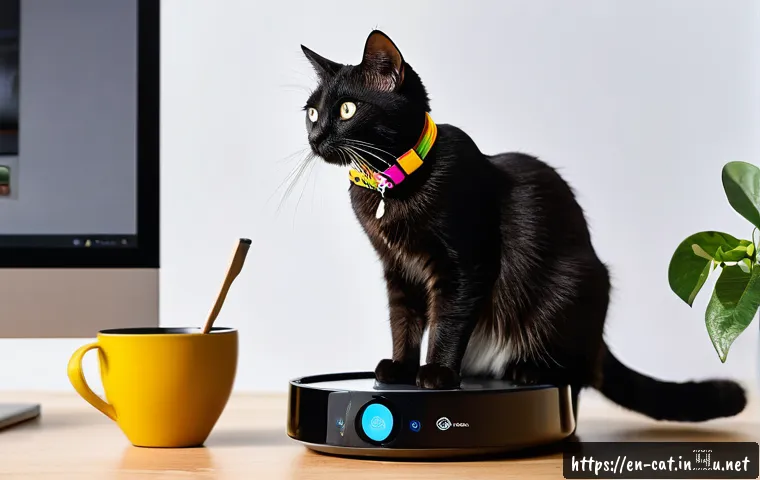
One of the biggest perks of smart feeders is being able to feed your cat remotely through an app. Whether you’re stuck late at work or on a weekend getaway, you can dispense meals with a tap on your phone.
I remember a recent trip where I checked in on my cat and dispensed her dinner from halfway across the country — it was such a relief knowing she was fed on time.
This feature reduces the guilt and worry that often come with leaving pets behind.
Backup Power and Reliability During Outages
Power failures or internet disruptions can throw a wrench in automated feeding schedules. That’s why I always recommend choosing feeders with battery backup options or manual feeding modes.
This way, your cat’s feeding routine isn’t completely dependent on electricity. It’s a practical consideration that often gets overlooked until you experience a blackout.
Ensuring your feeder has this safety net can keep your cat’s routine uninterrupted and prevent hunger-induced stress.
Combining Feeders with Pet Cameras and Other Smart Devices
Many pet parents find that pairing their smart feeder with cameras or activity monitors creates a comprehensive care system. Watching your cat eat via camera not only reassures you but also helps identify any feeding issues early.
Integration with smart home assistants or notifications can alert you if a meal is missed or if the feeder runs low on food. I’ve integrated my feeder with voice commands, which adds a fun and effortless way to interact with my cat’s daily care routine.
Maintaining and Troubleshooting Your Smart Feeder
Routine Cleaning and Maintenance Tips
Keeping your feeder in top shape requires more than just occasional wiping. I recommend a weekly deep clean, especially if you’re using wet food or your cat is prone to allergies.
Disassemble all removable parts and wash them thoroughly with pet-safe detergents. Check the dispensing mechanism for any food residue that might cause jams.
Regular maintenance not only prolongs the feeder’s life but also ensures your cat’s food stays fresh and safe.
Common Issues and How to Fix Them
From my experience and conversations with other cat owners, common problems include connectivity drops, feeding jams, or app glitches. For connectivity, restarting your router or feeder often solves the issue.
Feeding jams usually happen because of food clumping — switching to drier kibble or cleaning the feeder can help. If the app isn’t syncing properly, uninstalling and reinstalling it or updating the firmware usually does the trick.
Having a troubleshooting guide handy saves a lot of stress.
When to Contact Customer Support
If you’ve tried basic fixes and your feeder still malfunctions, don’t hesitate to reach out to customer service. I’ve learned that many brands have responsive support teams that can guide you through complex issues or arrange replacements if needed.
Documenting the problem with photos or videos before contacting support can speed up the process. Remember, a reliable feeder should come with solid after-sales support — it’s part of what you’re paying for.
Understanding the Investment: Cost vs. Benefits
Breaking Down the Financial Commitment
Smart feeders range widely in price, from budget-friendly models under $100 to premium devices exceeding $200. While the upfront cost might seem steep compared to traditional bowls, consider the long-term benefits like reduced food waste, improved cat health, and saved time.
I personally view it as an investment in convenience and peace of mind, especially when my schedule gets hectic. It’s worth weighing how much value you place on these aspects before deciding.
How Smart Feeders Can Save You Money
Overfeeding leads to wasted food and potential vet bills from health issues. Smart feeders’ precise portioning helps prevent these costs, which can add up over time.
Also, some feeders track food usage, allowing you to manage your cat’s diet more efficiently. When I switched to a smart feeder, I noticed I was buying less food monthly because portions were controlled better.
This kind of savings, paired with the convenience factor, makes the higher price tag easier to justify.
Evaluating Long-Term Satisfaction and Value
The true value of a smart feeder goes beyond just the features—it’s about how it fits into your lifestyle and supports your cat’s well-being. I’ve talked to many users who say the peace of mind and time saved are priceless.
That said, it’s important to choose a model that you’ll find easy to use and maintain, to avoid frustration. Reading reviews, testing features in-store if possible, and considering your pet’s habits all contribute to a satisfying purchase that pays off for years.
In Conclusion
Choosing the right smart feeder can truly transform your cat’s feeding routine and overall well-being. By understanding your cat’s unique habits and needs, you can select a device that offers convenience, health benefits, and peace of mind. Investing time in research and considering features like portion control, connectivity, and ease of cleaning will pay off in the long run. Ultimately, a well-chosen smart feeder supports both you and your feline friend, making daily care simpler and more enjoyable.
Useful Information to Keep in Mind
1. Always observe your cat’s eating behavior before selecting a feeder to ensure it matches their feeding style and personality.
2. Prioritize feeders with app control and real-time notifications to stay connected and manage feeding even when you’re away.
3. Look for durable, easy-to-clean materials like stainless steel or BPA-free plastics to maintain hygiene and food freshness.
4. Consider feeders with backup power options to avoid interruptions during outages or connectivity problems.
5. Introduce new feeders gradually, using positive reinforcement to help your cat adjust comfortably to the change.
Key Takeaways
Smart feeders offer precise portion control that helps prevent overeating and related health issues, making them a valuable tool for weight management. Scheduling meals through smart feeders establishes consistent routines that reduce stress for your cat and simplify your day. Features like microchip recognition and interactive monitoring provide tailored feeding solutions, especially useful in multi-pet households. Choosing a feeder with reliable customer support and warranty ensures a smoother experience and long-term satisfaction. Finally, while the upfront cost may be higher, the convenience, improved pet health, and potential savings on food and vet bills make smart feeders a worthwhile investment.
Frequently Asked Questions (FAQ) 📖
Q: How do smart cat feeders help with portion control for my cat’s meals?
A: Smart cat feeders are designed to dispense precise amounts of food at scheduled times, which helps prevent overfeeding and supports healthy weight management.
From my experience, using one means I no longer worry about my cat sneaking extra snacks or eating too quickly. Many models let you customize portions through an app, so you can adjust based on your cat’s needs or vet recommendations, making mealtime both consistent and controlled.
Q: Can I monitor and control the feeder remotely when I’m away from home?
A: Absolutely! Most top smart cat feeders connect to your smartphone via Wi-Fi, allowing you to schedule meals, adjust portions, and even receive notifications when your cat has been fed.
When I traveled recently, it was a relief to check in through the app and confirm my cat’s feeding schedule was on track without needing a pet sitter.
This feature offers peace of mind and flexibility, especially for busy pet parents.
Q: Are smart cat feeders suitable for all types of cat food?
A: While many smart feeders work best with dry kibble, some models can handle semi-moist or certain wet foods, though they usually require specific containers or compartments to keep food fresh.
In my case, I use a dry-food feeder because it’s less messy and lasts longer in the dispenser. If your cat prefers wet food, look for feeders with refrigeration or sealed compartments to ensure freshness and avoid spoilage.
Always check the product details to make sure it fits your cat’s dietary preferences.