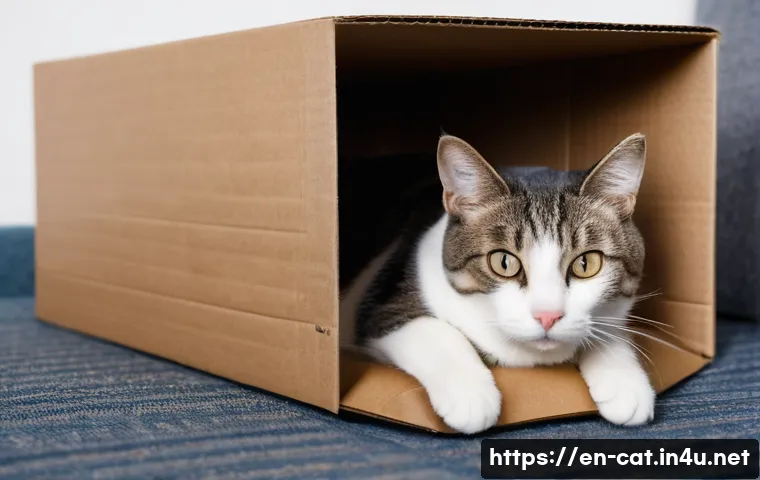
Cats are fascinating creatures, often displaying quirky behaviors that leave us both amused and puzzled. From sudden bursts of energy to mysterious staring sessions, these actions can reveal a lot about their mood and health.
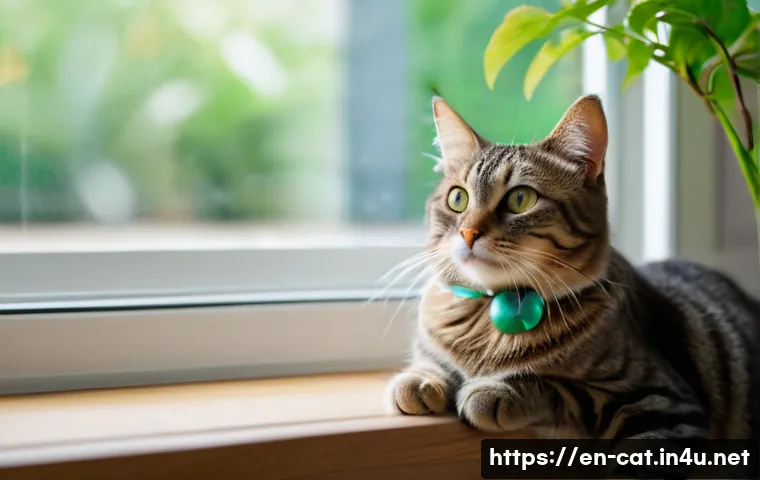
Understanding why your feline friend acts the way they do helps deepen your bond and ensures their well-being. Some behaviors might seem odd but are perfectly normal, while others could signal a need for attention.
Let’s dive into these intriguing habits and decode what your cat is really trying to tell you. Stick around as we explore these feline mysteries in detail!
Unraveling the Mystery Behind Sudden Zoomies
What Triggers Those Unexpected Bursts of Energy?
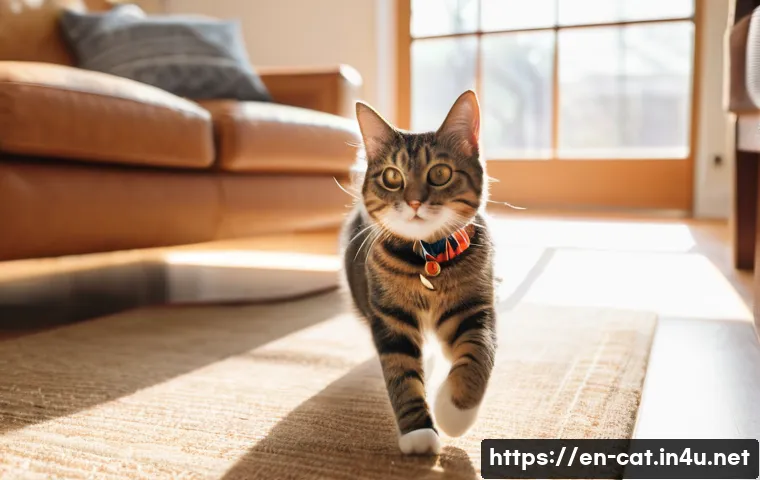
Cats often surprise us by suddenly darting around the house like tiny furry rockets. These “zoomies,” as many pet owners call them, are usually triggered by pent-up energy or excitement.
After a long nap or a period of inactivity, your cat’s natural hunting instincts kick in, prompting this energetic release. It’s their way of stretching their muscles, sharpening reflexes, and sometimes just plain having fun.
If you’ve ever caught your cat racing from one end of the living room to the other, you know exactly what I mean — it’s like they’re trying to burn off invisible energy!
How Zoomies Benefit Your Cat’s Well-being
Zoomies aren’t just random bursts; they actually play a crucial role in your cat’s physical and mental health. When they sprint and leap, their cardiovascular system gets a boost, and their muscles stay toned.
Mentally, these bursts help reduce boredom, which can prevent destructive behaviors like scratching furniture or obsessive grooming. From my experience, encouraging playtime with toys right after a zoomie can channel that excitement in a positive direction.
It’s almost like your cat is inviting you to join their impromptu workout session.
When Zoomies Might Signal Something Else
While zoomies are mostly normal, excessive or frantic episodes might indicate stress or discomfort. For instance, if your cat suddenly starts running wildly at night and seems restless, it could be a sign of anxiety or even pain.
I once noticed my cat having frequent zoomies accompanied by vocalizing, which led me to discover a dental issue needing veterinary care. So, while enjoying these amusing antics, keep an eye out for patterns or accompanying signs that might warrant a vet check.
Decoding the Meaning Behind Intense Staring Sessions
Why Does Your Cat Stare at You or Objects for Long Periods?
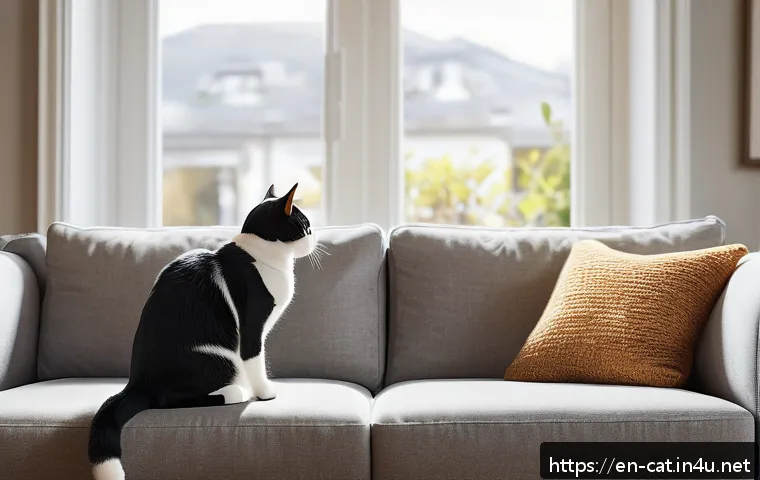
Cats often fixate their gaze on seemingly nothing, or sometimes on their human companions, which can feel a bit eerie. This intense staring is usually a sign of curiosity or concentration.
Cats are natural hunters, and their eyes lock onto potential “prey” or interesting stimuli, even if it’s just a dust particle floating in the air. When your cat stares at you, it might be trying to communicate or simply observe your behavior.
From my personal observations, this silent interaction often precedes a request — maybe for food, attention, or play.
How to Respond to Your Cat’s Gaze
Meeting your cat’s stare with a gentle blink or slow eye closure can strengthen your bond. This “slow blink” is their way of showing trust and affection.
I found that when I respond this way, my cat relaxes visibly and sometimes even approaches for a cuddle. On the other hand, if your cat’s stare feels intense or aggressive, it’s best to give them space.
Recognizing these subtle differences in their gaze helps maintain a harmonious relationship.
Potential Health Concerns Linked to Staring
Occasionally, prolonged staring accompanied by other signs like lethargy or disorientation could hint at neurological or vision issues. Cats with vision impairment might stare as they try to process their surroundings more carefully.
In my experience, one of my older cats started staring more frequently and bumping into furniture, which led to a diagnosis of cataracts. So, paying attention to changes in this behavior can be a valuable health indicator.
Understanding the Significance of Purring Variations
Different Types of Purring and What They Mean
Purring is often seen as a sign of contentment, but it’s much more complex. Cats purr for various reasons — from relaxation and happiness to self-soothing when in pain or distress.
I once noticed my cat purring softly while resting on my lap, a clear sign of comfort. However, during a vet visit, she purring loudly and continuously seemed to be an attempt to calm herself.
The tone, rhythm, and context of purring are important clues in understanding your cat’s mood.
When Purring Indicates Stress or Discomfort
Some cats purr when they’re nervous or unwell, using it as a coping mechanism. If your cat is purring but also showing signs of hiding, decreased appetite, or unusual behavior, it’s worth investigating further.
I recall a friend’s cat purring non-stop after a minor injury, which turned out to be her way of managing pain. Observing your cat’s overall demeanor alongside their purring helps you interpret what they’re truly feeling.
Encouraging Positive Purring Moments
Creating a calm and safe environment encourages your cat to purr happily. Gentle petting, soft voices, and cozy spots often invite this soothing sound.
When I noticed my cat starting to purr during grooming sessions, it became a signal that she was relaxed and enjoying the interaction. These positive moments not only enhance your cat’s happiness but also deepen your connection.
Why Do Cats Love Knocking Things Over?
Instinct or Mischief: The Roots of This Behavior
If you’ve ever found your glass or small objects toppled from a table, you’re not alone. Cats knocking things over is a classic behavior that stems from their natural curiosity and hunting instincts.
They use their paws to test objects, gauge size or weight, and explore their environment. Personally, I find it both amusing and frustrating, especially when my cat targets my favorite coffee mug!
This behavior is their way of interacting with the world, almost like playful experimentation.
How to Manage and Redirect This Tendency
Providing plenty of engaging toys and vertical spaces like cat trees can reduce destructive knocking. I noticed that when my cat has access to interactive toys that move or make noise, she’s less likely to push household items off shelves.
Also, securing fragile or valuable items out of reach helps prevent accidents. Sometimes, gentle training with positive reinforcement when your cat leaves objects alone can be surprisingly effective.
When Knocking Things Over May Signal Boredom or Anxiety
Excessive knocking can be a cry for attention or a symptom of stress. Cats left alone for long periods without stimulation often find creative ways to entertain themselves, which might include knocking over objects.
I’ve observed that after a busy workday, my cat tends to be more mischievous if I haven’t spent enough playtime with her. Recognizing this pattern can guide you to adjust your daily routine to better meet your cat’s needs.
Interpreting the Language of Tail Movements
What Different Tail Positions Reveal About Your Cat’s Mood
A cat’s tail is like a mood barometer, shifting to express a variety of emotions. A tail held high usually signals confidence and happiness, while a low or tucked tail can indicate fear or submission.
I learned this firsthand when my shy cat first came home — her tail was always low, but as she grew comfortable, it gradually stood tall like a flag. Wagging or flicking tails can mean irritation or excitement, so it’s essential to observe tail movements alongside other body language.
How to React to Tail Signals
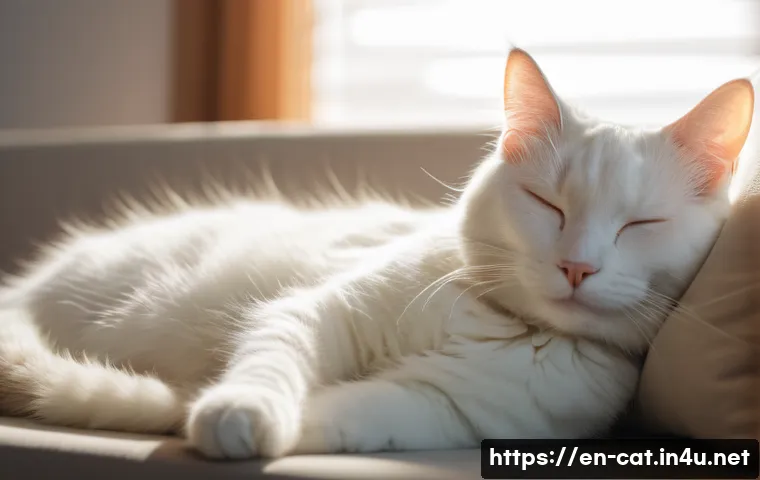
Understanding tail cues helps avoid misunderstandings. For example, if your cat’s tail twitches while you pet her, it might be a warning that she’s reaching her tolerance limit.
I’ve made the mistake of ignoring these signals, resulting in a quick swat or nip. Learning to read these signs ensures you respect your cat’s boundaries and maintain a peaceful interaction.
Tail Behavior as an Indicator of Health Issues
Sudden changes in tail movement or posture can also indicate discomfort or injury. If your cat is holding her tail strangely or avoiding using it, a vet visit might be necessary.
One time, my cat’s tail was limp after a minor trauma, and prompt veterinary care prevented further complications. Keeping an eye on tail behavior adds another layer to monitoring your cat’s overall health.
Why Cats Bring “Gifts” to Their Owners
The Roots of This Surprising Habit
Many cat owners have experienced the peculiar moment when their feline friend leaves a dead bug, mouse, or toy at their feet. This behavior is deeply rooted in their instinct to share food or “teach” hunting skills to their family.
It’s both a gift and a sign of affection. When my cat left a toy mouse by my bed, I felt strangely honored — it’s her way of saying, “Look what I caught for you!”
How to Appreciate and Manage These “Presents”
While it might not be the most pleasant surprise, understanding the intention behind these gifts helps you respond with gratitude rather than frustration.
Gently praising your cat or offering a treat afterward can reinforce the positive connection. I found that redirecting this behavior with playtime using toys reduces the frequency of unwanted “gifts” while still satisfying their hunting instincts.
When Gift-Giving Signals Behavioral Issues
If your cat starts bringing inappropriate or excessive items, it might reflect stress or boredom. Sometimes, cats that feel neglected will increase this behavior to get your attention.
I once dealt with a cat who escalated from toy gifts to knocking things over and vocalizing loudly, which was a clear sign she needed more engagement.
Recognizing these patterns helps you address underlying emotional needs.
How to Interpret Your Cat’s Vocalizations
Different Meows and Their Meanings
Cats don’t just meow randomly; each sound carries a message. A short, soft meow might be a greeting, while a loud, insistent meow could mean hunger or demand for attention.
I’ve learned to distinguish my cat’s subtle variations — her “hello” meow is quite different from the “feed me now” version. Paying attention to these vocal cues is like learning a new language, deepening your understanding of your feline friend.
Recognizing When Meowing Indicates Health Concerns
Persistent or unusual vocalizations might be a cry for help. Cats in pain or distress often vocalize more than usual. I recall one night when my cat’s continuous yowling led me to discover she was suffering from a urinary tract infection.
Early detection through listening to vocal changes can prevent serious health issues.
Using Vocalizations to Enhance Your Relationship
Responding to your cat’s meows with calm and attentive communication strengthens your bond. Mimicking their sounds or speaking softly reassures them. Over time, this two-way communication builds trust and comfort, making your cat feel understood and loved.
Common Signs That Your Cat Needs a Vet Visit
Behavioral Changes to Watch For
Sudden shifts in behavior such as increased hiding, aggression, or lethargy often signal underlying health problems. I’ve seen cats go from playful to withdrawn when something is wrong, and catching these signs early is crucial.
If your cat’s usual quirks turn into persistent changes, it’s time to consult a professional.
Physical Symptoms Requiring Attention
Loss of appetite, weight changes, vomiting, or unusual grooming habits are red flags. I experienced a situation where my cat’s excessive scratching was more than just itchiness — it was an allergic reaction needing treatment.
Monitoring these symptoms helps you keep your cat healthy and comfortable.
Routine Checks and Preventive Care
Regular vet visits are essential, even if your cat seems perfectly fine. Vaccinations, dental care, and parasite prevention keep your cat thriving. From personal experience, scheduling annual wellness exams has saved my cat from potential health crises by catching issues early.
| Behavior | Possible Meaning | Suggested Action |
|---|---|---|
| Sudden zoomies | Energy release, excitement, or stress | Provide playtime or monitor for anxiety |
| Intense staring | Curiosity, communication, or health issue | Engage gently or consult vet if abnormal |
| Persistent purring | Contentment or self-soothing during pain | Observe context and seek vet if worried |
| Knocking objects over | Curiosity, boredom, or anxiety | Provide toys and secure items |
| Tail flicking or twitching | Irritation or excitement | Respect boundaries and adjust interaction |
| Bringing “gifts” | Affection or hunting instinct | Appreciate or redirect with toys |
| Excessive meowing | Communication or distress | Respond attentively or vet check |
글을 마치며
Understanding your cat’s unique behaviors deepens the bond you share and helps ensure their happiness and health. From sudden zoomies to gentle purring, each action carries meaning worth paying attention to. By tuning in to these signals, you become a more attentive and loving pet owner. Remember, your cat’s quirks are their way of communicating, inviting you into their fascinating world.
알아두면 쓸모 있는 정보
1. Sudden bursts of energy, or “zoomies,” are a natural way for cats to burn off excitement or stress, so providing interactive playtime can help channel this energy positively.
2. When your cat stares intently, it’s often a sign of curiosity or communication; responding with slow blinks can strengthen your mutual trust.
3. Purring doesn’t always mean contentment—it can also be a coping mechanism for pain or anxiety, so consider the overall context to understand their feelings.
4. Cats knocking things over is usually rooted in curiosity or boredom; offering engaging toys and secure spaces helps reduce this behavior.
5. Paying attention to tail movements and vocalizations can give you valuable clues about your cat’s mood and health, enabling timely care and better interaction.
중요 사항 정리
Recognizing your cat’s behavioral signals is key to maintaining their well-being and your relationship. Sudden or excessive behaviors might point to stress or health issues, so observing patterns carefully is essential. Providing a stimulating environment and regular veterinary care supports both their physical and emotional health. Ultimately, patience and attentive care foster a happier, healthier cat and a more rewarding companionship.
Frequently Asked Questions (FAQ) 📖
Q: Why does my cat suddenly sprint around the house for no apparent reason?
A: Those sudden bursts of energy, often called “zoomies,” are actually quite normal and healthy. Cats, especially younger ones, have natural hunting instincts and built-up energy that they need to release.
When they race around, it’s their way of playing and exercising. I’ve noticed that after a good zoomie session, my cat seems more relaxed and content.
However, if your cat is frequently frantic or seems distressed, it’s worth checking with a vet to rule out any health issues.
Q: What does it mean when my cat stares at me without blinking for a long time?
A: Long, unblinking stares from your cat can be a sign of trust and affection. Cats often use slow blinking to communicate calmness and love, so if your cat locks eyes with you, it’s like they’re saying they feel safe and connected.
I always try to slow blink back to reassure my cat. On the other hand, if the stare feels intense or your cat’s body language is tense, it might mean they’re curious or even feeling threatened, so context is important.
Q: Is it normal for cats to knead on blankets or even people?
A: Absolutely! Kneading is a comforting behavior that cats carry from kittenhood when they kneaded their mother’s belly to stimulate milk flow. As adults, cats knead to mark their territory since their paws have scent glands, and also simply because it feels good.
I’ve found that when my cat kneads me, it’s a sign they’re happy and relaxed around me. If your cat kneads too aggressively or seems uncomfortable, gently redirecting them to a soft blanket can help.