
Prepare for a new cat with a realistic checklist for safe rooms, food, litter, carriers, vet visits, and monthly costs. Learn what to buy first, what can wait, and how to choose essentials for your home.
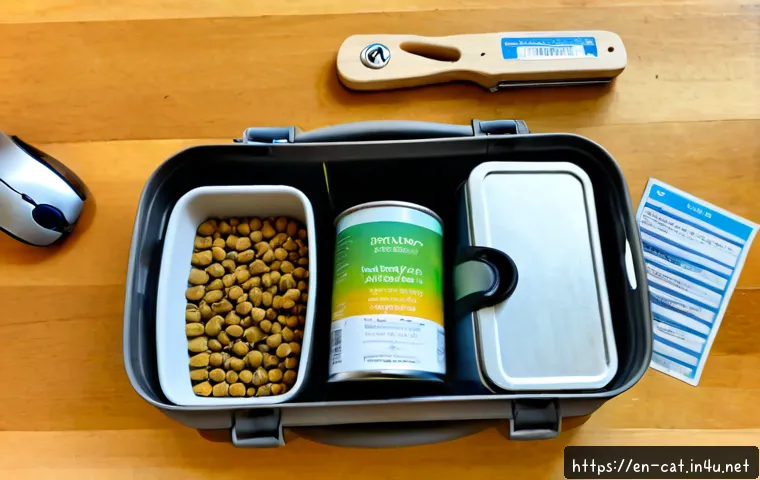
Bring your cat home to a quiet, secure room with a sturdy carrier, fresh water, appropriate food, a clean litter area, and a plan for veterinary care.
Buy the basic setup before arrival, but wait on expensive extras until you understand your cat’s habits and space needs. A simple first-week setup is often easier to manage than a house full of new products.
Carrier quality, litter preferences, food format, routine vet care, and pet insurance are worth comparing based on your household rather than a brand name.
Your cat’s age, health history, vaccination records, and previous routine may affect what they need first. If records are incomplete or you have concerns, arranging a veterinary assessment is a sensible early step.
The goal is not a perfect-looking cat room. It is a calm, safe starting point that helps your new cat settle in at their own pace.
At a Glance
- Set up one quiet, secure room before opening the carrier.
- Have a carrier, food, water, litter box, litter, and a scratching surface ready on day one.
- Plan for ongoing needs such as food, litter, routine veterinary care, parasite prevention, grooming tools, and possible emergency care.
| Decision Area | Buy Before Arrival | Can Wait | Choose Based on Your Home |
|---|---|---|---|
| Transport | A sturdy, secure carrier | Extra travel accessories | Ease of cleaning, secure closure, storage space, future veterinary travel |
| Food and Water | Appropriate food, bowls, fresh water access | Special feeding gadgets | Known diet, feeding routine, household schedule |
| Litter Setup | Litter box and litter | Premium furniture-style enclosures | Available floor space, cleaning routine, cat preference, box placement |
| Comfort and Play | Safe resting spot and scratching surface | Large toy collections or elaborate furniture | Room size, other pets, scratching habits, rental rules |
| Health Planning | Veterinary contact details and available records | Optional plans chosen without reading conditions | Health history, local availability, coverage terms, routine-care needs |
What Your Cat Needs Before Arrival
The Short Answer: A Safe Room, Food and Water, Litter Setup, Carrier, and Vet Plan
Your new cat does not need every pet product on day one. They do need a safe transition space, a reliable way to travel, access to food and fresh water, a clean litter area, and a basic health plan. These essentials address the first practical needs: settling in, eating, drinking, toileting, and getting to veterinary care when needed.
A quiet room with a door is often the easiest starting point. It limits overwhelming activity, reduces escape opportunities, and gives the cat a predictable place to rest. Keep the carrier available rather than treating it as a one-time purchase. A carrier is important for the trip home and for future veterinary visits.
The Minimum Setup for the First 24 Hours
Before arrival, prepare a room with a litter box, litter, food, water, a sleeping area, and a safe place to hide. A simple bed can work, but a calm corner or covered resting area may be just as useful. Add a scratching surface so the cat has an appropriate place to scratch from the beginning.
Place food and water away from the litter area. Keep the room calm, close doors and windows securely, and avoid repeatedly bringing the cat out of hiding. A new cat may need time before exploring, eating normally, or approaching people.
What Not to Buy Until You Know Your Cat’s Habits
Wait before committing to large cat furniture, specialty feeders, decorative litter enclosures, multiple beds, or a large selection of toys. These can be useful later, but a new cat may show preferences that make an early purchase unnecessary.
For example, one cat may use an open litter box comfortably while another household may need a different arrangement because of space, cleaning preferences, or other pets. Start with a functional setup. Upgrade after you understand how your cat uses the room and how your household manages daily care.
Build a Safe First Room Before Opening the Carrier
Choosing a Quiet Room With a Door
Choose a room that can be closed and is not constantly busy. A secure room gives the cat a controlled environment while they adjust to new sounds, scents, and people. It also makes it easier to monitor whether food, water, and litter are being used.
A room near frequent foot traffic may be less suitable during the first days. If children, visitors, or resident pets are present, a door creates a clear boundary. Let the cat decide when to approach rather than encouraging immediate interaction.
Removing Common Household Hazards
Before the carrier door opens, check the room for toxic plants, loose cords, accessible medications, chemical cleaners, and small swallowable objects. These risks are easy to overlook when a room is normally used by people rather than a curious cat.
Store cleaners and medication securely. Move small objects out of reach. Manage loose cords where possible, and confirm that doors, windows, and screens are secure. Repeat this check in any additional room the cat will later access.
Setting Up Hiding, Sleeping, Feeding, and Litter Zones
Give each activity its own space. Set up a quiet hiding or resting area, put food and water in a separate location, and place the litter box away from feeding areas. This layout is simple, but it helps create a predictable routine.
Keep the litter area clean and accessible. The number, placement, and cleanliness of litter boxes can affect whether a cat uses them consistently. Avoid putting the box where the cat may be startled by sudden noise or blocked by people or other pets.
Essential Supplies: What to Buy Now vs. Later
Before-Arrival Checklist: Carrier, Bowls, Food, Litter Box, Litter, Bed, and Scratching Surface
Use this practical list for the first day:
- Carrier: sturdy, secure, and suitable for transport and veterinary visits.
- Food: appropriate for the cat, with any known prior diet information considered.
- Water bowl: clean and easy to refill.
- Food bowl: easy to clean and placed away from the litter box.
- Litter box and litter: ready before the cat arrives.
- Resting area: a bed or another safe, comfortable sleeping spot.
- Scratching surface: an appropriate option available from the start.
Keep receipts and product details for recurring supplies. This makes it easier to compare food, litter, and replacement costs once you understand what your cat consistently uses.
Comparing Litter Box Types and Litter Materials
There is no single best litter system for every home. An open box may be straightforward to clean and easy for a cat to enter. Covered or enclosed styles may appeal to households that want a more contained setup, but the key question is whether the cat uses it consistently and whether it can be kept clean.
When comparing litter materials, focus on practical factors: cleaning routine, available storage, household sensitivities, rental limitations, and your cat’s response. A litter product that seems convenient for people is not automatically the right match if the cat avoids the box. Make changes carefully and observe use of the litter area.
Choosing a Carrier for Safety, Cleaning, and Veterinary Travel
A carrier is an essential purchase, not an optional accessory. Look for a model that feels sturdy, secure, and manageable to clean. Consider how it closes, whether it can be carried safely, and whether it will be practical for future veterinary travel.
Think beyond the ride home. A carrier may be needed for routine veterinary appointments, a move, or unexpected transport. Choose one that fits your cat appropriately and can be stored without becoming difficult to retrieve when needed. Check the manufacturer’s instructions for its intended use and care.
Nice-to-Have Purchases That Can Wait
Automatic feeders, water fountains, premium cat furniture, smart devices, specialty grooming tools, and decorative storage can be considered later. Some may add convenience, but they are not substitutes for fresh water, appropriate food, litter maintenance, a safe home, and regular observation.
Waiting can reduce wasteful spending. Once your cat settles in, you will have better information about feeding routines, litter preferences, grooming needs, scratching behavior, and the amount of space you realistically have available.
Plan the First Week: Food, Litter, Health, and Adjustment
Avoiding Sudden Food Changes When Possible
If you know what the cat was eating before arrival, that information can help you plan. Sudden changes may not be ideal, so avoid changing food without a reason when possible. If dietary needs are unclear, ask the previous caregiver, shelter, rescue, breeder, or veterinary professional for available guidance.
Food choice should reflect the cat’s known needs, if known. Age, medical history, and dietary requirements are not always available before adoption, so keep labels and records organized for a future veterinary discussion.
Helping a New Cat Explore at Its Own Pace
Some cats may come out quickly; others may hide and observe. Both situations can be part of adjustment to an unfamiliar home. Keep visits calm, speak softly, and allow the cat to approach on their own terms.
Do not rush access to the entire home. Expand the cat’s space gradually when the first room is being used comfortably and safely. Before opening another area, repeat the household-hazard and escape-prevention check.
Scheduling Routine Veterinary Care and Organizing Records
A new cat may need a veterinary assessment, especially when prior health history or vaccination records are incomplete. Keep any adoption paperwork, vaccination information, previous medical notes, food details, and contact information in one place.
When comparing veterinary clinics, consider appointment availability, how routine care is handled, emergency-care guidance, record transfer procedures, and the clinic’s communication options. Local pricing and services vary, so ask for current information directly from the provider.

Warning Signs That May Need Prompt Veterinary Advice
Because every cat’s history and condition can differ, it is better not to guess about health concerns. If you are concerned about your new cat’s condition, behavior, eating, drinking, litter use, or comfort, contact a veterinary professional for advice. This is especially important when the cat’s prior medical information is missing or uncertain.
Keep the carrier accessible in case transport is needed. Avoid relying on online product reviews or general care articles as a substitute for individualized veterinary guidance.
Adjust the Setup for Other Pets, Children, and Small Homes
Introducing a Cat to Resident Cats or Dogs Gradually
Do not assume resident pets will immediately accept a newcomer. Start with separation and allow the new cat to settle in the secure room first. A gradual approach gives everyone time to adjust to new scents and routines without forcing close contact.
Keep food, water, litter, and resting areas protected from interference by other animals. If introductions are difficult or you have concerns about safety, seek appropriate professional guidance rather than pushing the process.
Setting Boundaries for Children and Visitors
Children and visitors should understand that the new cat needs quiet time. Teach them not to chase, corner, pull from hiding spaces, or repeatedly handle the cat. A simple rule works well: allow the cat to approach first.
A closed safe room can be useful when the home is busy. It gives the cat a break and reduces the risk of a door being left open during arrivals, departures, or gatherings.
Space-Saving Options for Apartments and Rentals
Small homes can still support a practical cat setup when each item has a clear location. Choose a litter arrangement that can be cleaned consistently, keep supplies stored safely, and avoid blocking paths or exits with oversized equipment.
Renters should check any pet-related restrictions before bringing a cat home. Consider where the carrier, litter supplies, food, and scratching surface will fit without creating clutter that makes cleaning or safety checks harder.
Indoor Safety and Escape-Prevention Checks
Before allowing more access around the home, inspect doors, windows, screens, balconies where applicable, cords, plants, cleaners, medication storage, and small objects. A cat in a new environment may explore places you would not expect.
Build a habit of checking entry doors before opening them. This is particularly important during the first week, when the cat may be startled and unfamiliar with the household routine.
Selection Criteria and Cost Comparison Before You Commit
One-Time Setup Costs Versus Recurring Monthly Expenses
Separate purchases into two groups. One-time setup items commonly include a carrier, litter box, bowls, resting area, and scratching surface. Recurring ownership costs may include food, litter, routine veterinary care, parasite prevention, grooming tools, and potential emergency care.
This framework is more useful than focusing only on the adoption-day shopping cart. A low-cost starter item may require frequent replacement, while a more durable option may be easier to clean or use over time. The best choice depends on your routine, storage space, and the cat’s needs.
When a Basic Setup Is Enough and When Premium Products May Add Value
A basic setup is enough when it is safe, clean, secure, and consistently usable. You do not need premium equipment to provide a calm first room, fresh water, appropriate food, a clean litter area, and safe transport.
Higher-priced products may add value when they solve a real household problem. For example, a carrier that is easier to secure and clean may be worth considering for regular veterinary travel. A litter system may be worth comparing if it fits your cleaning routine and available space. Evaluate the function first, not the marketing label.
How to Compare Veterinary Wellness Plans and Pet Insurance Carefully
Veterinary wellness plans and pet insurance are different types of financial planning tools, and available options vary by location. Before enrolling, read the coverage terms, exclusions, waiting periods, reimbursement approach, routine-care details, and claim requirements carefully.
Consider what information is known about the cat’s medical history and what remains uncertain. Ask the provider or veterinary practice how the plan works in practice and what documents may be needed. Do not choose based only on a monthly premium or a broad advertising claim.
For current coverage details, provider eligibility, and plan conditions, check the official plan page before making a decision.
Final Bring-Home Checklist for the Day Before Arrival
- Prepare a quiet room with a door and remove common hazards.
- Set out food, fresh water, litter box, litter, resting area, and scratching surface.
- Confirm that the carrier is secure and ready for transport.
- Gather any available health, vaccination, and dietary records.
- Save veterinary contact information and review local appointment options.
- Check doors, windows, screens, medications, cleaners, cords, plants, and small objects.
Conclusion
Bringing home a cat is easier when you focus on the essentials first. A secure room, clean litter setup, food and water, a reliable carrier, and an early veterinary plan cover the most important first-day needs. Leave room for your cat’s preferences to guide later purchases. A calm, practical setup is more valuable than an expensive one filled with items your cat may not use.
Useful Information to Keep in Mind
1. Keep the carrier accessible after arrival, not hidden in storage.
2. Place food and water away from the litter area.
3. Cleanliness and placement can influence regular litter box use.
4. Keep prior food and health information whenever it is available.
5. Review ongoing costs, not only the first shopping trip.
Important Notes
Every cat has different health, behavior, dietary, and adjustment needs. Local veterinary pricing, insurance availability, adoption requirements, and rental restrictions can differ significantly. This guide is a general preparation checklist, not veterinary diagnosis or individualized medical advice. Contact a veterinary professional when you need guidance about your specific cat.
Frequently Asked Questions
Q1. How much should I budget before bringing home a cat?
A1. Plan for both a one-time setup and ongoing care. The initial setup may include a carrier, food and water bowls, appropriate food, a litter box, litter, a resting area, and a scratching surface. Ongoing costs can include food, litter, routine veterinary care, parasite prevention, grooming tools, and possible emergency care. Exact costs depend on your location, the cat’s needs, and the products or services you choose.
Q2. What are the most important supplies to buy before adopting a cat?
A2. Prioritize a sturdy carrier, appropriate food, fresh water access, bowls, a litter box, litter, a safe resting area, and a scratching surface. Also prepare a quiet room and remove hazards such as toxic plants, loose cords, medications, chemical cleaners, and small swallowable objects.
Q3. Is pet insurance worth considering for a newly adopted cat?
A3. It can be worth considering as part of a broader plan for veterinary costs, especially when health history is incomplete. Compare pet insurance carefully by reviewing coverage terms, exclusions, waiting periods, reimbursement methods, claim requirements, and whether routine care is included. Availability and conditions vary, so confirm the current details directly with the provider.